Diabetes, arthritis, skin disorders & more! Get a free consultation with Top Ayurveda doctors - +91 9266714040 | No travel, No waiting – Consult Jiva’s doctors from home via video call! | Get up to 10% OFF! On Authentic Ayurveda Products! Best Prices only on the brand store. Visit : www.store.jiva.com
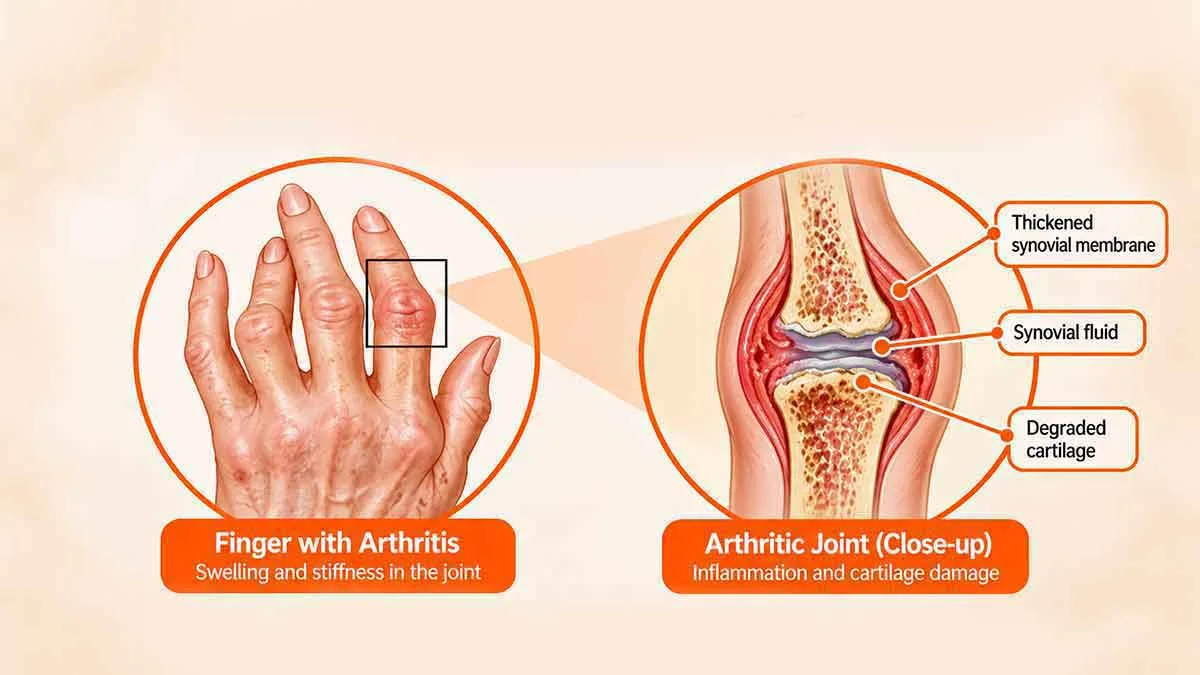
Hand and finger arthritis is a type of arthritis that affects the joints of the hands and fingers or thumbs. It damages the cartilage, a soft cushion that protects the inner layer of the joints in the hands and fingers. Cartilage damage can contribute to joint pain and stiffness. Numbness may indicate nerve involvement or another condition and should be assessed separately. If it gets worse, you might not be able to use your hands the way you used to before.
How Arthritis Affects Your Hands and Fingers
When you have arthritis in your hands and fingers, it can make your daily activities feel completely exhausting. Here is how it attacks your hands, how it feels, and how to tell what kind of arthritis you are going through:
Which Hand Joints Are Actually Affected?
Arthritis usually targets very specific spots depending on the root cause, not just making your whole hand hurt randomly
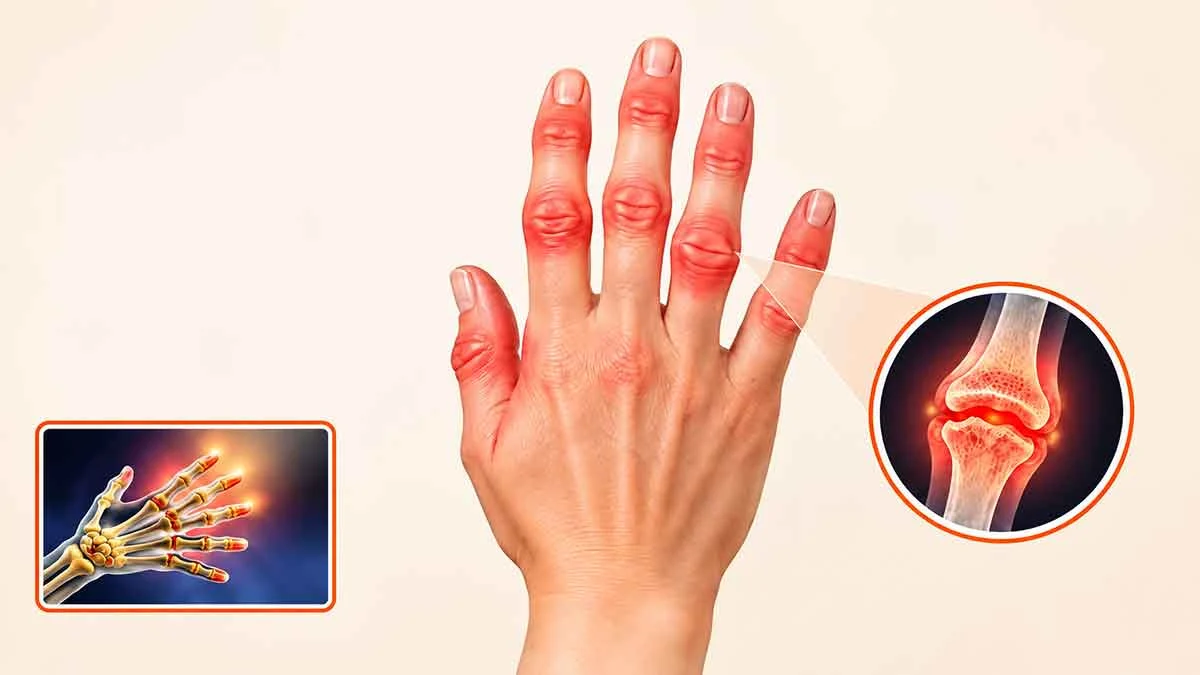
Wear and Tear (Osteoarthritis): This type attacks the base of your thumbs, the middle part of the knuckles, and the small joints close to your fingertips. With time, you may also notice hard bony bumps growing directly on these finger joints
Inflammatory (Rheumatoid Arthritis): This type usually targets the larger knuckles at the base of your fingers where they meet the hand, as well as your wrists.
The Ayurvedic View: The tiny and delicate joints in your fingers are the hiding spots for dry, cold Vata energy. From an Ayurvedic perspective, joint dryness and stiffness may be associated with aggravated Vata. These traditional concepts guide an individualised Ayurvedic assessment.
Pain, swelling, and stiffness Patterns
The way your hands hurt tells you that something serious is going on inside your body, which needs your attention:
Morning stiffness: You wake up, and your fingers feel completely stiff or frozen in a slightly bent position. It becomes hard to open your hands flat and properly.
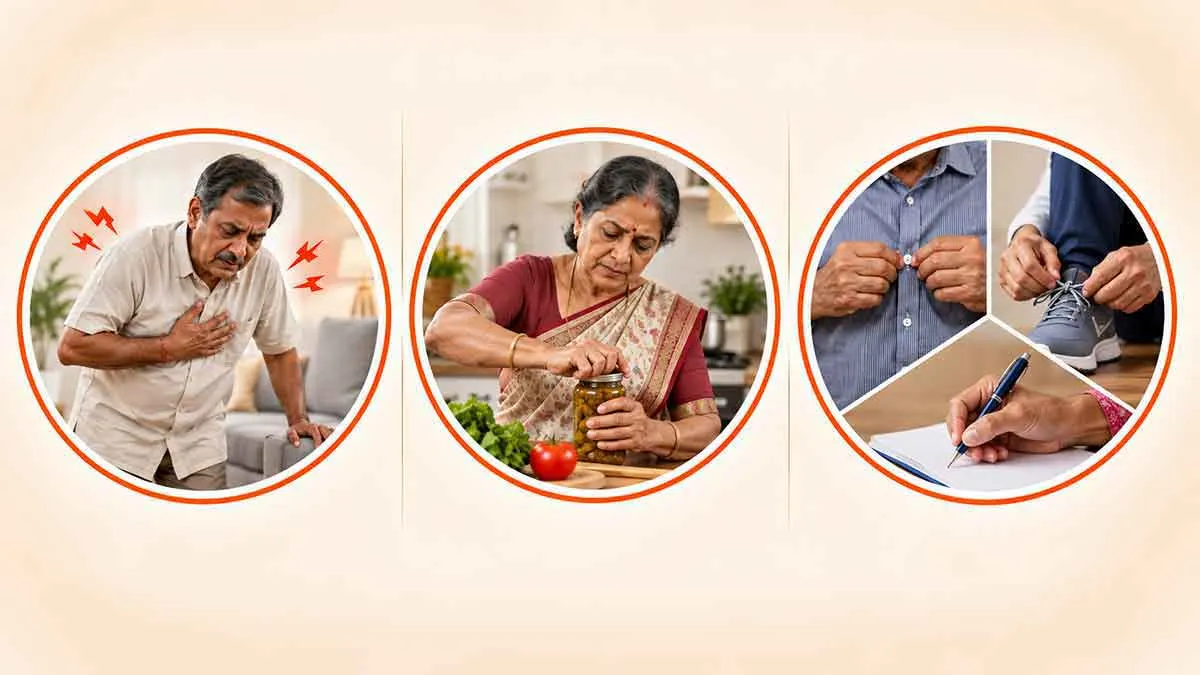
The deep pain: When you do daily activities such as typing, cooking, writing, or even when you use your phone, your hands throb with a very dull, heavy ache that takes a very long time to calm down.
Hard vs soft swelling: If the swelling on your knuckles feels hard like a rock, it is usually a bone growth from wear and tear of the joints, but if your knuckles look puffy, red, and feel like soft, warm sponges, it is active inflammation inside your body or joints.
The Ayurvedic view: Hard, dry, and cracking joints mean you have aggravated vata inside your body. An Ayurvedic practitioner may consider Ama when assessing joint symptoms. However, hot, red or swollen fingers require medical assessment to identify inflammation, infection or another cause.
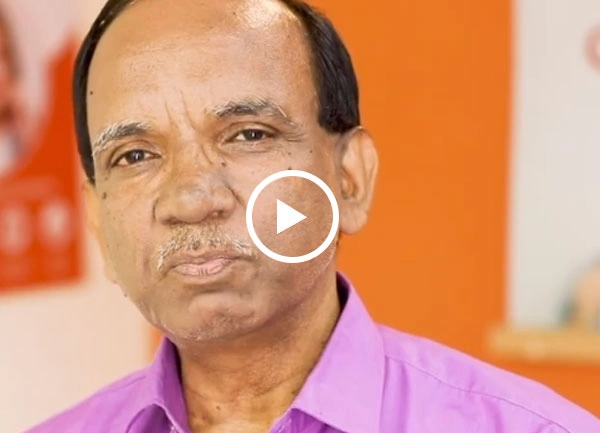
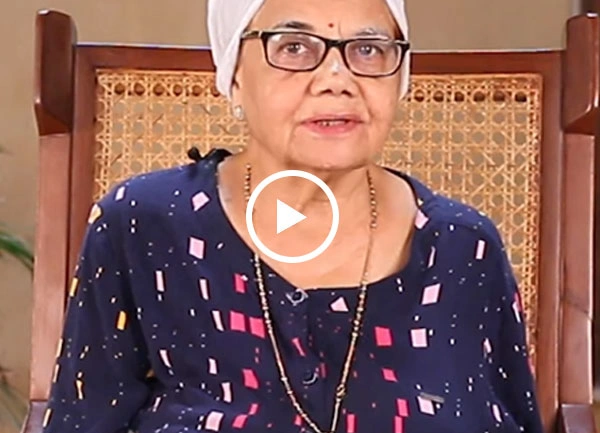
My name is Dinesh Chandra Baghel. I am 61 years old, and for the last two years I had been suffering from severe joint pain and had difficulty in walking and moving around. I consulted an orthopedic doctor who advised me to undergo immediate surgery. However, I later came to know about Jiva Ayurveda and visited their Lajpat Nagar center, where I met Dr. Sikandar. He started my Panchkarma treatment along with medicines. Within two months, I experienced significant relief and now I am able to walk and move comfortably.
I humbly request everyone to visit Jiva Ayurveda at least once.
Thank you, Jiva Ayurveda.
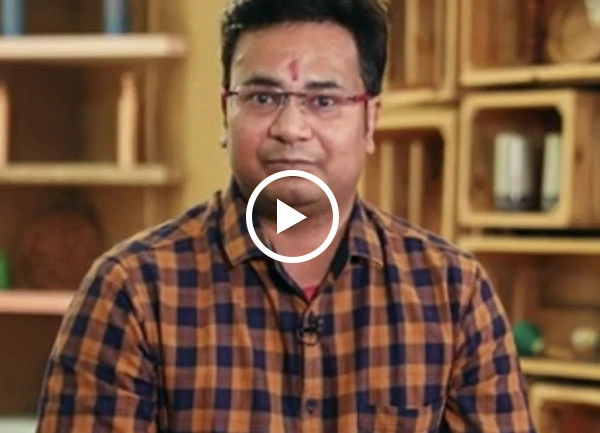
I took panchakarma sessions here and it helped in relieving my pain because of rheumatoid arthritis. I was personally attended by Parvati who is very professional, helpful and knowledgeable in her work. The experience was great and worth it.
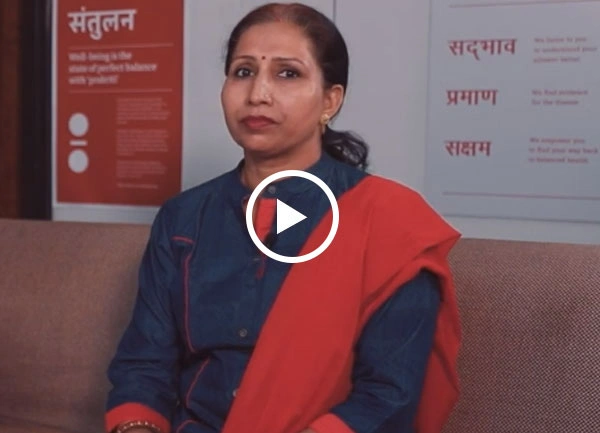
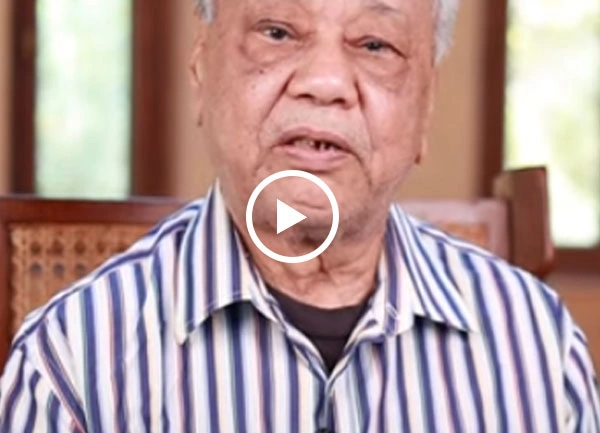
my name is suman singh
I am suffering from arthritis.
I am going to jiva ayurveda alpha clinic
Dr Advised me Panchkarma and Medicine. I am starting medicine i got relief for 2 months medicine and Panchkarma setings
Dr & Staff is very good also Panchkarma therapist.
thanks, jiva ayurveda.
Losing Grip and fine-motor difficulties
Arthritis usually physically drains the power from your hands, making daily tasks hard to do and frustrating. It happens for the following reasons:
Sudden weakness: You might find yourself unexpectedly dropping coffee cups or plates because your fingers lose their gripping power because of the weakness.
Kitchen struggles: Any movement that requires a tight, twisting grip, like opening a new jar or any box or turning a heavy doorknob, gives a sharp, pinching pain straight through the base of your thumb.
Looking at the fine details: Simple morning tasks like buttoning a shirt, tying your shoelaces, or even holding a pen to write a quick note suddenly become very slow, clumsy, and painful to do.
How to tell the difference? (OA versus inflammatory patterns)
To know what exactly is causing you the pain, whether osteoarthritis or rheumatoid arthritis, we must understand the following differences between the two because it is very easy to get confused between these two:
OA (The physical wear and tear of joints): This is a mechanical breakdown of the cushion of the joint, your cartilage, the protective layer of the joints. Your fingers might become stiff when you wake up, but they usually loosen up and start feeling better sometime. Hand osteoarthritis may affect different joints in one or both hands. Management may include joint protection, suitable exercises, pain relief and, where appropriate, splints. Ayurvedic supportive care should be personalised following assessment.
RA (the inflammatory attack): This is an aggressive immune attack, where it gets confused and attacks the joint-lining synovium. The morning stiffness is very thick, heavy, and can easily last for hours before you can use your hands. Rheumatoid arthritis often affects corresponding joints in both hands, although this symmetrical pattern is not present in every case. An Ayurvedic practitioner may assess RA using traditional concepts such as Ama and dosha imbalance. Rheumatoid arthritis also requires timely medical treatment to control inflammation and reduce the risk of permanent joint damage.
To find the root cause of the disease, a more hands-on and careful approach is necessary. Here is how Ayurveda doctors do your diagnosis:
Nadi Pariksha (Pulse Diagnosis): Ayurveda will do your Nadi Pariksha to check which dosha (Vata, Pitta & Kapha) is imbalanced in your body.
Tracking Toxins: The doctors will ask detailed questions about your digestion and food habits to check if Ama is behind your pain or not.
Physical Examination & Symptom Analysis: The doctor will do a physical examination by gently pressing the affected area and will ask you about the symptoms to understand the cause of pain.
Imaging Tests: The doctor may also check or ask you to do an X-ray, MRI, or ultrasound to know if the cartilage is damaged or not.
Joint Protection and Exercise Overview
Joint pain, swelling, and stiffness are common signs of arthritis in hands and fingers. Suitable hand exercises may help improve flexibility and range of motion.
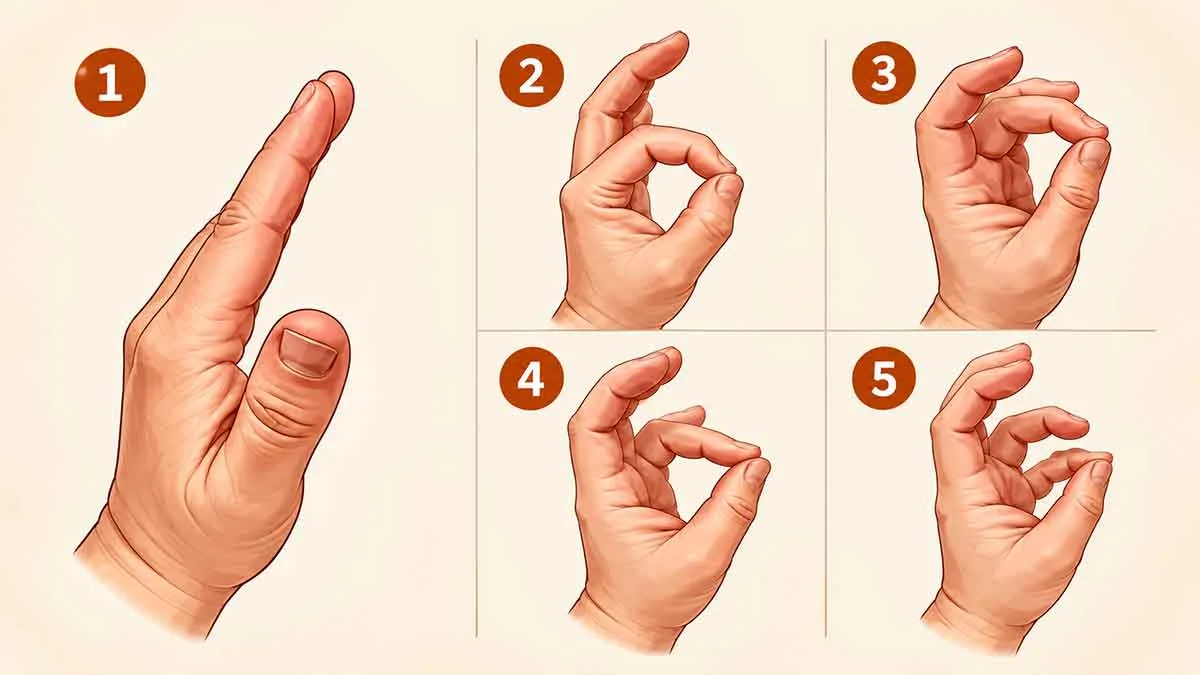
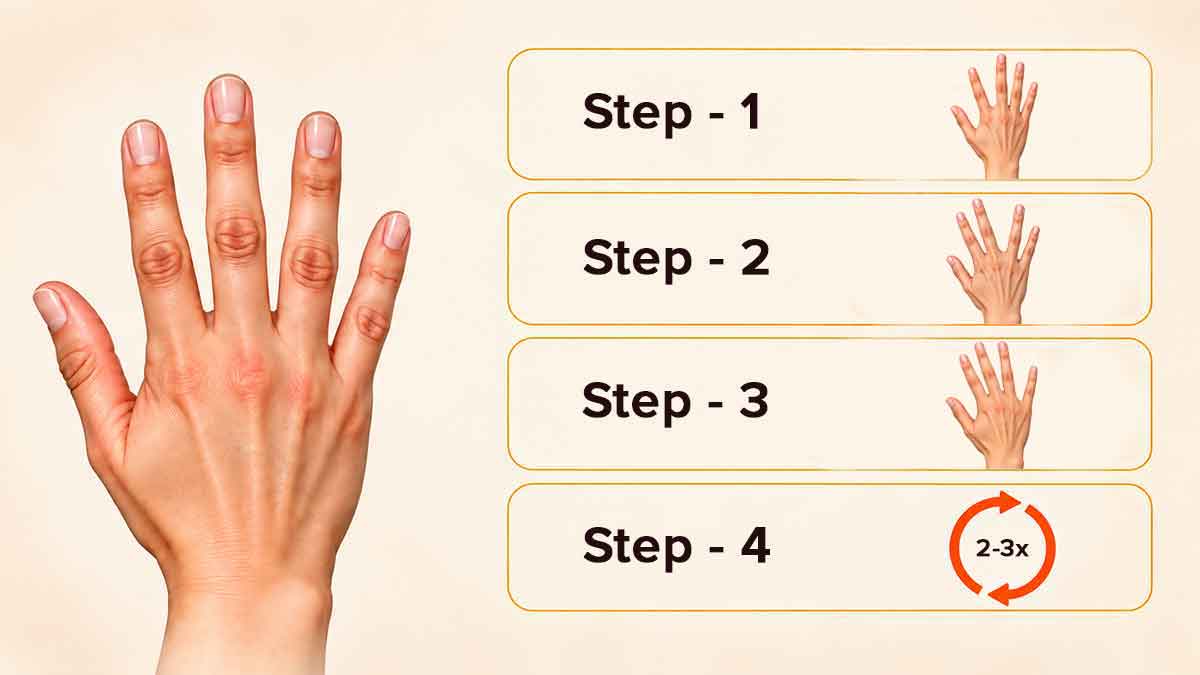
Fingertip Touch
Keep your hands and fingers straight and close to each other. Then start touching each fingertip to the thumb by forming a circle. Do this for at least 5-6 seconds for each finger and do it 5-6 times daily.
Fingerwalk
Start by resting your hand straight on a flat surface such as a tabletop and keep your hand facing down. Keep your thumb away from your fingers. Move your index finger towards your thumb, then move the middle, ring and little fingers of the same hand towards your thumb, one at a time. Repeat gently with the other hand, stopping if the movement causes pain.. Repeat this 5-6 times for each hand.
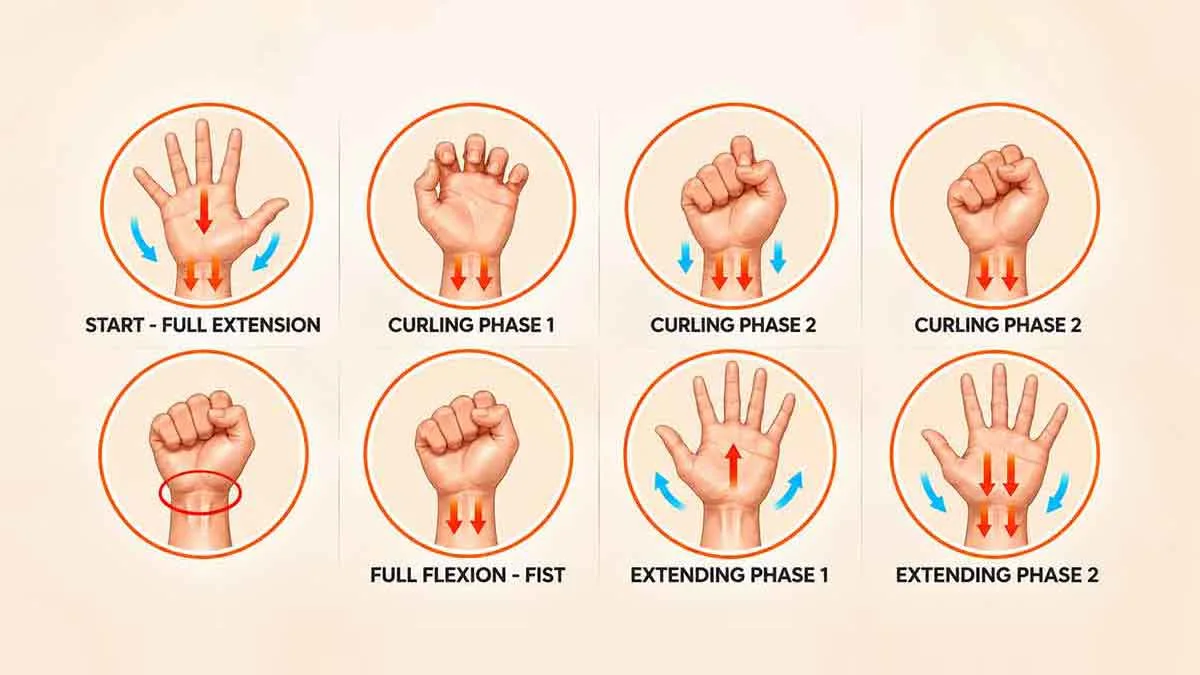
Fist Stretch
Rest your hand and forearm on the table or on a flat surface. Start by holding your hand and fingers straight and then close them together, as you do for a handshake. Then make a fist in the same hand position and don't squeeze your fist. Do it slowly and gently, and repeat it for 10-15 times.
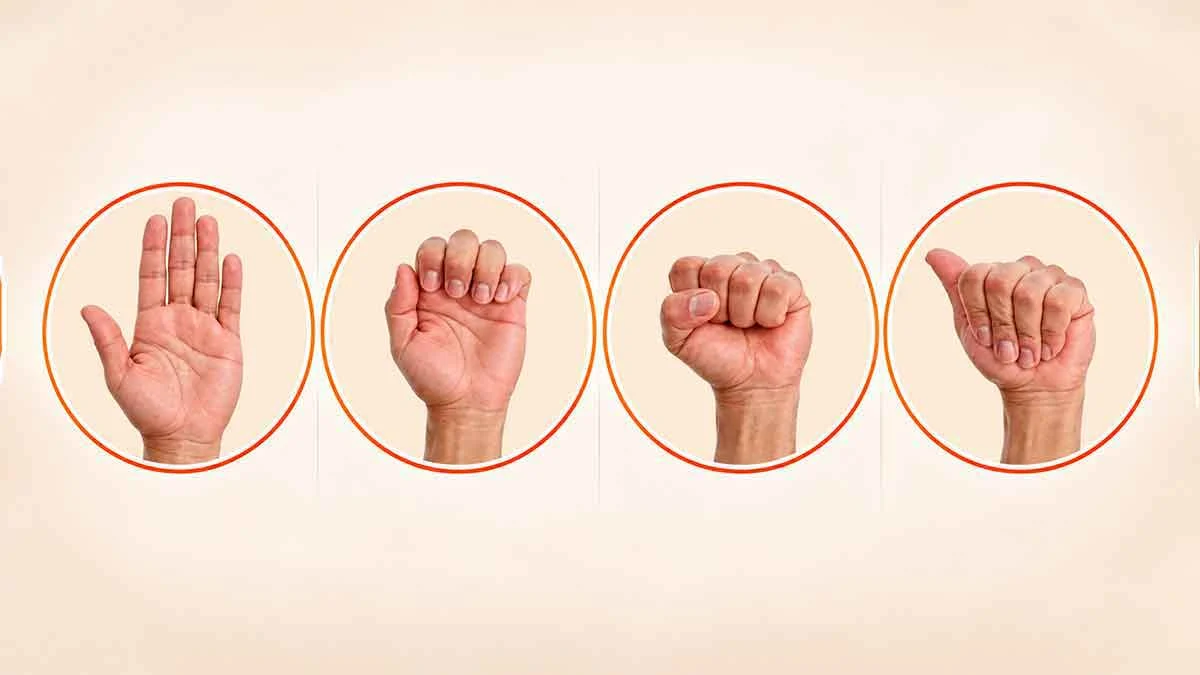
Knuckle Bend
Hold your hand and fingers straight and close to each other, then bend the middle joints of your fingers and keep your knuckles straight. Slowly return your hand to the normal position. Repeat this five times with each hand.
Things To Avoid When You Have Hand & Finger Arthritis
There are certain things that one must avoid because they can trigger hand joint pain and can worsen the condition even more:
Gripping things with fingertips: Avoid holding heavy objects with your fingertips because it can put pressure on the finger joints; use palms or larger joints instead.
Putting pressure on small joints: Use your shoulders instead of fingers to carry heavy shopping bags. When you wrap your fingers around the handle, the joints of your fingers get affected, making them weak.
Avoid inflammatory foods: Avoid added sugars, processed foods, red meat, and excess salt; they can increase body inflammation, which can cause swelling, puffiness, or redness.
Stop consuming tobacco products: Avoid smoking, which is associated with an increased risk and greater severity of rheumatoid arthritis. Discuss alcohol intake with your doctor, particularly if you take medicines that affect the liver.
Avoid processed and refined food: Do not eat junk or refined food; it contains harmful chemicals or substances that are not good for our body; instead, eat only home-cooked food.
When To Seek Medical Attention?
While arthritis develops over time, it is necessary to watch out for these warning signs mentioned below:
If you feel a dull, burning, or sharp pain in your hands and fingers while grabbing an object.
If you see visible swelling and warmth on the joints.
If your fingers make crunching, grinding, or popping sounds while moving or bending.
If you have bone spurs near your finger joints.
If you feel troubled when moving your fingers.
If your fingers feel stiff for hours in the morning.
Arrange a medical appointment for persistent pain, swelling, reduced movement or prolonged morning stiffness. Seek urgent assessment for sudden severe joint pain with swelling, particularly if you also have fever or feel unwell.
If you have arthritis in your fingers, you should avoid foods that promote inflammation, such as added sugars, fried foods, processed and red meats, and excess omega-6 fatty acids.
Treatment for arthritis in the hands and fingers includes medications, therapy, and lifestyle changes to reduce pain and improve movement.
Finger arthritis does not go away completely, as there is no permanent cure for the condition, but symptoms like pain and swelling can improve or flare up over time.
Yes, massage can help ease arthritis pain and stiffness by relaxing tight muscles around the joints and improving blood flow.
You can slow down arthritis and protect your joints by managing your weight, staying active, and eating a healthy diet.
Your arthritis may feel worse due to a temporary flare-up triggered by everyday factors, or because of natural changes in your joints over time.
Yes, you can live with severe arthritis, though it changes your daily routine and requires careful medical management. While severe forms like advanced osteoarthritis or rheumatoid arthritis are chronic and not curable, they are manageable through treatments that reduce pain and preserve mobility.
Drinking enough water helps manage and prevent arthritis symptoms by keeping joints lubricated and reducing inflammation.
Treatment for arthritis in the hands and fingers includes medications, therapy, and lifestyle changes to reduce pain and improve movement.
Find Jiva Ayurveda Clinics for Arthritis Treatment Near You

 Published on 12 Sep, 2026
 Updated on 13 Oct, 2026