
Successful Treatments
Clinics
Doctors
Living With Arthritis: Work, Stairs and Flare Management
 Published on 19 Sep, 2026
 Updated on 08 Oct, 2026

Explore Living With Arthritis
- Home / Diseases & Ayurveda / Joint & Muscle Pain / Ayurvedic Treatment For Arthritis / Living With Arthritis: Work, Stairs and Flare Management
Living with arthritis is rarely about dealing with one single problem. It is like a full-time job that requires constant negotiation with your own body. Every morning you wake up, you check your joints to guess what kind of day you're going to have. The real struggle does not happen in the doctor's clinic; it's in daily life. Whether it is about going to the office, climbing a few stairs, or doing daily chores, it all becomes a complicated task. You do not need medical advice to make your days easier. You just need simple, realistic ways to move through a world that was not built for stiff, aching joints.
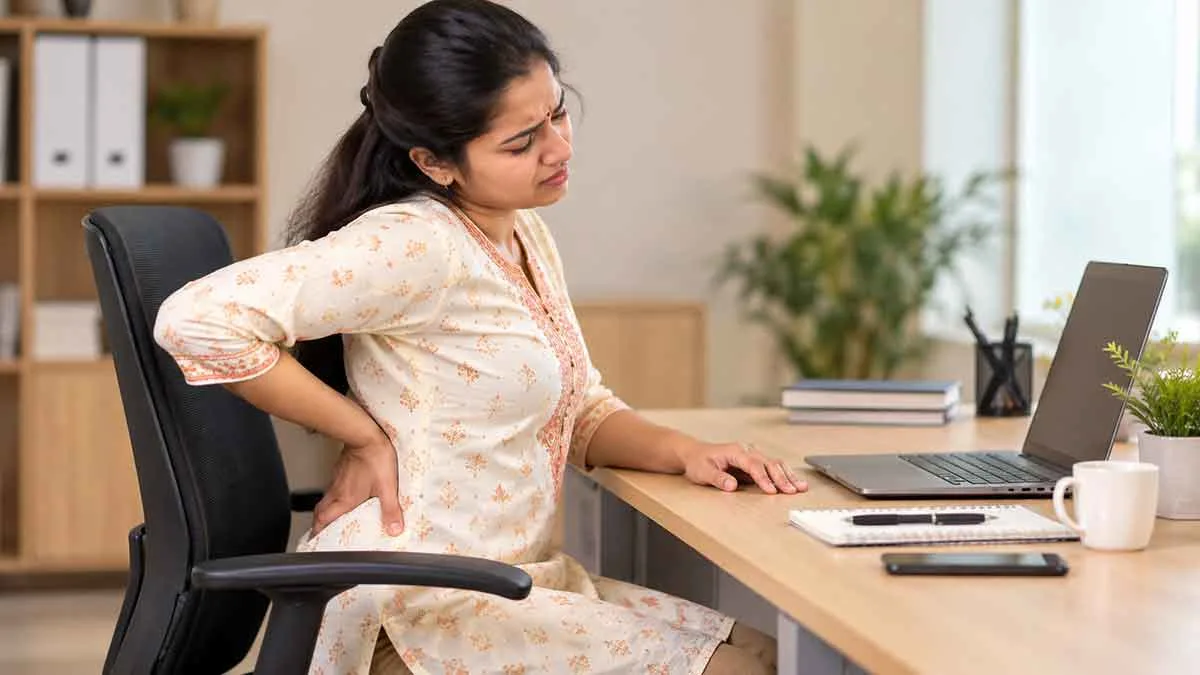
Workstation And Prolonged Sitting
We live in a world that requires us to sit for hours, but for a person who has an arthritic joint, prolonged sitting is the worst enemy. It makes your joint cold, dry, and sticky. By the time you finally try to stand up, your knees and hips feel like rusty hinges that have been glued shut.
To fix this, you have to change how you interact with your workstation. First, fix your chair. If your chair is too low, your knees end up higher than your hips, which traps you in a deep, compressed squat for hours.
When you finally try to stand, it takes a massive, grinding effort. Adjust your chair so your hips are always slightly higher than your knees, and your feet rest completely flat on the floor. Also, break the cycle of stillness; take a break every thirty minutes. You do not have to do a full workout when it goes off: simply stand up, stretch your arms, pump your ankles, and sit back down. Even shifting your weight side to side can also help pump fresh fluid into the joint space. Your goal is simply never to let your joints freeze into one position for too long.
Stairs, Household Tasks, And Floor Sitting
Daily chores and moving can quickly drain your energy. There are certain tasks that we do in our daily gets affected if you are dealing with arthritis. But by making simple changes, you can easily manage it:
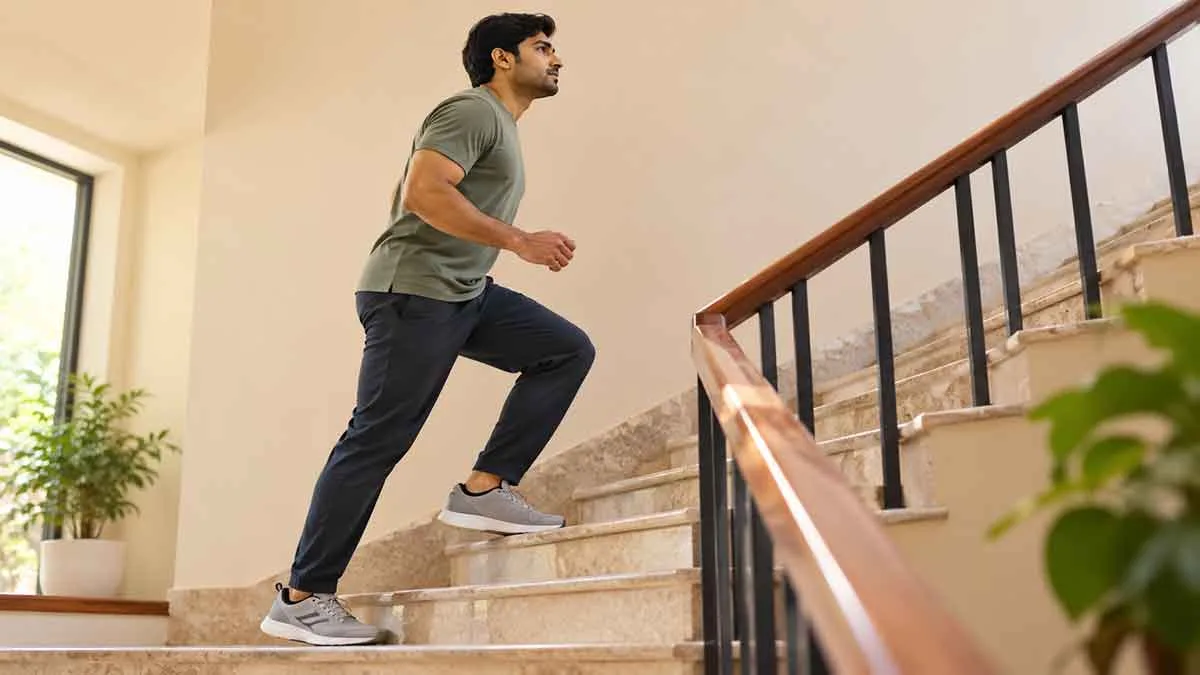
Climbing Stairs
Stairs can be scary for people with arthritis pain, but learning how to climb them without causing much pressure on the knees can be helpful. When going up, step up first with your stronger leg; when going down, step down first with your painful leg, letting your strong leg behind, and slowly lower your weight on the knees. Always use the handrail and take only one step at a time. Do not rush yourself. If you have severe pain in your leg, then avoid using stairs completely.
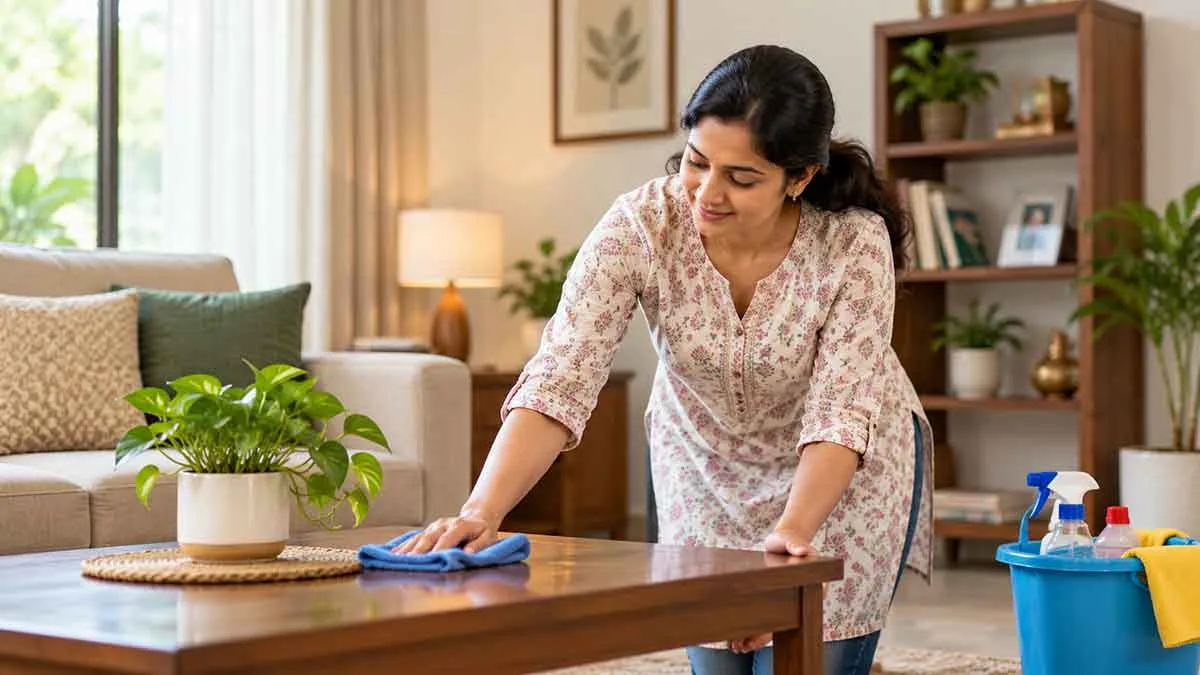
Household Tasks
You don't have to clean the house in one exhausting sweep. Instead, change how you do chores by bringing the work to you. Pull a tall stool up to the kitchen counter to sit while chopping vegetables or washing dishes. Use lightweight mops and long-handled dustpans so you never have to bend over. Break large chores into smaller daily tasks to save your energy.

Floor Sitting
Sitting cross-legged on the floor forces your knees and hips into very tight, painful angles. Getting back up is even worse than it. Forcing your sensitive joints to lift your entire body weight from a position like this can stress them a lot. Unless necessary, avoid sitting on the floor. Instead, choose firm, slightly higher chairs that support your back and make standing back up effortlessly and completely pain-free.
Pacing And Energy Conservation
When you have arthritis, a good day is actually a hidden trap. When you wake up and your joints don't feel stiff and are absolutely fine, you start doing everything that you weren't able to do. You might clean the whole house, lift heavy weights at the gym, or cook a bunch of meals. But the next morning, you wake up with stiff and swollen joints. This happens because you spent all of your joint energy all at once.
To stop this, you need to learn the art of pacing. Think of your daily energy as a phone battery; you cannot afford to drain it all to zero in one go. Pacing means sitting down and resting before your joints start hurting again, not after. If standing for twenty minutes straight makes your knees ache, you must force yourself to sit down at the fifteen-minute mark. The secret is to break the big chores into tiny tasks so that your joints don't get stressed and you don't have to use all of your energy at once.
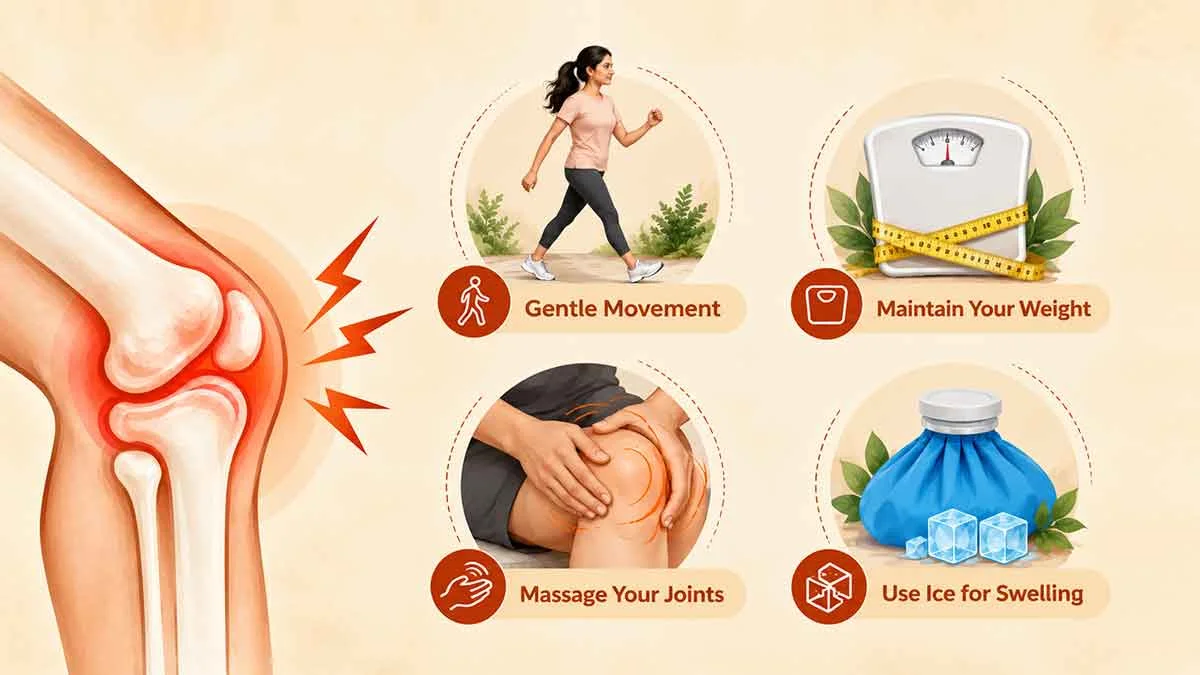
How To Protect Your Joints
Joint protection simply means changing how you carry and move things. By using your strong muscles, you can easily save your weak muscles from wear and tear:
- Gentle Movement: The more you move, your joints will stay active and away from stiffness. Movement doesn't only mean that you have to go to the gym, stretch, or jog. Keep changing your positions while reading, working, or watching TV; it will also help with fluid circulation between your joint spaces.
- Maintain Your Weight: Excess weight stresses your knee joints a lot. Keep your weight maintained and healthy by focusing on your diet and doing daily exercise. A healthy body weight is not only important for your knee joints but for your overall health.
- Massage Your Joints: If your joints have become rough, dry, and brittle due to wear and tear, then massage them daily with warm oil. It will help lubricate them and improve circulation of fluid between the joint spaces.
- Use Ice for Swelling: If your joints feel hot, red, or swollen, then use an ice pack over them. Do it for fifteen minutes or until the joints feel normal. It will help cool down the heat caused by the inflammation inside the joint.
Flare-Day Plan
A flare is a temporary worsening or spike that makes your joints stiff, swollen, or fatigued. A sudden change in the weather, a stressful week at work, or a sudden trip can cause sudden pain or swelling in the joints. When a flare hits, it is easy to panic and feel like you have ruined your progress. You need to have a flare day written down because you can't predict them, and it is better to take precautions beforehand. Firstly, if you don't feel right, then cancel all your unnecessary plans and take full rest. Use an ice pack if you have swelling or redness in your joints. If your joints feel brittle, then massage them with warm oil. Do gentle exercise; don't just sit still all day at the desk; take shorter breaks every 30 minutes to just stretch or change your position. If the flare-up is extreme and can't be managed, then ask for help and seek medical help.
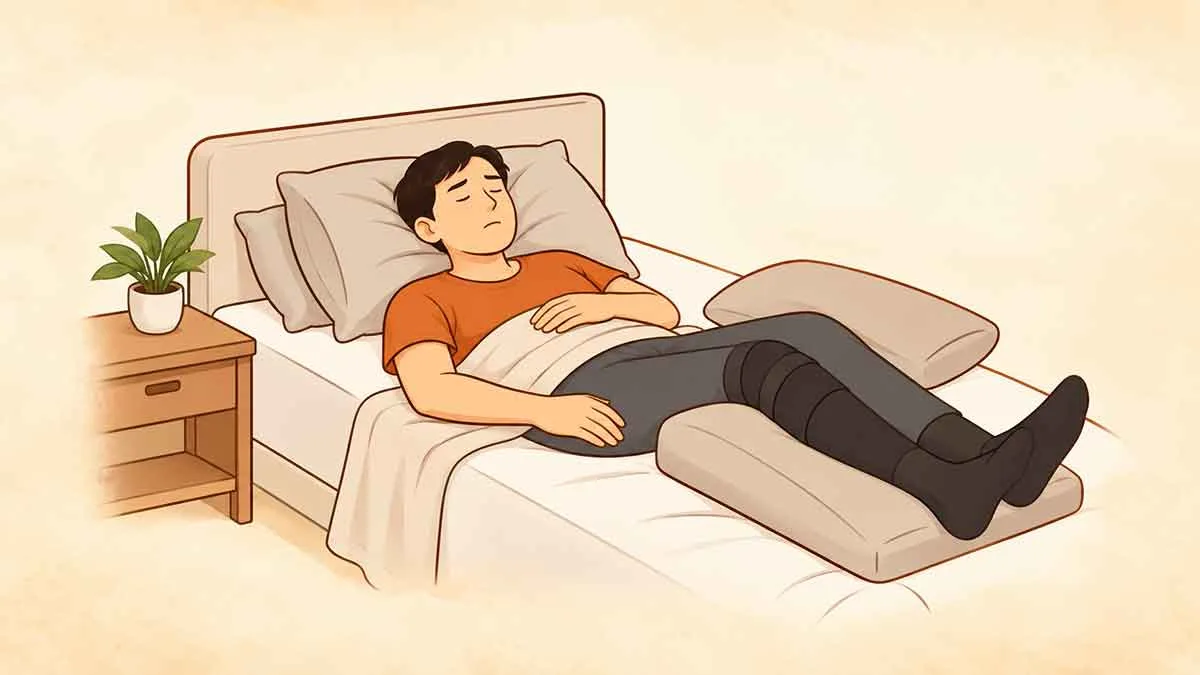
How Sleep Can Help In Recovery
Good sleep is very important for your overall health. People who are dealing with arthritis often experience sleep disturbances because of joint pain, stiffness, and swelling. In turn, poor sleep can increase pain, fatigue, and weakness. So focusing on the sleep environment to improve its quality is an important part of arthritis management and overall well-being.
- Choose a medium-firm mattress that supports your spine and back evenly and a good pillow for adjusting painful joints.
- Sleep in a place where there is no noise and with less exposure to light.
- Ensure your bed height is easy to get in and out of. So that you don't have to struggle much at night when going to the washroom.
- Keep your room temperature in control; very high or low temperatures can make your joints stiffer.
- Keep your routine fixed; sleep and wake at the same time daily.
When Function Loss Needs Medical Review
As you live with arthritis, you will be very familiar with your own baseline of pain. You will learn the difference between the dull, morning stiffness that fades with a hot shower, and tired, achy muscles that happen after a long walk. However, you must also know exactly when to stop trying to manage it yourself and seek professional medical help.
You should immediately have your joints reviewed by a doctor if you experience sudden loss of function. If your knees suddenly lock up and refuse to bend or straighten. If a joint suddenly balloons with a massive, hot swelling overnight without any clear reason, it requires immediate attention to rule out an infection or a serious tear. If the pain completely changes its personality, shifting from a dull, predictable ache to sharp, electric pain that causes your leg to suddenly give out beneath you, do not try to push through it.
References
Living With Arthritis: Health Information Basics for You and Your Family | NIAMS
FAQs
Standing desks are great, but standing all day is just as hard on your joints as sitting all day. The real secret is constantly changing your position. Try to switch between sitting and standing every thirty minutes to keep your joints happy and lubricated.
It completely depends on how your body feels. Use a warm heating pad in the morning to melt away deep stiffness and improve blood flow. If your joints feel hot, swollen, or angry after a long day, use a soft ice pack to soothe the pain.
If it does not hurt, popping is totally normal. It is usually just harmless air bubbles escaping the joint space. However, if that cracking sound comes with sharp pain or sudden swelling, you should have a doctor take a look just to be safe.
Yes! Walking on a flat, even surface is actually one of the best ways to keep your joint fluid moving. Just wear supportive shoes and remember the rule of pacing: always stop walking before your knees start to ache, never after.
Absolutely. The slippery fluid that cushions your joints and prevents them from grinding is made mostly of water. Staying hydrated throughout the entire day helps keep that fluid thick and healthy, allowing your bones to glide smoothly.
Never. A good stretch should only feel like a warm, gentle pull in your muscles. If you ever feel a sharp, biting pain deep inside your joint or bone, you are pushing way too hard. Listen to your body and stop immediately.
Yes. Heavy, highly processed foods and excess sugar can cause inflammation, making your joints feel swollen and tight. Focusing on warm, freshly cooked meals with gentle, soothing spices like ginger and turmeric can naturally calm your body and reduce daily swelling.
Consult Experienced Ayurveda Doctors for Living With Arthritis: Work, Stairs and Flare Management





















Our Happy Patients
-
 Sunita Malik - Knee Pain
 -
 Abhishek Mal - Diabetes
 -
 Vidit Aggarwal - Psoriasis
 -
 Shanti - Sleeping Disorder
 -
 Ranjana - Arthritis
 -
 Jyoti - Migraine
 -
 Renu Lamba - Diabetes
 -
 Kamla Singh - Bulging Disc
 -
 Rajesh Kumar - Psoriasis
 -
 Dhruv Dutta - Diabetes
 -
 Atharva - Respiratory Disease
 -
 Amey - Skin Problem
 -
 Asha - Joint Problem
 -
 Sanjeeta - Joint Pain
 -
 A B Mukherjee - Acidity
 -
 Deepak Sharma - Lower Back Pain
 -
 Vyjayanti - Pcod
 -
 Sunil Singh - Thyroid
 -
 Sarla Gupta - Post Surgery Challenges
 -
 Syed Masood Ahmed - Osteoarthritis & Bp
Diagnostic Marker
Blogs
- 3 Benefits of Golden Milk in Arthritis
- Jiva?s Ayunique Treatment for Osteoarthritis
- Early Diagnosis - The Key to Treating Arthritis
- Natural Options That You Must Try For Arthritis
- Panchakarma to Get Relief from Arthritis Pain
- How to Control Osteoarthritis in Old Age
- Relieving Osteoarthritis with the power of Ayurveda
- Simple home remedies for Rheumatoid Arthritis (Ama vata)
- Uses of Ginger to Get Relief from Arthritis
- Benefits of Turmeric in Controlling Arthritis
Home Remedies
Related Disease
- Ayurvedic Treatment for Ankylosing Spondylitis
- Ayurvedic Treatment For Cervical Spondylosis
- Ayurvedic Treatment For Arthritis
- Ayurvedic Treatment for Osteoarthritis
- Ayurvedic treatment for Gout
- Ayurvedic Treatment for Sciatica
- Ayurvedic Treatment for Rheumatoid Arthritis
- Ayurvedic Treatment for Frozen Shoulder
- Ayurvedic Treatment for Deep Vein Thrombosis (DVT)
- Ayurvedic Treatment for Achilles Tendon Disorders
- Ayurvedic Treatment for Rickets
- Ayurvedic Treatment for Ganglion Cyst
- Ayurvedic Treatment for Osteoporosis
- Get Ayurvedic Treatment for AVN Avascular Necrosis
- Get Ayurvedic Treatment For Osteomyelitis
- Cerebral Palsy Treatment in Ayurveda
Latest Blogs
- बच्चों में weekend sleep timing बदलना Monday mood को कैसे प्रभावित कर सकता है
- Is Fasted Intense Exercise a Good Idea for Every Woman
- Health Tracking Every Hour: Helpful Awareness Or Another Source Of Stress?
- फोन देखते हुए चलना सिर्फ accident risk नहीं—posture और breathing पर क्या असर पड़ता है
- Bloating Before a Period: Why Lifestyle Can Change How It Feels
- बहुत जल्दी खाना खाने से पेट भरने का signal देर से क्यों मिलता है
- ‘No Added Sugar’ Doesn’t Automatically Mean Low Sugar—Here’s Why
- Online meetings के बीच zero movement दिन के अंत में stiffness क्यों बढ़ाता है?
- Screen brightness और late-night work sleep readiness को कैसे बदलते हैं
- Warm Vs Cold Foods: How To Discuss The Ayurvedic Idea Without Turning It Into A Myth
- Noise-cancelling headphones घंटों पहनना mental fatigue को कम करता है या बढ़ा सकता है?
- Sugar-Free Biscuits: Better Choice Or A Health Halo?
- Why a Long Afternoon Nap Can Make Bedtime Surprisingly Difficult
- Scrolling While Eating: The Habit That Makes Meals Harder to Remember
- The Forward-Head Posture You Don’t Notice Until Evening
- Are Seed Mixes Useful—Or Just Easy To Overeat?
- Laptop on the Sofa: Why Neck and Hip Stiffness Show Up Later
- Why Your Eyes Feel Tired Even When Screen Brightness Seems Fine
- Is A Standing Desk A Complete Fix For Too Much Sitting?
- Why a Damp Bathroom Can Affect More Than Just the Walls
Ayurvedic Doctor In Top Cities
- Ayurvedic Doctors in Bangalore
- Ayurvedic Doctors in Pune
- Ayurvedic Doctors in Delhi
- Ayurvedic Doctors in Hyderabad
- Ayurvedic Doctors in Indore
- Ayurvedic Doctors in Mumbai
- Ayurvedic Doctors in Lucknow
- Ayurvedic Doctors in Kolkata
- Ayurvedic Doctors in Patna
- Ayurvedic Doctors in Vadodara
- Ayurvedic Doctors in Ahmedabad
- Ayurvedic Doctors in Chandigarh
- Ayurvedic Doctors in Gurugaon
- Ayurvedic Doctors in Jaipur
- Ayurvedic Doctors in Kanpur
- Ayurvedic Doctors in Noida
- Ayurvedic Doctors in Ranchi
- Ayurvedic Doctors in Bhopal
- Ayurvedic Doctors in Ludhiana
- Ayurvedic Doctors in Dehradun