Diabetes, arthritis, skin disorders & more! Get a free consultation with Top Ayurveda doctors - +91 9266714040 | No travel, No waiting – Consult Jiva’s doctors from home via video call! | Get up to 10% OFF! On Authentic Ayurveda Products! Best Prices only on the brand store. Visit : www.store.jiva.com
This guide is for those who, when they look at a staircase, start feeling anxious. You start avoiding going up or down the stairs, or you have to stop and take a deep breath before stepping off a simple sidewalk. You already have an idea that your joints have normal wear and tear, called Sandhigata Vata in Ayurveda. Or maybe you are just starting to feel a rough, grinding feeling in your knees for the very first time. This guide is for anyone who wants a safe, natural way to get their knees' strength back. If your knees feel stiff, weak, or have popping and cracking sounds, the simple habits and Ayurvedic tips below will help you move comfortably again.
Why Does The Problem Occur?
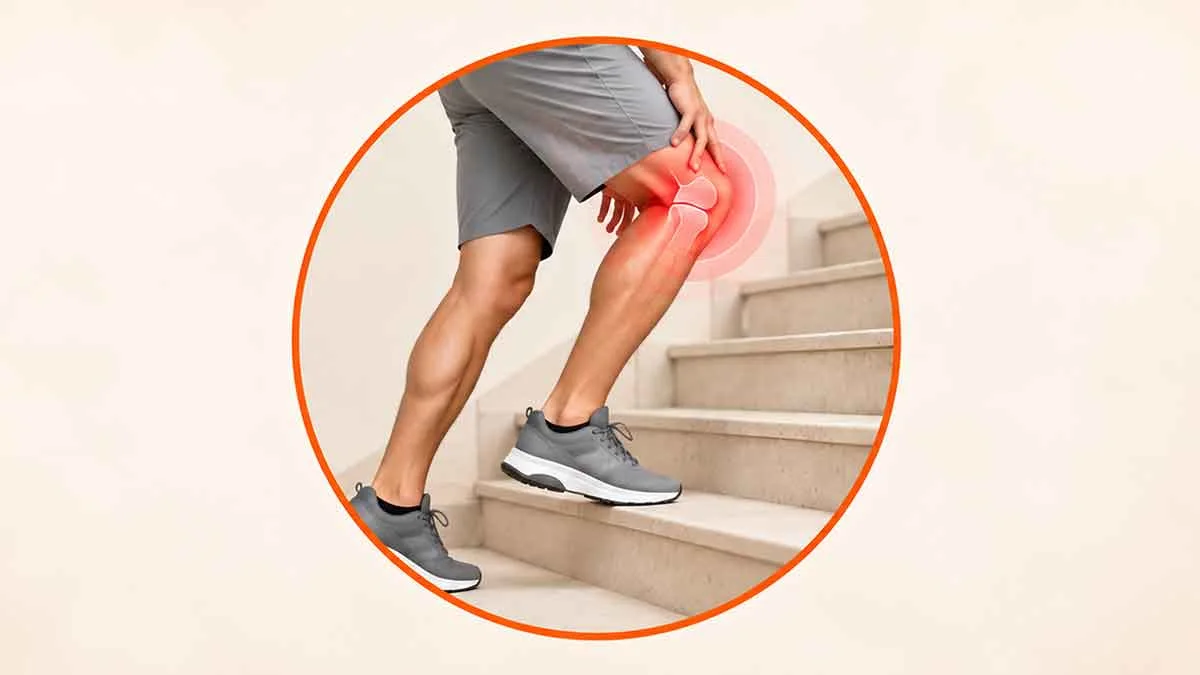
Ayurveda explains this problem in a very simple way. Our knees need their natural, oily fluid to bend smoothly. But sometimes, the dry and cold energy in your body, called Vata, gets too high. From an Ayurvedic perspective, joint dryness and stiffness may be associated with aggravated Vata. This traditional explanation does not mean that the knee’s synovial fluid has dried up. Without that oily cushion, your joint becomes dry, rough, and starts making clicking or popping sounds. Stairs increase the demands on your knees and surrounding muscles. Pain may relate to osteoarthritis, kneecap-related problems, muscle weakness or an injury; it does not necessarily mean that bones are rubbing together.
Another factor that leads to knee pain is weak digestion fire, Agni. When it's weak, the food is not digested properly, and hence a toxic, sticky waste is made, known as Ama, in the body. In Ayurvedic thought, impaired digestion and Ama may be considered when assessing joint discomfort. These are traditional concepts rather than established physical deposits in the knee.
Immediate Practical Modifications
You do not have to wait for weeks to feel better. If you need to use the stairs, just change the way you step and take the pressure off your knees instantly.
Up & down properly: When you go upstairs, always step up with your strong, healthy leg first to pull your weight up. When going downstairs, step down with your painful leg first, so your strong leg can slowly lower you from behind.
Take one step at a time: Do not walk up the stairs normally. Step up, bring your other foot to the same step, and stop for a second. It takes a bit of time, but it helps in reduce the stress on your knees.
Hold the handrails tightly: Do not just rest your hand on the railing; grip it tightly and use your arm strength to help lift your body and let it down gently.
Step sideways: If the pain is sharp, turn your body towards your shoulders facing the stairs. If using stairs causes sharp pain, stop and reassess rather than changing direction to push through it. A physiotherapist can advise on a stair technique suited to your symptoms and balance.
My name is Dinesh Chandra Baghel. I am 61 years old, and for the last two years I had been suffering from severe joint pain and had difficulty in walking and moving around. I consulted an orthopedic doctor who advised me to undergo immediate surgery. However, I later came to know about Jiva Ayurveda and visited their Lajpat Nagar center, where I met Dr. Sikandar. He started my Panchkarma treatment along with medicines. Within two months, I experienced significant relief and now I am able to walk and move comfortably.
I humbly request everyone to visit Jiva Ayurveda at least once.
Thank you, Jiva Ayurveda.
I took panchakarma sessions here and it helped in relieving my pain because of rheumatoid arthritis. I was personally attended by Parvati who is very professional, helpful and knowledgeable in her work. The experience was great and worth it.
my name is suman singh
I am suffering from arthritis.
I am going to jiva ayurveda alpha clinic
Dr Advised me Panchkarma and Medicine. I am starting medicine i got relief for 2 months medicine and Panchkarma setings
Dr & Staff is very good also Panchkarma therapist.
thanks, jiva ayurveda.
Patient Success Stories
Safe Ayurvedic Approach For Building Knee Strength
To naturally climb stairs, you need to give proper nourishment to your joints with a safe routine and a proper guide. This includes the following steps:
Dosha Balancing Diet
Ayurveda puts a lot of stress on balancing your doshas, as they are the main factors that contribute to imbalance in the body and joints. Ayurveda suggests going for warm, nourishing, and home-cooked food to balance body energies in the body.
Detox Therapies- Panchakarma
Panchakarma involves therapies such as Virechana, Vaman, and Basti for deep detoxification and balancing the doshas of the body. It helps in removing Ama, a sticky toxic waste accumulated in the joint spaces due to weak digestion. A qualified Ayurveda practitioner may consider Panchakarma as part of an individualised care plan after assessing your condition, general health and suitability for the proposed therapies.
Improving Digestive Fire
In Ayurveda, a strong digestive fire plays a very important role in body balance and overall health. If your digestive fire is weak, then the food you eat will not be processed properly, which will result in the accumulation of Ama, a sticky toxic waste, in the body. So, Ayurveda offers certain techniques such as therapies and herbal treatments for fixing digestion.
Herbal Remedies
An Ayurveda practitioner may recommend an individualised herbal formulation after reviewing your diagnosis, current medicines, and other health conditions. Benefits and risks vary between preparations. These herbs also help reduce inflammation and joint discomfort, which makes it hard to climb stairs.
Abhyanga Massage Therapy
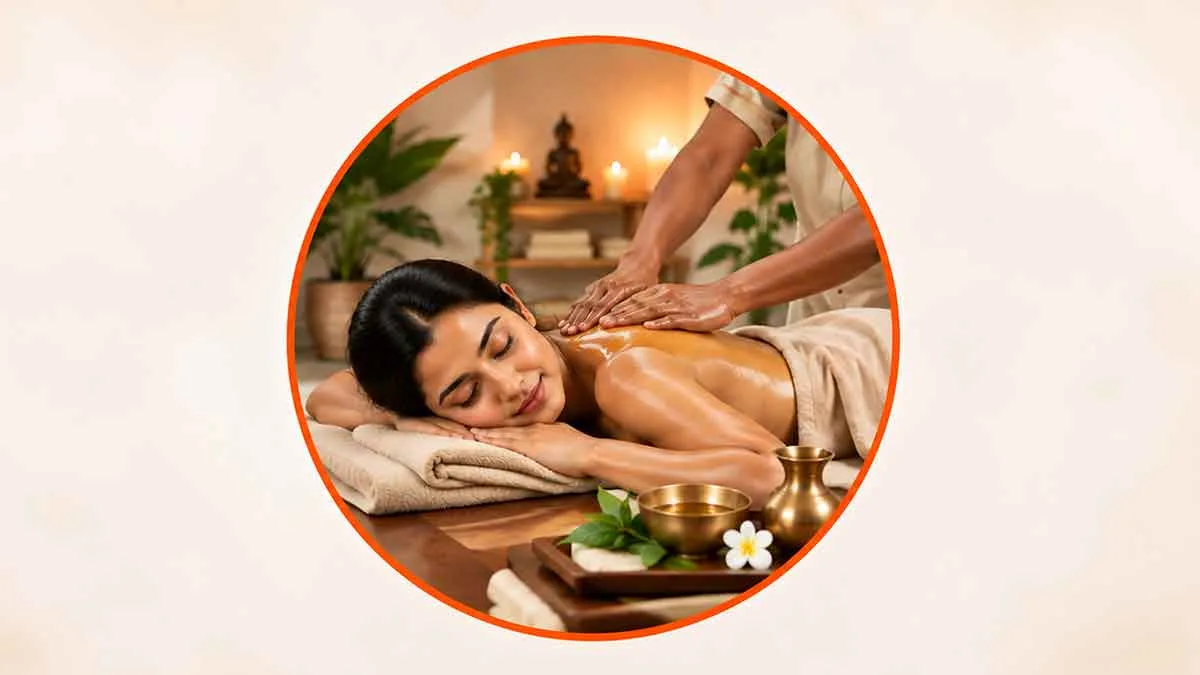
Abhyanga involves gentle massage with herbal oils and is traditionally used in Ayurveda to calm Vata. It may provide temporary comfort, but applying oil to the skin does not lubricate the internal joint surfaces. This therapy helps nourish the joints and muscles, increases joint flexibility, and improves blood circulation.
Yoga & Mindfulness Techniques
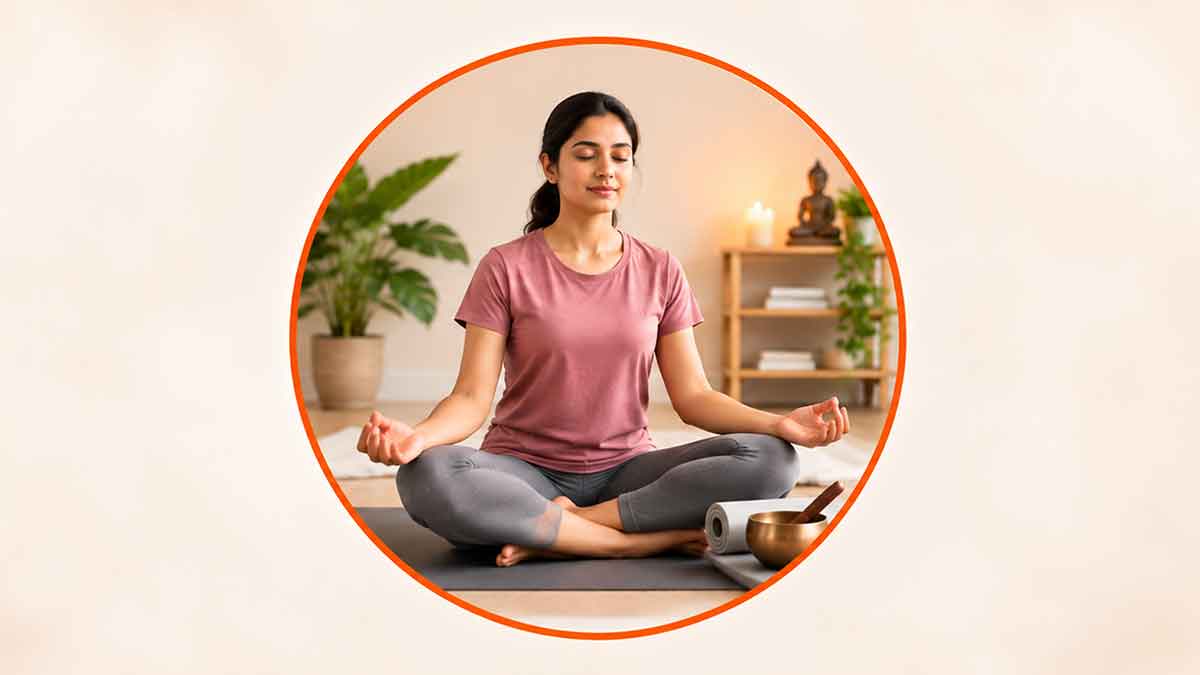
Suitable yoga and appropriately prescribed strength training can both support mobility and muscle function. Choose exercises and resistance levels that suit your symptoms, with guidance from a physiotherapist where needed. It helps reduce joint stress, enhances flexibility, and promotes joint pain relief. Practising meditation and breathing exercises can help reduce stress and help calm the mind.
Progression and Pacing
One mistake that people make to pacify their pain is that they rush into heavy treatment, while problems like knee arthritis need time, patience, and mental strength. Increase activity gradually and seek assessment if pain persists, rather than changing exercise or treatment without guidance. If you struggle while climbing stairs every time, this can be related to knee arthritis and needs proper medical attention and treatment, and ignoring it and doing its treatment at home can make this condition worse. So with patience and the right care, your knee pain can be pacified, and you can see gradual improvement.
What To Avoid When You Have Knee Arthritis
We discussed what to do to build knee strength. It is also necessary to know and understand things you should completely avoid if you have knee arthritis.
Avoid climbing too many stairs, as it can put a lot of pressure on your knees, which worsens knee pain and symptoms of arthritis. Reduce repeated stair trips if they aggravate your pain, and use a lift when needed. You do not have to avoid stairs completely if you can use them comfortably and safely.
Exercise is very important, but avoid heavy weight lifting and high-impact exercises that can trigger knee pain. These can accelerate joint wear and tear. So try doing low-impact exercise such as swimming, cycling, and mild cardio.
When you have knee arthritis, running or walking on rough surfaces can put severe pressure on your leg muscles and joints and can cause unnecessary twisting.
Sleeping or resting all day can make your body inactive, which directly causes muscle loss and makes joints stiffer and less stable over time.
Women who have arthritis and wear high heels are causing serious damage to their joints, as heels alter your natural alignment and put extra pressure on their joints.
Do not sit cross-legged, sit, kneel, or squat for very long periods, as it can lead to joint stiffness and discomfort.
Do not self-medicate, delay treatment, or ignore your consistent knee pain, as it can be a sign of knee arthritis that needs medical attention.
Having excess body weight can put heavy pressure on your knees, so try to maintain a healthy weight for better joint health,
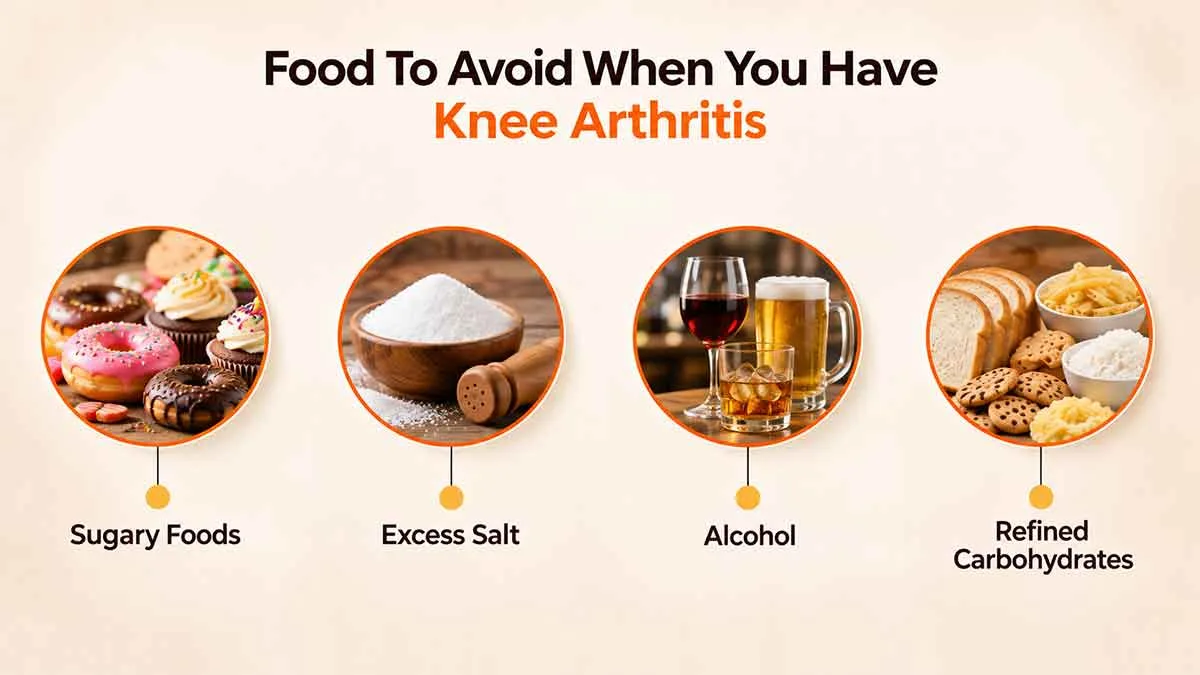
Food To Avoid When You Have Knee Arthritis
Food is considered one of the most important factors that can heal or cause knee arthritis in a person. There are certain foods that one must avoid:
Limit sweets, ice cream, and sugary drinks. Choose whole fruit more often, but keep honey and coconut sugar limited too, as both contribute free or added sugars.
Avoid eating too much salt because excess sodium leads to fluid retention, leading to swelling and pressure in your joints.
Excessive alcohol consumption can lead to dehydration and can increase uric acid levels in the body, which leads to joint pain.
People who consume red meat such as beef or bacon consume saturated fats and compounds that can cause joint stiffness and swelling.
Refined carbohydrates such as white rice, processed pastries, or white bread can cause blood sugar spikes, leading to inflammation in the joint.
Stop Signs & Medical Review
While gentle movement and Ayurvedic care are highly effective, there are warning signs that can happen to you where you should completely stop and seek medical care:
Your knees suddenly lock and do not straighten or can't even bend.
Your knees can't bear your weight and start shaking heavily.
You have severe swelling in your knees.
You are not able to walk properly.
Seek urgent medical assessment if your knee becomes hot and red and you also have fever or feel unwell.
You can improve knee arthritis symptoms and protect your joints by combining low-impact exercise, targeted strength training, and weight management.
You can lubricate your knee joints naturally by staying active, drinking plenty of water, and eating nutrient-rich foods that support synovial fluid production.
Yes, you can lead a normal, active life with knee arthritis by managing symptoms through exercise, weight control, and healthy daily habits.
The worst enemy of arthritis is systemic inflammation combined with excess mechanical stress on the joints.
Yes, massage can help ease arthritis pain and stiffness by relaxing tight muscles around the joints and improving blood flow.
You can slow down arthritis progression by maintaining a healthy weight, exercising with low-impact activities, and eating an anti-inflammatory diet.
Arthritis can start at any age, but the typical onset depends heavily on the specific type of the condition.
Find Jiva Ayurveda Clinics for Arthritis Treatment Near You

 Published on 12 Sep, 2026
 Updated on 13 Oct, 2026