
Successful Treatments
Clinics
Doctors
Arthritis Diet: Indian Eating Pattern and Weight Management
 Published on 14 Sep, 2026
 Updated on 03 Oct, 2026

Explore Diet
- Home / Diseases & Ayurveda / Joint & Muscle Pain / Ayurvedic Treatment For Arthritis / Diabetes Diet: Practical Indian Meal Planning Guide
When your joints hurt every single day, you start looking at your kitchen for remedies to cure that pain. Our family and friends also start suggesting different things to us. But when it comes to arthritis, there is a lot of confusing information out there. Let's break down how your diet affects your joints and what an ideal Indian eating pattern is for weight management and healthy joints.
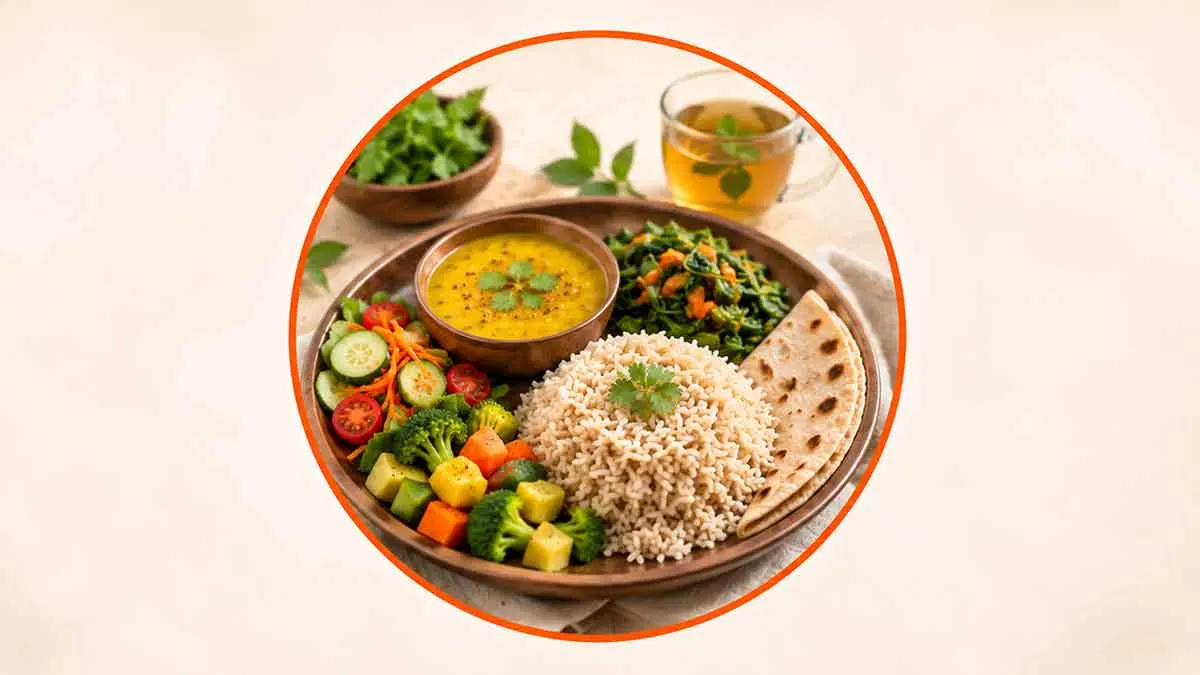
Importance of Diet in Ayurveda
In Ayurveda, food (ahara) is Purnabrahma, which means that it divines and sustains the entire body, mind, and spirit. It is considered Mahabhaishajya, meaning that proper ahara is the supreme medicine for an individual. Ayurveda provides a natural, preventive approach by simply focusing on your daily habits. True health is about becoming completely grounded and comfortable in yourself, a peaceful state called Svastha.
Ayurveda says that your life must be built on three pillars of health, called Trayopastambha. This includes Ahara, which is important for physical and mental support and for spiritual well-being. It helps in maintaining good digestion by supporting the four main pillars of life, which are nutrition, breath, liquid, and perception. The second pillar is Brahmacharya, which means living a balanced lifestyle. The last is Nidra (sleep), which is necessary for repairing the mind and body and repairing the daily damage.
In Ayurveda, food is classified based on Gunas: It is specified as Sattvik, the pure and clean quality of food that promotes mental clarity, physical health, and spiritual balance. Rajasic increases desire and restlessness in a person. Tamasic causes lethargy and sluggishness in an individual. Ayurveda primarily focuses on Sattvik food for better mind and body balance.
What Diet Can & Cannot Do
Diet has utmost importance in Ayurveda, and to understand the importance of diet, an individual must know what a diet (ahara) can and can not do.
What Diet Cannot Do?
There is no magic fruit, vegetable, or drink that can cure arthritis instantly. If the cushion (cartilage) is destroyed, then only drinking juice won't cure your arthritis alone. You cannot reverse the physical wear and tear of joints by relying completely on diet.
What Diet Can Do?
While food cannot regrow a bone, it is the most powerful thing you have to control your daily joint pain. Arthritis causes massive swelling and heat inside your joints. The food you eat either acts like water or fire. A good diet physically lowers the swelling in your blood. When the swelling goes down, your stiffness goes away, and you can move much better.
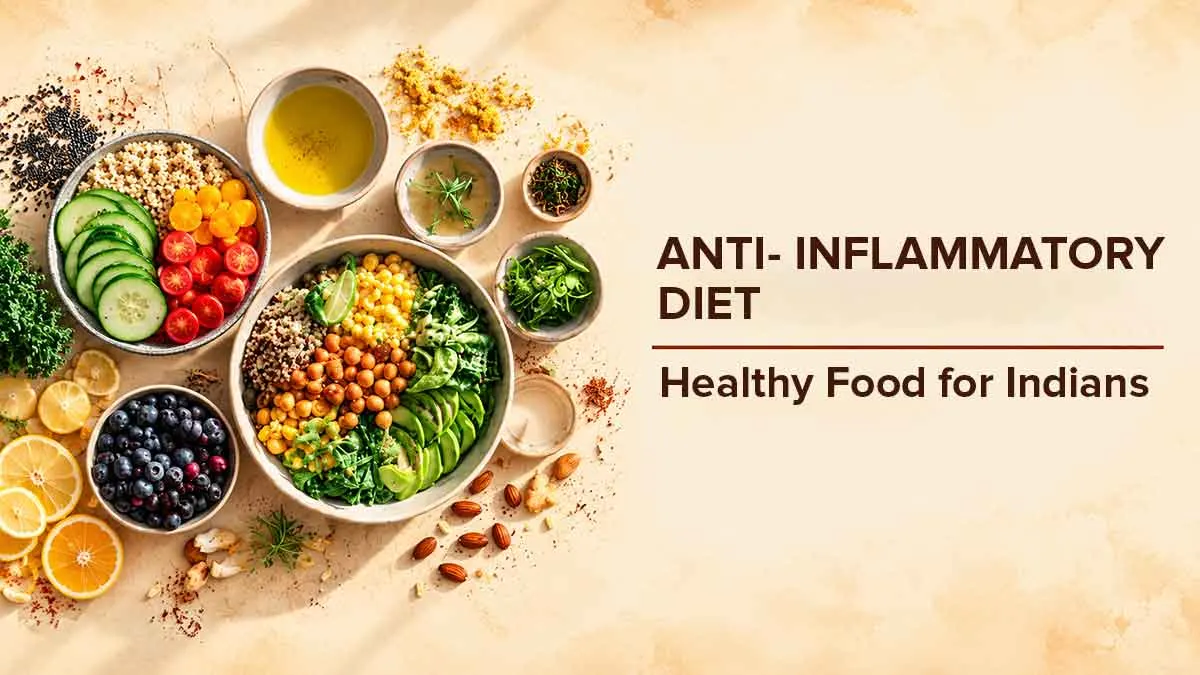
Balanced Indian Anti-Inflammatory Pattern
You don't need to buy expensive, imported food products to help treat the pain of arthritis. A traditional Indian diet, when cooked the right way, helps fight poor digestion. If you eat heavy, cold, or stale food, your stomach struggles to break it down. This creates a sticky, toxic waste called ama. This heavy waste travels through your body and settles right into your joints and spaces, causing them to swell and lock up.
To stop this from happening, your eating pattern must focus on warm, freshly cooked food. Indian food uses natural wheat and daily fish that wake up your digestive fire. When your digestion is strong, your body stops making that sticky waste, and your joints can finally start to clear out.
Foods To Eat When You Have Arthritis
When you are dealing with joint pain, your main goal must be to eat warm, freshly cooked and easy-to-digest foods. Eating light meals naturally helps in reducing swelling, keeps your digestion strong, and prevents heavy toxins from settling into your knees. Here is a simple guide on what to put on your plate to heal your joints from the inside out:
| Food To Eat | Why They Are Good |
| Yellow Moong Dal | It is a healthy, plant-based food that helps reduce inflammation in the body and supports bone health in people with arthritis. It is also very good for the stomach as it digests very quickly and prevents gas and bloating that heavier beans such as rajma or chole often cause. |
| Water- Rich Vegetables | Vegetables such as lauki and torai are highly hydrating and very low in calories. They naturally cool down the burning internal heat and swelling inside your painful joints. They help in lubricating joints and flushing out toxins from the body. |
| Fresh Ginger | It acts as a powerful natural cleaner for the body. Drinking ginger water helps in keeping your digestion active and flushes out sticky, toxic waste from your blood. It is a natural herb that helps in reducing joint pain and swelling by blocking inflammatory channels in the body. |
| Pure Cow Ghee | Osteoarthritis makes joints dry, rough, and brittle, and they desperately need some moisture. Adding a spoonful of warm ghee to your food helps to naturally lubricate your knees from the inside out. |
| Light Grains | Grains like jowar and barley are much easier for your body to process than whole wheat rotis. They give you good energy by helping you manage your body weight properly. |
Foods To Avoid When You Have Arthritis
Just as the right food can help you heal, the wrong food can trigger pain and make it severe. The main goal is to stop yourself from eating things that freeze your digestion, create sticky toxic waste, or trigger instant swelling in your body.
Here is a simple guide on what to keep off your plate to protect your joints from extra pain and stiffness:
| Foods To Avoid | Why They Are Bad |
| Deep Fried Foods | Foods such as namkeen or puri are high in trans fat, which results in worsening arthritis by triggering body-wide inflammation and increasing your weight that puts extra stress on your joints. |
| Refined Sweets & Maida | White sugar and refined products act as poison for people with arthritis. They trigger a massive spike of internal heat and swelling that you feel in your joints. |
| Cold & Raw Foods | Chilled water and salads instantly kill your digestive fire ( Agni) and heavily increase dryness, brittleness, and stiffness in your joints. In OA, your joints need warmth to move, not coldness. |
| Stale, Leftover and Refrigerated Food | Eating food that was cooked one or two days ago completely blocks your internal channels. It results in creating deep, heavy stiffness in the body overnight. |
| Chilled Curd At Night | If you eat chilled curd at night increase Kapha dosha, causes internal coldness, and leads to joint stiffness. So it is highly discouraged in Ayurveda. |
Myth-Busting Factors
When it comes to diet, there is a lot of confusing advice about what you should and should not eat for joint pain. Let's clear the biggest food-related arthritis myths:
Myth 1: You must avoid all sour food completely
Fact: Cold, heavy sour items such as chilled curd block your internal channels. However, warm, light sour foods like fresh lemon in hot water help in cleaning your system and joints.
Myth 2: Tomatoes and eggplants cause swelling
Fact: Unless you have a very specific allergy, properly cooked tomatoes, eggplants, and bell peppers are safe and won't damage your joints.
Myth 3: Drinking milk causes joint inflammation
Fact: Unless your stomach cannot digest dairy, milk is safe. A warm cup of milk boiled with turmeric at night is actually a great way to naturally nourish dry, clicking joints.
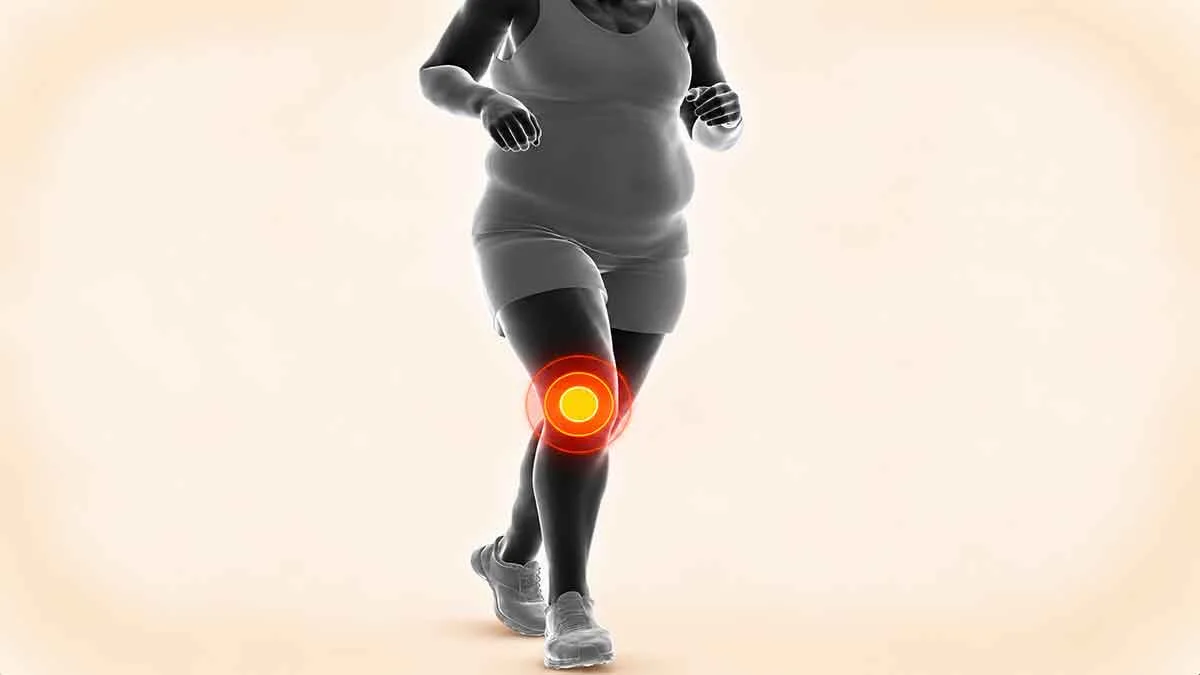
Weight And Knee Load
When we talk about diet, one thing that comes to everyone’s mind is the weight factor. If you have excess weight in your body, it puts pressure on your knee joints more, which accelerates cartilage damage and increases arthritis pain. Your knees control the entire weight of the body. For every single extra kilogram of weight on your hips or stomach, your knees feel four kilograms extra every time you take a step. And diet plays a powerful role in weight management by reducing physical load and also lowering systemic inflammation in the body.
Lighter body weight improves overall physical function and also reduces the risk of joint degeneration. This is possible when you have good food habits and a balanced diet. Even if you have become overweight, controlling your food habits can help reduce your weight and help you achieve your target weight.
Comorbidities And Medicine Considerations
When you are fighting with daily joint pain, you are often dealing with other health conditions such as diabetes or high blood pressure. Because of this, you cannot just jump into extreme internet diets or skip meals to maintain or lose weight. Every meal you eat needs to be carefully balanced to keep your blood sugar fairly steady and your blood pressure in a safe or healthy range. You have to think about the pills take every day. Strong arthritis medicines and daily painkillers can be harsh on your digestive system. If you take them on an empty stomach, they can easily cause severe acidity, painful bloating, or even long-term stomach issues. This is why having predictor eating routine is very important. You need to make sure you are eating wholesome, warm meals on a regular schedule so your daily medicines can be absorbed safely. By eating the right foods at the right times, you naturally build a protective layer for your stomach, allowing your medication to do its job and heal your joints without causing any problems.
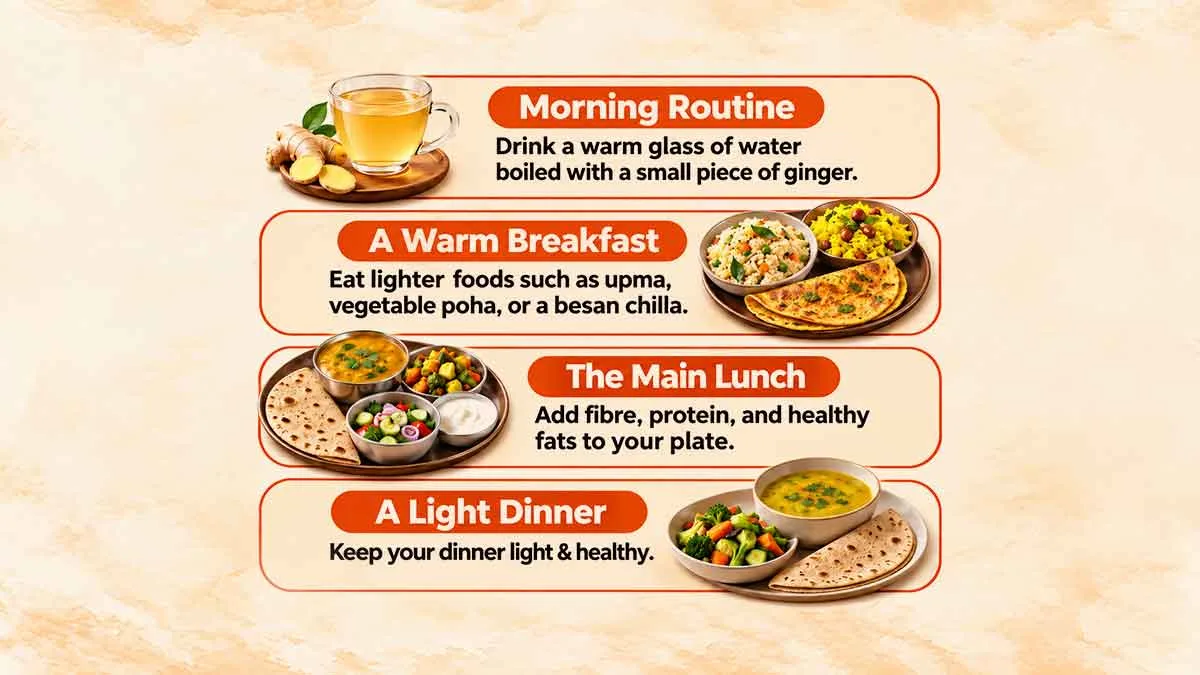
Practical Meal Structure
You don't need a complicated and structured diet chart to eat well; you just need to follow your body’s natural rhythm. Here is a highly practical Indian meal plan that can help in maintaining proper body balance:
- Morning Routine: Don't start your day with milky tea and biscuits. Start with a warm glass of water boiled with a small piece of ginger or a pinch of ajwain. This helps wake up your stomach and flush out nighttime toxins.
- A Warm Breakfast: Keep your breakfast warm and fresh. Eat what suits your stomach and helps in maintaining energy ultil your lunch time. Go for lighter substitutes such as upma, vegetable poha, or a besan chilla. Don't eat heavy, cold, or oily parathas in the morning.
- The Main Lunch: Make lunch the biggest meal of the day and eat it between 12 pm and 2 pm. Rhus is the time when your digestive fire is strongest. Add enough fibre, protein, and healthy fats to your plate.
- A Light Dinner: A dinner must be very light and eaten before 8 pm or 2-3 hours before you go to bed. If you eat a heavy dinner right before going to bed, then your body won't be able to digest it. It will turn into toxins and will cause you joint pain.
References
FAQs
An arthritis weight loss diet plan combines a modest calorie deficit with anti-inflammatory foods to lower joint stress and reduce pain.
An arthritis-friendly Indian diet focuses on anti-inflammatory whole foods, traditional spices like turmeric, and weight-management staples like millets and dal.
No, losing weight cannot cure arthritis, but it can significantly reduce pain, ease joint pressure, and slow down the disease's progression.
Moong dal and horse gram dal (kulthi) are widely considered the best options for managing arthritis because they are light, easy to digest, and help reduce inflammation.
Yes, arthritis can indirectly cause weight gain, mostly because joint pain and stiffness make it hard to stay active.
Yes, paneer is generally safe and can be eaten in moderation if you have arthritis, as it provides essential calcium, protein, and vitamin D.
A person with an arthritic condition should avoid high-impact exercises, inflammatory foods like excess sugar and red meat, and pushing through sharp joint pain.
Consult Experienced Ayurveda Doctors for Arthritis Diet: Indian Eating Pattern and Weight Management





















Our Happy Patients
-
 Sunita Malik - Knee Pain
 -
 Abhishek Mal - Diabetes
 -
 Vidit Aggarwal - Psoriasis
 -
 Shanti - Sleeping Disorder
 -
 Ranjana - Arthritis
 -
 Jyoti - Migraine
 -
 Renu Lamba - Diabetes
 -
 Kamla Singh - Bulging Disc
 -
 Rajesh Kumar - Psoriasis
 -
 Dhruv Dutta - Diabetes
 -
 Atharva - Respiratory Disease
 -
 Amey - Skin Problem
 -
 Asha - Joint Problem
 -
 Sanjeeta - Joint Pain
 -
 A B Mukherjee - Acidity
 -
 Deepak Sharma - Lower Back Pain
 -
 Vyjayanti - Pcod
 -
 Sunil Singh - Thyroid
 -
 Sarla Gupta - Post Surgery Challenges
 -
 Syed Masood Ahmed - Osteoarthritis & Bp
Diagnostic Marker
Blogs
- 3 Benefits of Golden Milk in Arthritis
- Jiva?s Ayunique Treatment for Osteoarthritis
- Early Diagnosis - The Key to Treating Arthritis
- Natural Options That You Must Try For Arthritis
- Panchakarma to Get Relief from Arthritis Pain
- How to Control Osteoarthritis in Old Age
- Relieving Osteoarthritis with the power of Ayurveda
- Simple home remedies for Rheumatoid Arthritis (Ama vata)
- Uses of Ginger to Get Relief from Arthritis
- Benefits of Turmeric in Controlling Arthritis
Home Remedies
Related Disease
- Ayurvedic Treatment for Ankylosing Spondylitis
- Ayurvedic Treatment For Cervical Spondylosis
- Ayurvedic Treatment For Arthritis
- Ayurvedic Treatment for Osteoarthritis
- Ayurvedic treatment for Gout
- Ayurvedic Treatment for Sciatica
- Ayurvedic Treatment for Rheumatoid Arthritis
- Ayurvedic Treatment for Frozen Shoulder
- Ayurvedic Treatment for Deep Vein Thrombosis (DVT)
- Ayurvedic Treatment for Achilles Tendon Disorders
- Ayurvedic Treatment for Rickets
- Ayurvedic Treatment for Ganglion Cyst
- Ayurvedic Treatment for Osteoporosis
- Get Ayurvedic Treatment for AVN Avascular Necrosis
- Get Ayurvedic Treatment For Osteomyelitis
- Cerebral Palsy Treatment in Ayurveda
Latest Blogs
- बच्चों में weekend sleep timing बदलना Monday mood को कैसे प्रभावित कर सकता है
- Is Fasted Intense Exercise a Good Idea for Every Woman
- Health Tracking Every Hour: Helpful Awareness Or Another Source Of Stress?
- फोन देखते हुए चलना सिर्फ accident risk नहीं—posture और breathing पर क्या असर पड़ता है
- Bloating Before a Period: Why Lifestyle Can Change How It Feels
- बहुत जल्दी खाना खाने से पेट भरने का signal देर से क्यों मिलता है
- ‘No Added Sugar’ Doesn’t Automatically Mean Low Sugar—Here’s Why
- Online meetings के बीच zero movement दिन के अंत में stiffness क्यों बढ़ाता है?
- Screen brightness और late-night work sleep readiness को कैसे बदलते हैं
- Warm Vs Cold Foods: How To Discuss The Ayurvedic Idea Without Turning It Into A Myth
- Noise-cancelling headphones घंटों पहनना mental fatigue को कम करता है या बढ़ा सकता है?
- Sugar-Free Biscuits: Better Choice Or A Health Halo?
- Why a Long Afternoon Nap Can Make Bedtime Surprisingly Difficult
- Scrolling While Eating: The Habit That Makes Meals Harder to Remember
- The Forward-Head Posture You Don’t Notice Until Evening
- Are Seed Mixes Useful—Or Just Easy To Overeat?
- Laptop on the Sofa: Why Neck and Hip Stiffness Show Up Later
- Why Your Eyes Feel Tired Even When Screen Brightness Seems Fine
- Is A Standing Desk A Complete Fix For Too Much Sitting?
- Why a Damp Bathroom Can Affect More Than Just the Walls
Ayurvedic Doctor In Top Cities
- Ayurvedic Doctors in Bangalore
- Ayurvedic Doctors in Pune
- Ayurvedic Doctors in Delhi
- Ayurvedic Doctors in Hyderabad
- Ayurvedic Doctors in Indore
- Ayurvedic Doctors in Mumbai
- Ayurvedic Doctors in Lucknow
- Ayurvedic Doctors in Kolkata
- Ayurvedic Doctors in Patna
- Ayurvedic Doctors in Vadodara
- Ayurvedic Doctors in Ahmedabad
- Ayurvedic Doctors in Chandigarh
- Ayurvedic Doctors in Gurugaon
- Ayurvedic Doctors in Jaipur
- Ayurvedic Doctors in Kanpur
- Ayurvedic Doctors in Noida
- Ayurvedic Doctors in Ranchi
- Ayurvedic Doctors in Bhopal
- Ayurvedic Doctors in Ludhiana
- Ayurvedic Doctors in Dehradun