Diabetes, arthritis, skin disorders & more! Get a free consultation with Top Ayurveda doctors - +91 9266714040 | No travel, No waiting – Consult Jiva’s doctors from home via video call! | Get up to 10% OFF! On Authentic Ayurveda Products! Best Prices only on the brand store. Visit : www.store.jiva.com
Arthritis of the knee can be a very serious and debilitating condition. Osteoarthritis is the most common type that attacks one or both knees. It occurs when the soft cushion, the protective layer of your joints, cartilage, gets worn down with time. When this cartilage wears away, the space between the bones gets narrower. In severe cases, bone grinding and bone spurs may occur.
In Ayurveda, symptoms of knee osteoarthritis are often discussed in relation to Sandhigata Vata. Knee arthritis also includes other conditions, such as rheumatoid arthritis, which require a different assessment. When Vata dosha gets aggravated in the body, it brings dryness, roughness, and degeneration in the joint space. When Vata increases, it depletes the bone tissues, Asthi Dhatu, and the fluid that cushions the joints.
Another factor that contributes to knee pain is weak digestion fire, Agni. When it's weak, the food is not digested properly, and hence, heavy, toxic, or sticky waste is made, known as Ama, in the body. Impaired digestion and Ama may be considered when assessing joint discomfort. These traditional concepts should not be understood as physical waste deposits in the knee.
Knee Arthritis Symptoms
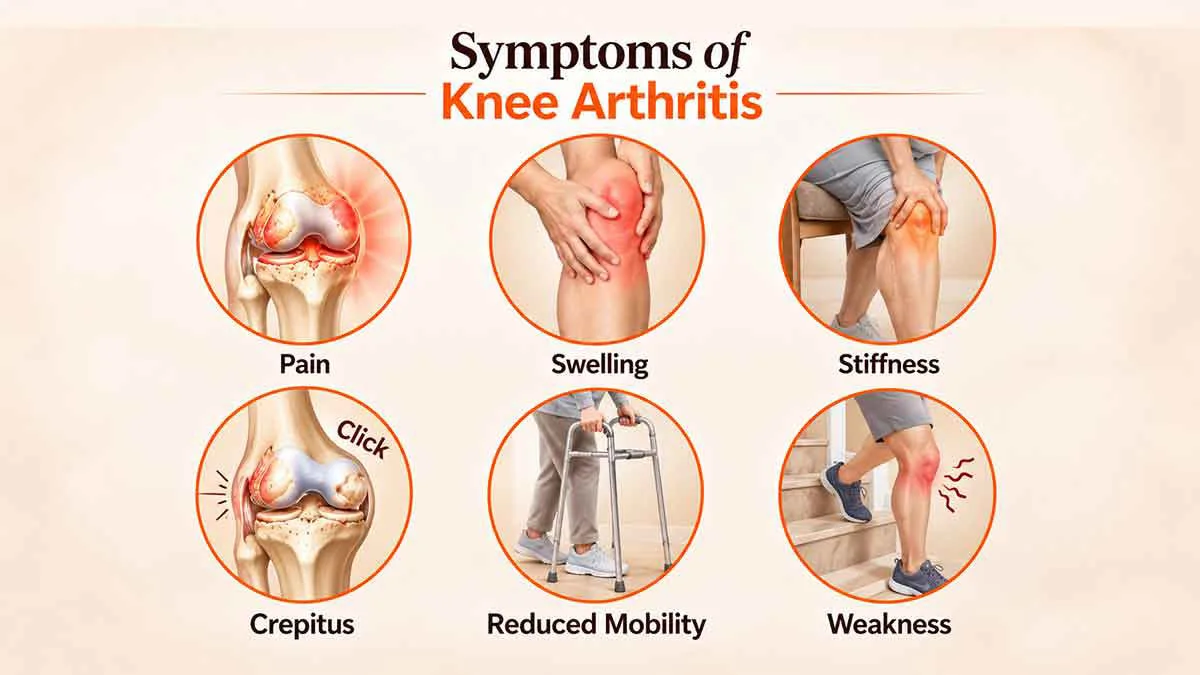
When arthritis begins to affect your knees, the discomfort usually starts with a mild ache that slowly worsens over time. Below are the most common signs of knee arthritis:
Pain while doing any activity: Your knee hurts a lot when you are walking, climbing stairs, or standing up from a chair, but it usually feels better when you rest.
Morning stiffness: The joints feel very tight and hard to move when you first wake up or after you have been sitting in a car or at a desk for a long time.
Swelling and puffiness: The skin around your knees might look visibly swollen or feel warm to the touch because of trapped fluid and inflammation.
Grinding or popping sound: You might hear a loud crunching sound or feel a rough grinding when you move. In Ayurveda, this is a clear sign of imbalance in the Vata dosha.
Feeling unstable: Your knee might suddenly feel weak, almost as if it is going to buckle or give out underneath your weight.
Loss of flexibility: It becomes physically harder to completely straighten or fold it all the way back without sharp pain.
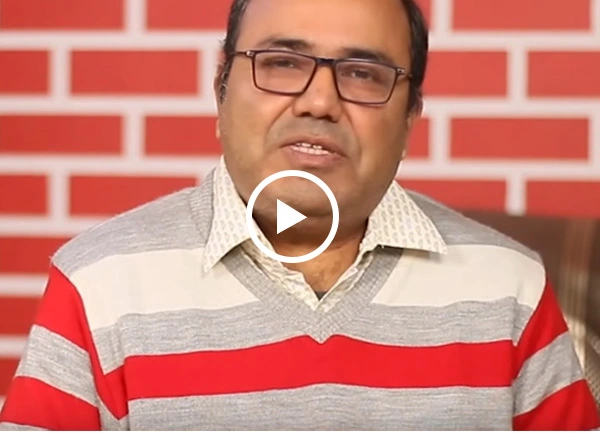
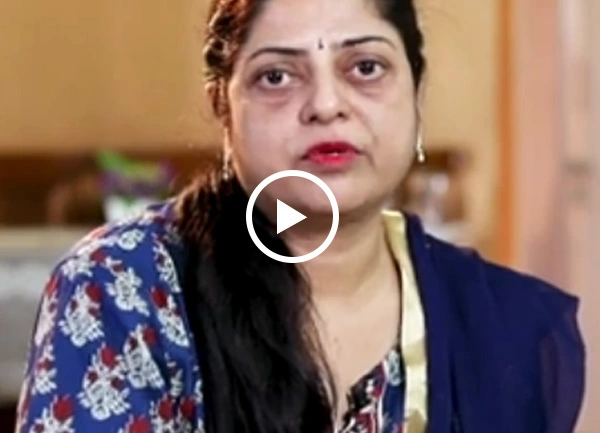
My name is Dinesh Chandra Baghel. I am 61 years old, and for the last two years I had been suffering from severe joint pain and had difficulty in walking and moving around. I consulted an orthopedic doctor who advised me to undergo immediate surgery. However, I later came to know about Jiva Ayurveda and visited their Lajpat Nagar center, where I met Dr. Sikandar. He started my Panchkarma treatment along with medicines. Within two months, I experienced significant relief and now I am able to walk and move comfortably.
I humbly request everyone to visit Jiva Ayurveda at least once.
Thank you, Jiva Ayurveda.
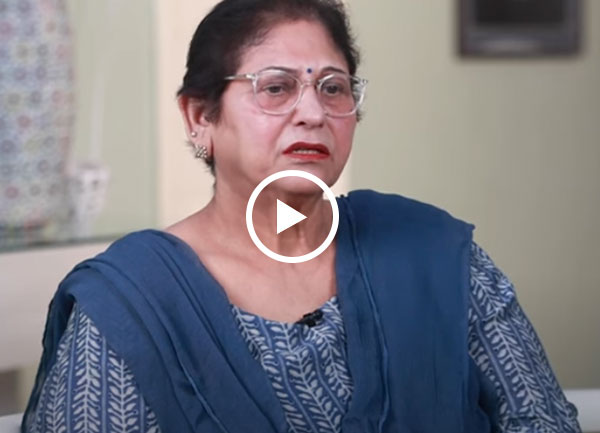
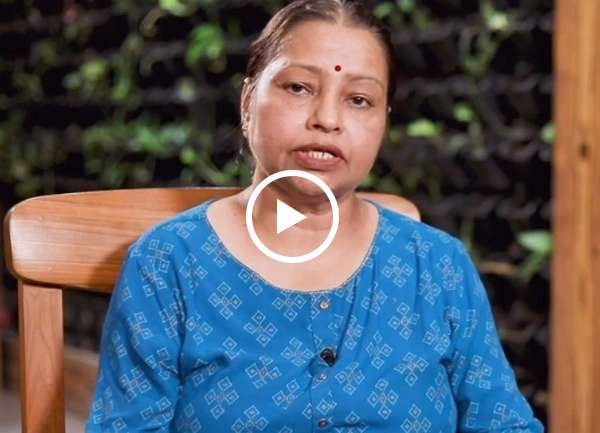
I took panchakarma sessions here and it helped in relieving my pain because of rheumatoid arthritis. I was personally attended by Parvati who is very professional, helpful and knowledgeable in her work. The experience was great and worth it.
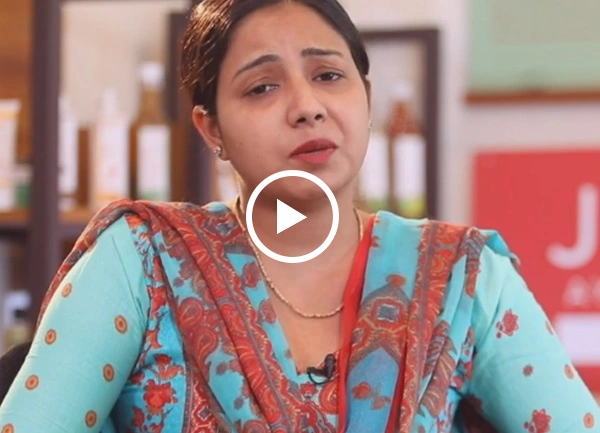
my name is suman singh
I am suffering from arthritis.
I am going to jiva ayurveda alpha clinic
Dr Advised me Panchkarma and Medicine. I am starting medicine i got relief for 2 months medicine and Panchkarma setings
Dr & Staff is very good also Panchkarma therapist.
thanks, jiva ayurveda.
How Does Knee Arthritis Pain Feel?
When arthritis settles in your joints, it does a lot more than just cause you pain. It changes the way your joints look, how they work, and how much you can trust your joints to hold you up. To really understand what is happening, we need to look past the basic pain and break down the specific physical changes and daily triggers that make this condition very frustrating. Here is a closer look at what goes wrong and why certain daily movements suddenly become impossible to do:
Swelling, Instability & Losing Your Range of Motion
When your cushion wears away, the way your knees physically behave completely changes. It is not only about the bones rubbing together, but it is also about how your bones are reacting to that damage.
The Heavy Tight Feeling of Swelling
Inflammation can cause excess fluid to collect in the knee joint, contributing to swelling, tightness, and restricted movement. But because the space is already damaged and inflamed, this extra fluid has nowhere to go. It is trapped inside the joint spaces. This is why your knees suddenly feel stiff and completely tight, almost like a water balloon that has filled with water. The skin might feel warm to the touch, and the joint feels heavy. In Ayurveda, this heavy, fluid-filled feeling is a classic sign of that sticky, toxic waste, Ama, and a heavy Vata energy trapped inside the joints, blocking the natural movement of the joints.
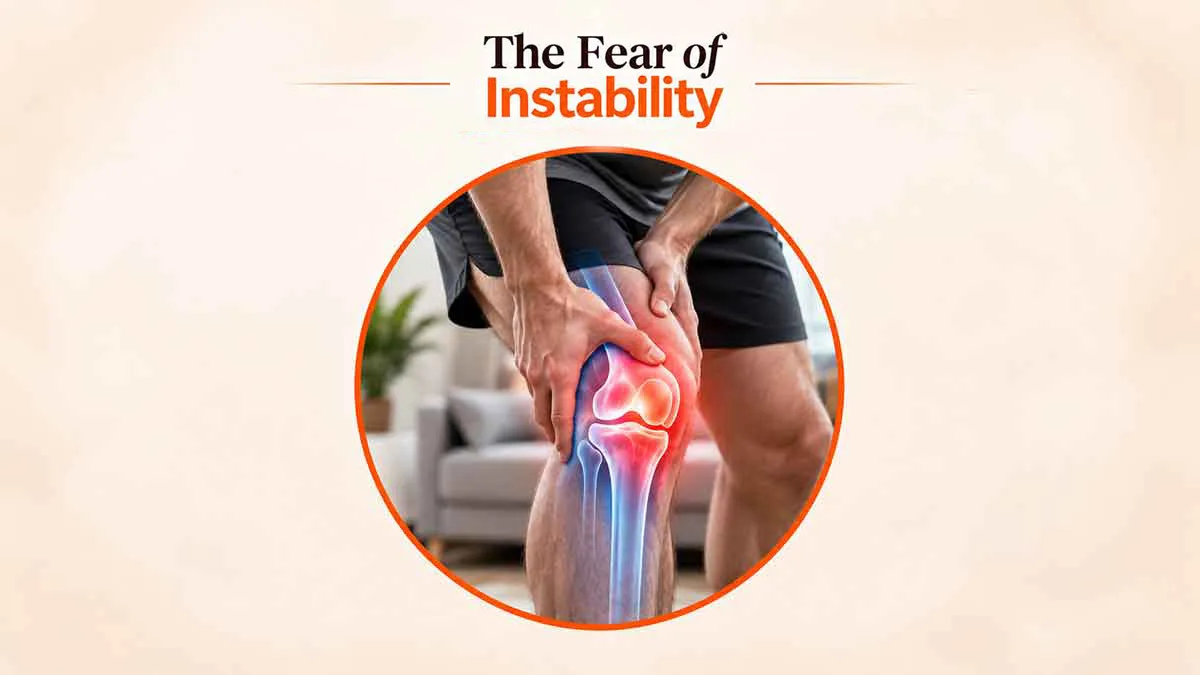
The Fear of Instability
One of the scariest feelings of knee arthritis is the feeling of instability. You might just be walking through your living room, and suddenly your knee starts to buckle. It happens because your cartilage wears away unevenly, and the joint itself becomes loose. And because it hurts to move, the strong thigh muscles that usually hold the knees firmly in place start to shrink and get weak. Without strong muscles to hold the joint tight, the knee simply cannot support your body weight safely.
Losing Your Range of Motion
Knee movement varies between individuals. Arthritis may make it harder to straighten or bend your knee comfortably, affecting tasks such as dressing or getting up from a chair. But if you have arthritis, you slowly lose that flexibility. The joint capsule gets tighter, and hard bone spurs start growing around the edges of the worn-out bones. These bumps stop the joint from bending. Eventually, you may notice that when lying in bed, you cannot straighten your leg fully or bend it enough to easily put on your socks and shoes. Ayurveda calls this stiff, locked-up restriction a severe buildup of dry, rough Vata energy.
Daily Movements That Trigger the Most Pain
With less cushion and flexibility, any movement that forces your knee to bend deeply or carry extra weight will cause a sharp spike in pain.
Climbing Stairs: Using stairs places greater demands on your knees than walking on level ground. Going downstairs may be particularly uncomfortable because your thigh muscles must control the lowering of your body.
Squatting and Floor Sitting: Sitting cross-legged forces the knee into a tight, painful angle, and pushing your full body weight back up to stand is incredibly stressful on the joint.
Starting to Walk: The first few steps are usually very stiff and awkward until the joint slowly warms up and naturally lubricates itself.
Long Walks and Standing: Walking or standing for too long exhausts the joint, leaving the knee heavily throbbing and swollen by the evening.
Diagnosis of Knee Arthritis
If your knees are hurting, then the doctor may ask you to do the following tests to check if your cartilage is worn away or not:
Pulse Diagnosis: The doctor may check your pulse, known as Nadi pariksha, to check which of your body energies (Vata, Pitta, and Kapha) is imbalanced.
Medical History: The doctor will check for any of your past injuries or surgeries you have had. He will also ask if any of your family members have had the same disease.
Symptoms Analysis: Your doctor will ask you about any sort of stiffness and pain in the knees.
Tracking Toxins: The doctor will also ask about your eating and bathroom habits to check if your digestion is strong or weak.
Physical Examinations: The doctor will also look at the affected area to check if there is any sort of redness, swelling, or puffiness there.
Imaging Test: Your doctor may request an X-ray to assess joint-space narrowing and bone changes. MRI or ultrasound may be used when additional information is needed; not everyone requires all three tests
How Is Knee Arthritis Managed?
In Ayurveda, the treatment of the disease doesn't focus on just calming down the symptom but rather focuses on treating the root cause so that the body can be balanced internally.
Calming the Vata Dosha: The main focus of the treatment is to calm the Vata dosha in the body through herbal treatment and Panchakarma therapies.
Fixing Your Digestion: Ayurveda focuses on fixing your digestion as well; it looks at your eating habits and tries to fix them with its ancient approaches.
Removing Toxins From The Body: The toxic waste, Ama, accumulated in the body or joint space due to weak digestive fire, is removed.
Dietary & Lifestyle Guidelines: Ayurveda suggests eating warm and freshly home-cooked food. It also suggests fixing your routine and lifestyle for better mind and body well-being.
Yoga & Meditation: The mind-body processes create a beneficial effect that reduces stress while boosting emotional resilience through its stress reduction, body relaxation, and emotional balance techniques.
Ayurvedic Therapies & Herbs For Knee Arthritis
Ayurveda uses certain natural herbs and therapies to manage and control knee pain by addressing the root cause, not just the symptoms. Here are some of the common herbs and therapies used by Ayurveda for the treatment of the disease:
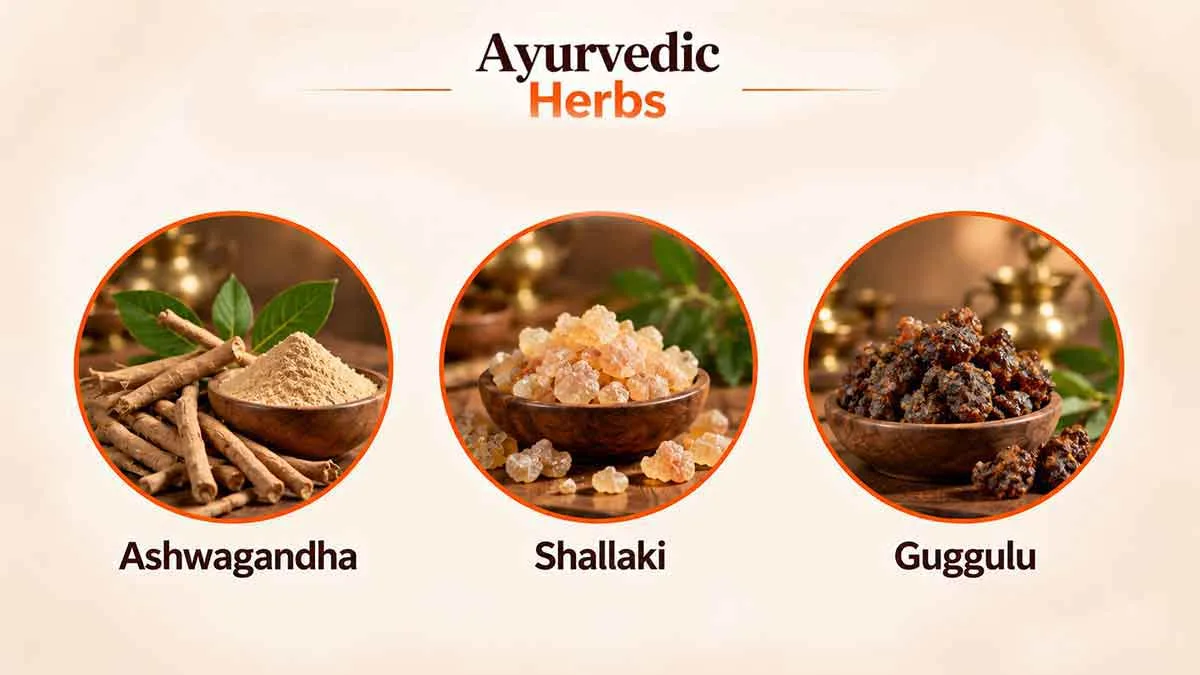
Ayurvedic Herbs
Ashwagandha: It is a deeply rejuvenating herb that helps provide physical strength to the muscles, ligaments, and bones around the knees.
Shallaki: It is a potent herb that helps reduce joint pain, decreases swelling around the knees, and helps improve knee flexibility.
Guggulu: It is an anti-inflammatory herb that helps in clearing out toxins (Ama) and strengthens the nervous system and joints.
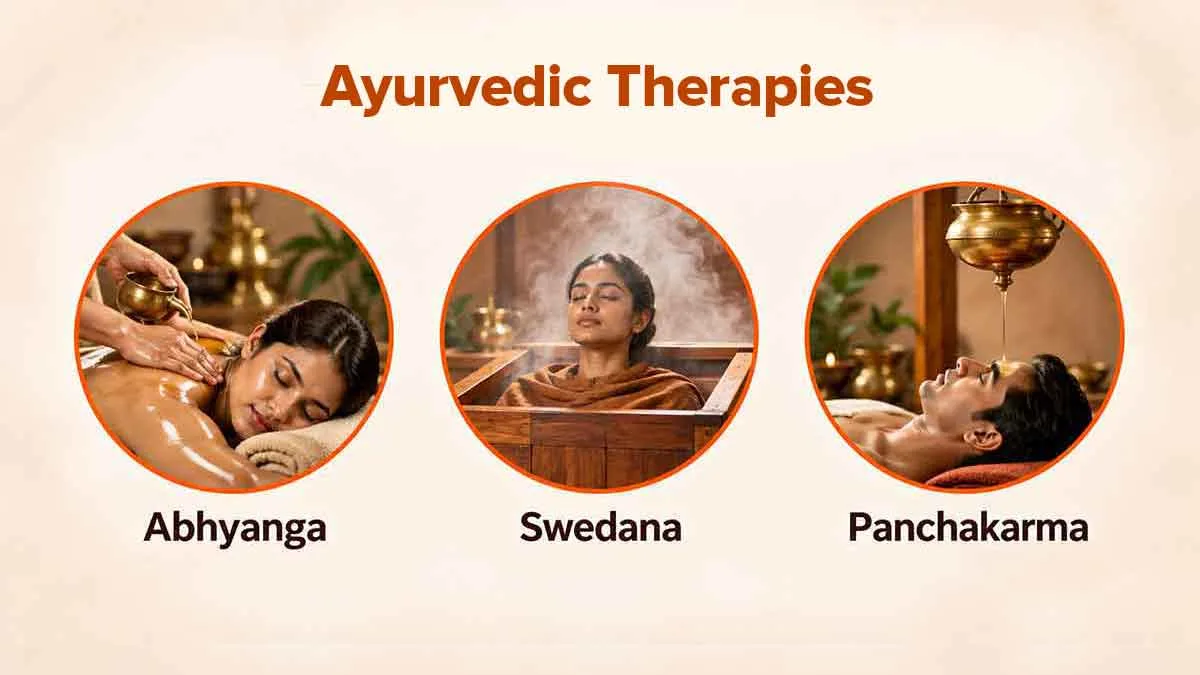
Ayurvedic Therapies
Abhyanga: It is a traditional herbal oil massage that may provide temporary comfort and ease muscle tension.
Swedana: It is a herbal sweat therapy used in Ayurveda to calm down the aggravated Vata dosha in the body and helps in relieving knee pain.
Panchakarma: Ayurveda uses Panchakarma therapies such as basti and virechana to soothe knee pain by reducing inflammation, nourishing joint tissues, and restoring natural lubrication.
Red Flags To Watch Out For
While knee arthritis happens slowly over time, it can be a sign of any serious problem:
If you have persistent knee pain while standing, walking, or climbing stairs.
If you experience stiffness, tightness, or instability in the knee and have difficulty moving or bending the knee.
If you're unable to walk or bear any weight
If you have a cracking or popping sound while walking or moving the knee.
If you see swelling, puffiness, or redness on the knee.
If the pain doesn't go away even after rest.
Arrange medical review for persistent pain, stiffness or reduced mobility. Seek urgent assessment if you cannot bear weight, your knee locks or gives way, it becomes severely swollen or changes shape, or it is hot and red with fever. Painless clicking alone is usually not an emergency.
Yes, walking is very good for knee arthritis because it is a low-impact exercise that strengthens the muscles around the joint and lubricates cartilage.
Avoid high-impact activities, certain inflammatory foods, and habits that place excessive mechanical stress on the joint when managing knee arthritis.
Low-impact strengthening and mobility movements are the best exercises for arthritis in the knees because they build supportive muscle without putting excess stress on the joint.
While severe knee arthritis is more common in adults over 50, early-stage wear and tear can begin in your 30s and 40s.
Arthritis can start at any age, but the typical onset depends heavily on the specific type of the condition.
Yes, your sleeping position can directly cause or worsen knee pain by placing unnatural stress, twist, or pressure on the joint.
The first signs of knee problems often start as subtle discomfort, such as mild stiffness after sitting or a dull ache when climbing stairs.
Find Jiva Ayurveda Clinics for Arthritis Treatment Near You

 Published on 12 Sep, 2026
 Updated on 15 Oct, 2026

.webp)