Diabetes, arthritis, skin disorders & more! Get a free consultation with Top Ayurveda doctors - +91 9266714040 | No travel, No waiting – Consult Jiva’s doctors from home via video call! | Get up to 10% OFF! On Authentic Ayurveda Products! Best Prices only on the brand store. Visit : www.store.jiva.com
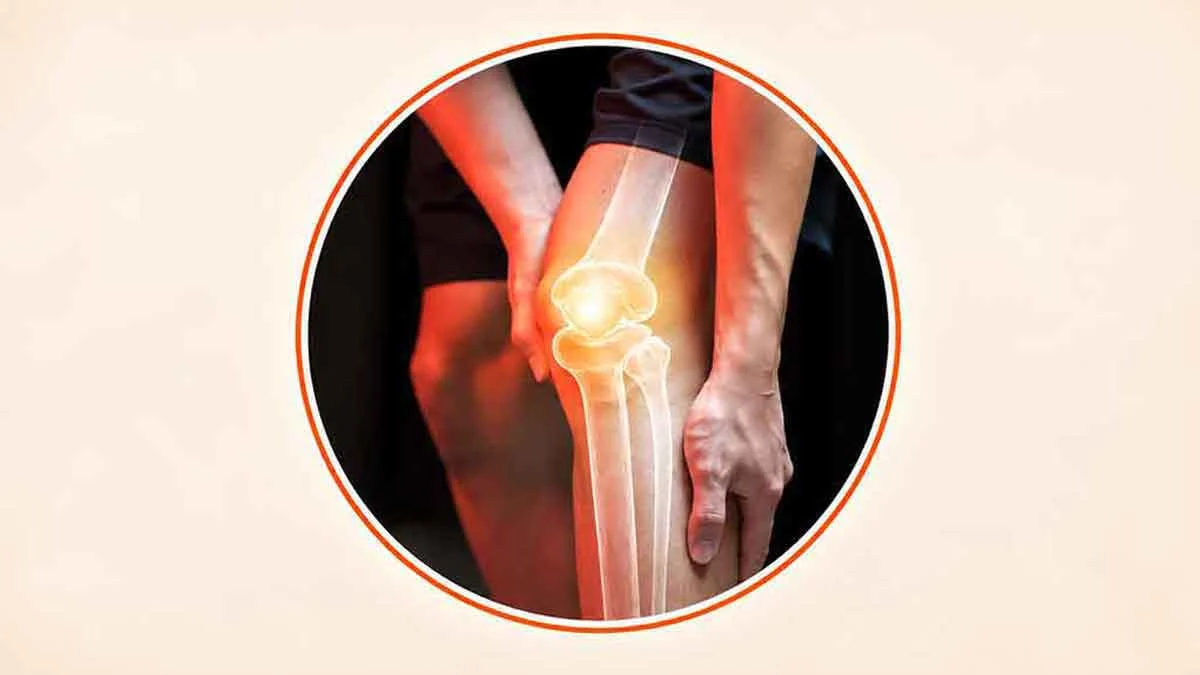
This is a guide for those whose knees give way suddenly during weight-bearing. This condition is called knee buckling and may occur suddenly with cracking, popping sounds, and a locking sensation in the knee joints when you feel so pressured that your legs can’t hold your weight and become unstable while standing on them. Knee buckling can occur with osteoarthritis, muscle weakness, or injuries affecting the ligaments, meniscus, or tendons. In Ayurveda, osteoarthritis-related symptoms are commonly discussed within the framework of Sandhigata Vata, but buckling requires assessment to identify its cause. If you have knee pain and want to get back your strength through simple daily habits and Ayurvedic tips, then this guide is for you.
Why Does the Problem Occur?
This mostly happens because your supporting muscles become weak. When arthritis causes pain, you naturally move your leg less. Because of this lack of use, your strong front thigh muscles quickly shrink and lose their power.
In Ayurveda, this condition is related to aggravated Vata dosha. Since Vata represents air and movement, if it gets imbalanced, it stops your joint from getting the deep nourishment it needs. The internal joint tissues become dry, weak, and disconnected. In Ayurveda, Vata-related joint symptoms are assessed in relation to qualities such as dryness and impaired function. Management is personalised, while knee stability also requires assessment of muscle strength and the structures supporting the joint.
Immediate Practical Modifications
If your knees feel unstable, add physical support immediately so that you don't fall and hurt yourself:
Change the way you walk: Stop taking long strides where you land heavily on your heels; instead, take shorter steps. Try to keep your body weight balanced directly over your feet. The small changes help keep your knees from being pushed into a weak, wobbly position.
Be very careful going downstairs: When you go downstairs, your quadriceps face much higher pressure, which is the most common reason for knee buckling. Use the handrail and descend one step at a time using the technique taught by your physiotherapist. When weight-bearing is permitted, the affected leg generally goes down first, followed by the stronger leg. Avoid stairs without assistance if your knee is repeatedly giving way.
Use a cane, if required: Do not feel shy about using a cane or any other supporting device. If your knees buckle up frequently, it helps unload the joints and provides backup support if your knees give way.
Wear a supportive knee brace: Wear a supportive knee brace to stabilize the joint. An appropriately selected and fitted knee brace may improve support for some causes of instability. Ask your doctor or physiotherapist whether a brace is suitable, as it cannot guarantee that buckling will stop.
My name is Dinesh Chandra Baghel. I am 61 years old, and for the last two years I had been suffering from severe joint pain and had difficulty in walking and moving around. I consulted an orthopedic doctor who advised me to undergo immediate surgery. However, I later came to know about Jiva Ayurveda and visited their Lajpat Nagar center, where I met Dr. Sikandar. He started my Panchkarma treatment along with medicines. Within two months, I experienced significant relief and now I am able to walk and move comfortably.
I humbly request everyone to visit Jiva Ayurveda at least once.
Thank you, Jiva Ayurveda.
I took panchakarma sessions here and it helped in relieving my pain because of rheumatoid arthritis. I was personally attended by Parvati who is very professional, helpful and knowledgeable in her work. The experience was great and worth it.
my name is suman singh
I am suffering from arthritis.
I am going to jiva ayurveda alpha clinic
Dr Advised me Panchkarma and Medicine. I am starting medicine i got relief for 2 months medicine and Panchkarma setings
Dr & Staff is very good also Panchkarma therapist.
thanks, jiva ayurveda.
Patient Success Stories
Step-By-Step Safe Routine
To build your thigh muscles, you have to follow the simple steps below. But do this without putting much pressure or bending the knee and grinding the dry bones together. Here is a simple, Ayurvedic-approved routine you can follow:
Step 1: Warm Oil Massage (Snehana)
Warm oil massage is traditionally used in Ayurvedic joint care when appropriate. Consult a qualified Ayurvedic physician about its suitability, and avoid massage over a recently injured, hot or swollen knee.
Step 2: Gentle Warm-Up (Sukshma Vyayama)
Before doing any workout or heavy work, try to sit on the edge of your bed and let your legs hang for some time. Slowly swing your lower legs back and forth for about one minute. This helps pump fresh blood and natural fluid into the joint without putting any of your body weight or pressure on it.
Step 3: The Straight Leg Lift
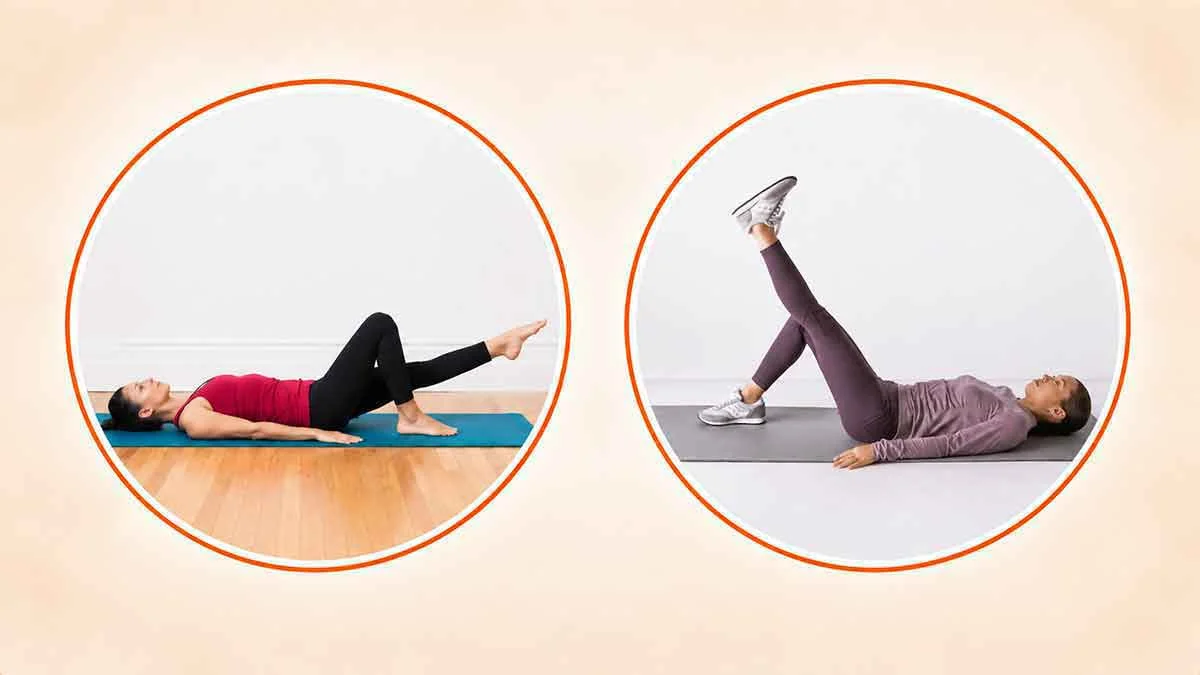
Lie flat on your back. Keep your painful leg completely straight and slowly lift your heel just a few inches off the bed. Hold your leg up in the air for 5 seconds, then slowly lower it. Do this 10 times. This helps build strong muscles without bending the painful knee joint.
Step 4: The Towel Squeeze
Sit on the bed flat, and roll up a small hand towel and put it under your knee. Press the back of your knee firmly into the towel to tighten your front thigh muscle. Hold it tight for 5 seconds, and then relax. Do this 10 times
Step 5: Healing Heat (Swedana)
When you are finished with exercises, place a warm heating pad or hot water bottle on your knee for about 10 to 15 minutes. Swedana is traditionally used in Ayurveda for selected conditions involving stiffness. Gentle warmth may help relax surrounding muscles, but its suitability depends on the condition of the knee.
Progression and Pacing
Getting a weak knee joint strong again takes time. If you do heavy workouts and push yourself beyond your capacity, then it will only make your knees weaker. Instead, start slow and do gentle workouts. Conditions like knee arthritis take time and require patience, consistency, and lots of mental strength. If your knees buckle up frequently and you feel unstable, then it can be a sign of knee arthritis and needs medical care. With patience and the right care, your knee pain can be pacified, and you can see gradual improvement.
What To Avoid When You Have Knee Buckling & Instability
If your knees are prone to buckling, then you must avoid certain things to build better muscle strength and prevent further injury:
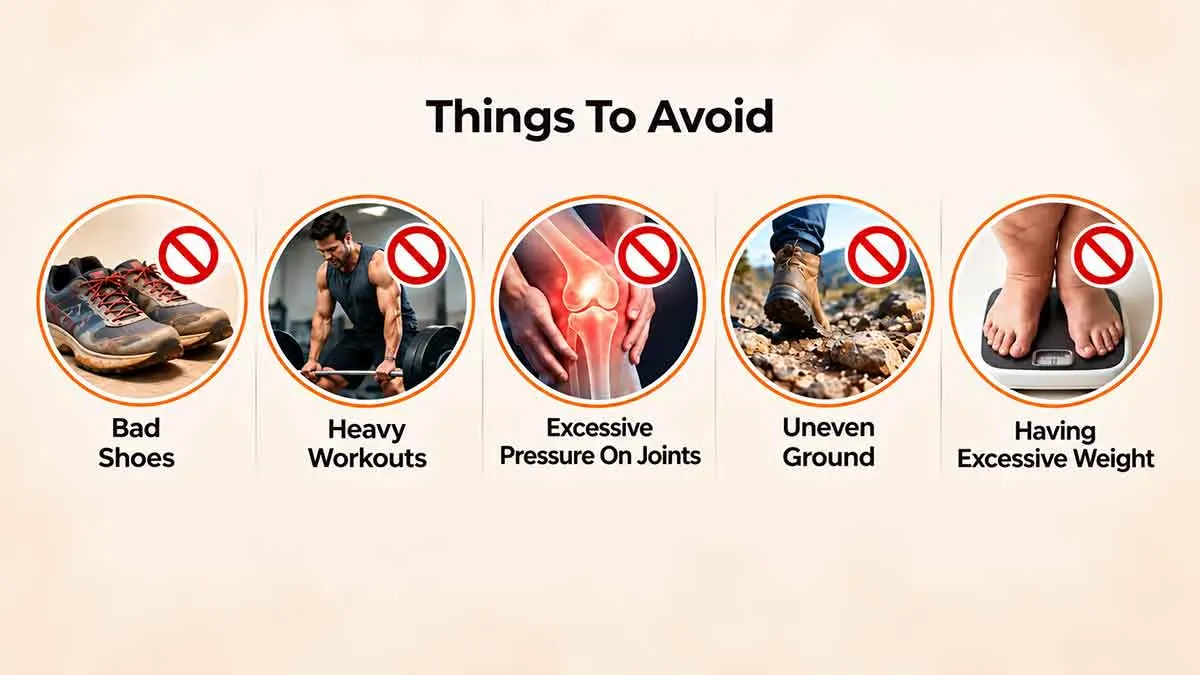
Bad shoes: Do not wear high heels or shoes that are uncomfortable because they can ruin your balance.
Heavy workouts: While your knee is unstable, avoid activities that trigger buckling, including jumping, rapid turns or unsupported deep squats. Follow a tailored rehabilitation plan that gradually develops strength and control.
Putting excessive pressure on the joints: Mild discomfort during rehabilitation does not always indicate damage. Stop or modify an exercise if it causes sharp pain, buckling, increasing swelling or a marked worsening of symptoms.
Uneven ground: Avoid walking on uneven or rough ground where your foot can slip and trigger a buckle.
Sudden Turns: When you walk on a road or ground, do not take sudden turns as it can affect knee lateral stability.
Having excessive weight: If you are overweight, discuss gradual, sustainable weight management with your healthcare professional to help reduce the load on your knees.
Stop Signs & Medical Review
While gentle movement and Ayurvedic care are highly effective, our body gives certain warning signs that should not be ignored and need medical attention:
You have severe swelling, redness, and puffiness in your knee joint.
Your knees can not straighten fully.
You have repeated episodes of buckling, near-falls, and ongoing instability climbing stairs and walking on uneven ground.
You have visible joint deformity.
You can't bear your own weight, and your legs start shivering when you stand up.
Seek urgent assessment if you cannot bear weight, your knee locks or cannot straighten, it becomes badly swollen or changes shape, or it is hot and red with fever or feeling unwell.
Knee buckling happens when your leg suddenly loses support and feels like it is giving out while you put weight on it.
You can improve knee stability by strengthening the muscles that support the joint.
Yes, knee instability can often be fixed or significantly improved with the right non-surgical care or surgery, depending on what is causing the problem.
Knee instability can take anywhere from 1 to 6 weeks for mild sprains to 6 to 12 months for severe ligament tears or surgeries.
It is not safe to keep walking if your knee repeatedly gives out, because sudden buckling can cause a dangerous fall or worsen internal joint damage.
Find Jiva Ayurveda Clinics for Arthritis Treatment Near You

 Published on 12 Sep, 2026
 Updated on 13 Oct, 2026