Diabetes, arthritis, skin disorders & more! Get a free consultation with Top Ayurveda doctors - +91 9266714040 | No travel, No waiting – Consult Jiva’s doctors from home via video call! | Get up to 10% OFF! On Authentic Ayurveda Products! Best Prices only on the brand store. Visit : www.store.jiva.com
You find sitting on the floor for meals, daily prayer, or even playing with kids very difficult. You find it impossible to get up from a low sofa or a car seat because your knees become stiff and painful to bend after sitting for long hours on them. Most of the work we do requires sitting or bending, but it becomes impossible because of weak joints and even muscles.
This guide is for someone who wants a safe, natural way to slowly get flexibility back without causing a sharp, pinching pain in your joint. The simple lifestyle adjustments and Ayurvedic tips below will help you get your muscle and joint flexibility back.
Why Does the Problem Occur?
Squatting involves deep knee bending, while sitting cross-legged also requires hip mobility. Either position may be uncomfortable if you have pain, stiffness, or restricted movement. If you know that your joints are already damaged by arthritis, this bend aggressively squeezes the right bones together under your full body weight. Deep knee bending increases the load on parts of the knee and may aggravate pain in some people with arthritis. Discomfort does not necessarily mean that cartilage is being damaged.
In Ayurveda, a stiff knee that refuses to bend is a sign of imbalance in Vata energy, which is the controller of air and movement in the body. From an Ayurvedic perspective, joint dryness and stiffness may be associated with aggravated Vata. These traditional concepts form part of an individualised Ayurvedic assessment. When you try to fold a dry and stiff joint, it causes deep, sharp pain, feeling like it might snap. Another important factor that contributes to the knee pain is the Ama, which is a heavy, sticky, and toxic waste caused by weak digestive fire, Agni. Ama is associated with impaired digestion and may be considered when assessing joint discomfort.
Immediate Practical Modifications
You don't have to force yourself through the pain. Here are a few changes you can make to take the deep pressure off your knees:
Raise your seat: Stop sitting directly on the hard floor. Use a thick folded bedsheet or a firm, high cushion to raise it higher. This helps prevent the knee from bending too tightly.
Use a chair instead: For a little while, try to eat your meals or do your daily prayers sitting on a comfortable and supportive chair instead of forcing a floor stretch.
Push with your hands: While getting up from a low chair or sofa, always slide forward to the edge of the seat first. Put your hands on the armrest and push your body weight up with your arms, not just your weak legs.
Stretch your legs out: If you have to sit on the floor, do not cross your legs tightly. Keep your painful leg stretched out comfortably in front of you.
These changes can help remove the pressure from your knees and help you recover steadily.
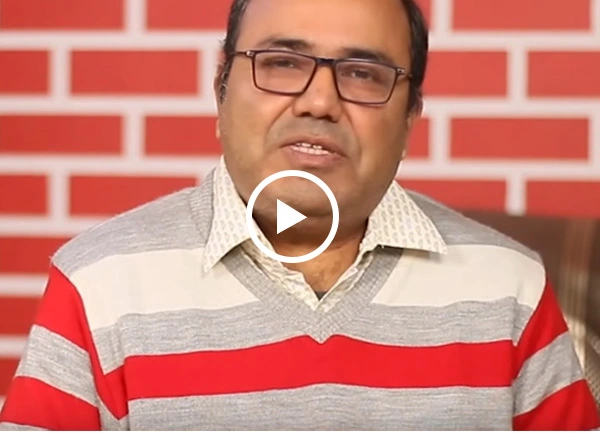
My name is Dinesh Chandra Baghel. I am 61 years old, and for the last two years I had been suffering from severe joint pain and had difficulty in walking and moving around. I consulted an orthopedic doctor who advised me to undergo immediate surgery. However, I later came to know about Jiva Ayurveda and visited their Lajpat Nagar center, where I met Dr. Sikandar. He started my Panchkarma treatment along with medicines. Within two months, I experienced significant relief and now I am able to walk and move comfortably.
I humbly request everyone to visit Jiva Ayurveda at least once.
Thank you, Jiva Ayurveda.
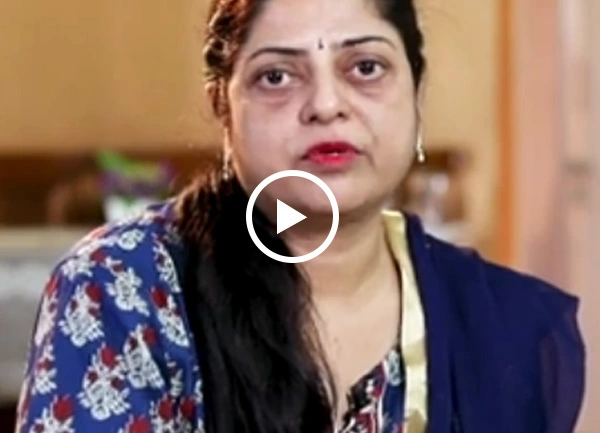
I took panchakarma sessions here and it helped in relieving my pain because of rheumatoid arthritis. I was personally attended by Parvati who is very professional, helpful and knowledgeable in her work. The experience was great and worth it.
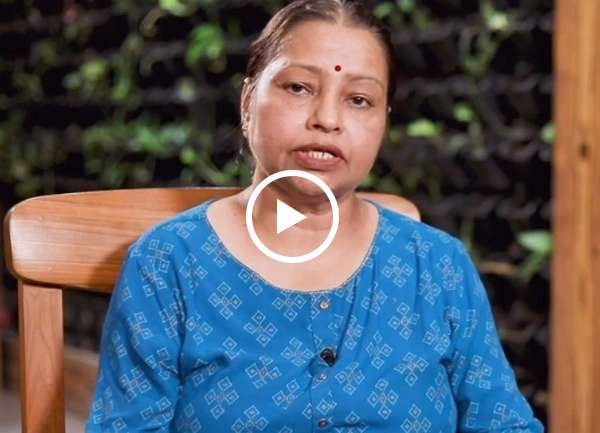
my name is suman singh
I am suffering from arthritis.
I am going to jiva ayurveda alpha clinic
Dr Advised me Panchkarma and Medicine. I am starting medicine i got relief for 2 months medicine and Panchkarma setings
Dr & Staff is very good also Panchkarma therapist.
thanks, jiva ayurveda.
Patient Success Stories
Step-By-Step Safe Routine
To safely get your knees to bend again and build knee strength, follow this simple routine and make necessary changes so that your knees can go back to normal:
Step 1: Warm Oil Massage (Snehana)
An Ayurveda practitioner may recommend gentle oil massage as supportive care. Use comfortably warm oil and avoid massaging a knee that is hot, swollen, injured, or has broken skin. It will help reduce the pain and let you do your normal day-to-day activities.
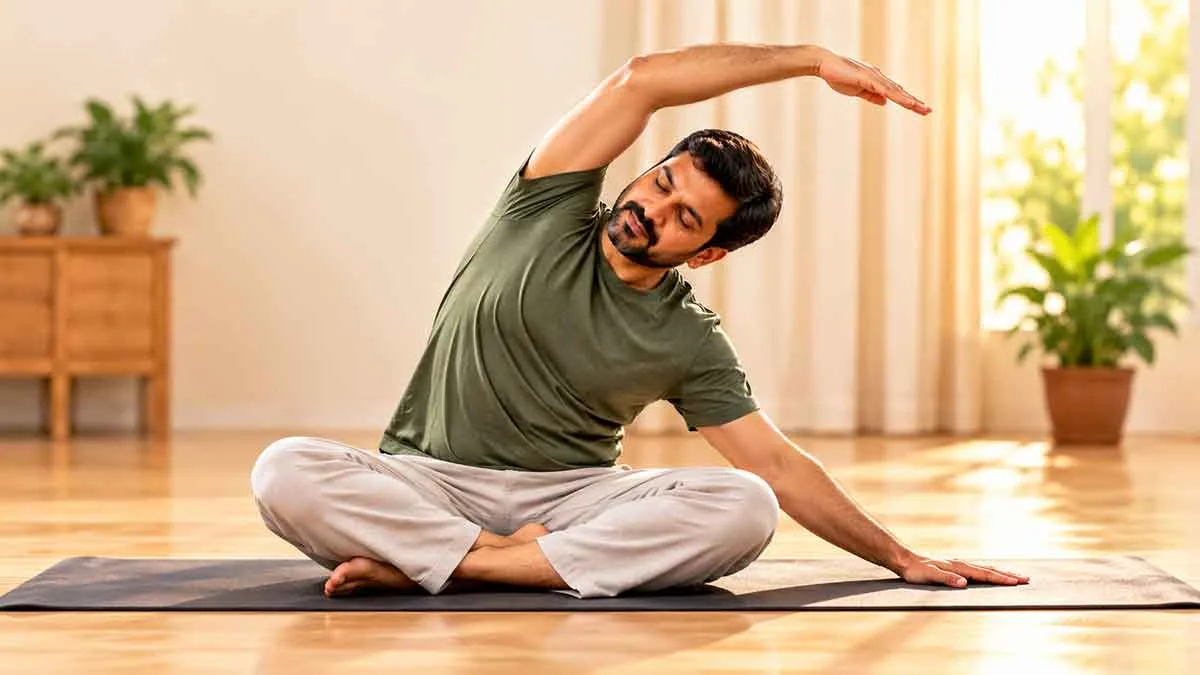
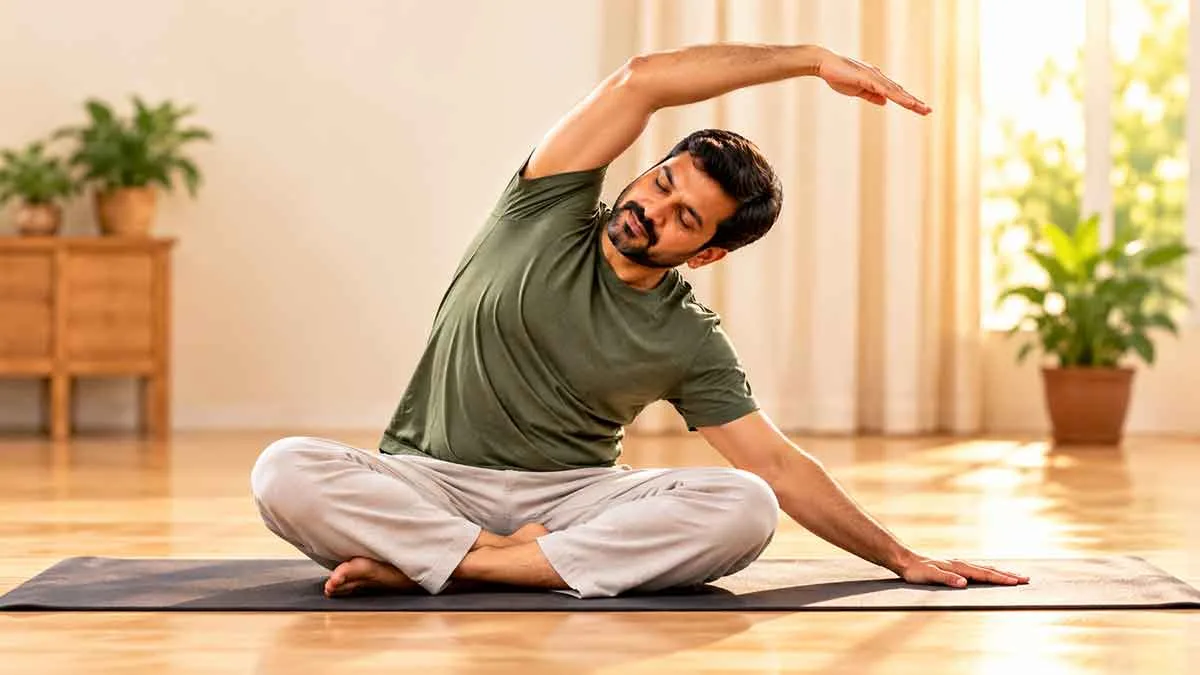
Step 2: Gentle Warm-Up (Sukshma Vyayama)
Do a gentle warm-up before doing any work or heavy workout; it will help open the stiff muscles of your joints and will help pump fresh blood and oxygen into the joints. You can do a gentle warm-up in the morning; this helps wake your sleepy muscles and joints.
Step 3: Straight Leg Lifts
Lie on your back, bend one leg and keep the other straight. Keep the thigh muscles tight and raise your straight leg 6 to 8 inches off the ground. Hold this position for 3-4 seconds and then slowly lower the leg back down. Do 2-3 sets of 10 reps each leg daily.
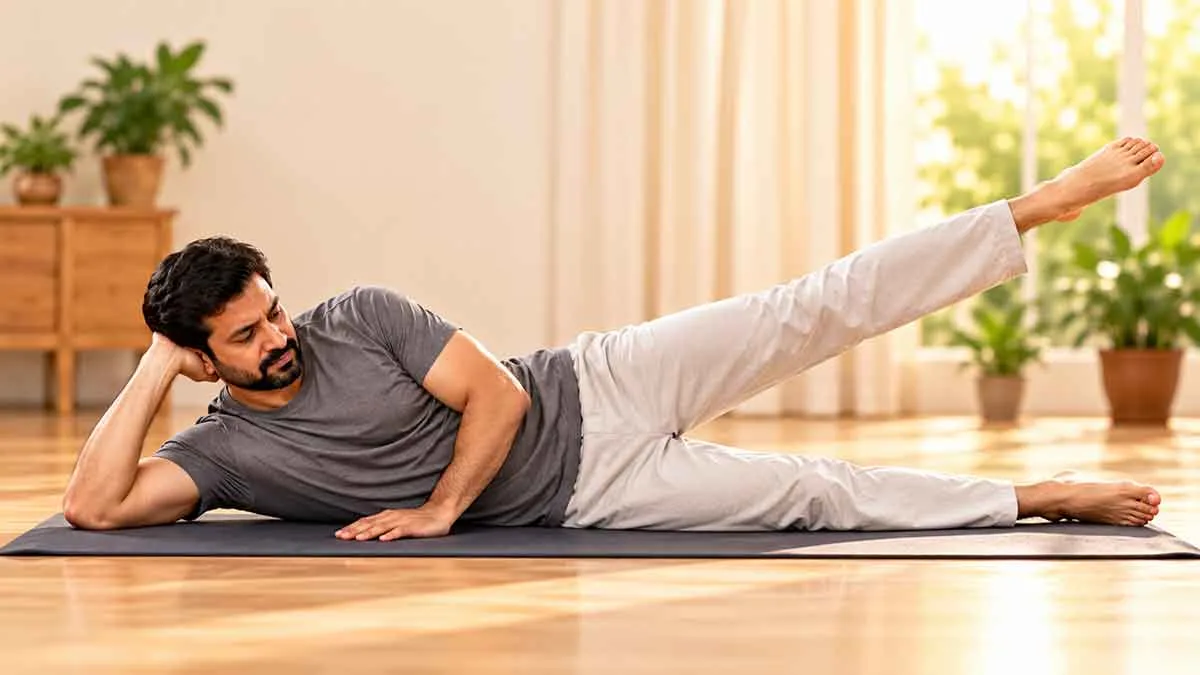
Step 4: Side-Lying Leg Lifts
Lie on the floor on your side with your legs straight. Cross your top leg over and place your top foot flat on the floor. Then raise your bottom leg 6-7 inches from the floor. Hold this position for 5 seconds and then slowly lower your leg. Repeat 10-12 times on each side.
Step 5: Healing Heat (Swedana)
When you are finished with exercises, place a warm heating pad or hot water bottle on your knee for about 10 to 15 minutes. Comfortable warmth may temporarily ease stiffness and muscle tension, but it does not push oil into the joint. Wrap the heat source in a towel and avoid applying heat to a hot, swollen knee.
Progression and Pacing
Getting your knee to fold like before takes time. Start with very small steps because if you start with heavy workouts and push yourself beyond your capacity, then it will only make your knees weaker. If you have knee arthritis, then you have to be patient, stay consistent, and build a lot of mental strength. Start with gentle workouts and go slow. Difficulty squatting or sitting cross-legged can have several causes, including joint stiffness, muscle weakness, or arthritis. Arrange an assessment if it persists, worsens or limits your daily activities. With patience and the right care, your knee pain can be pacified, and you can see gradual improvement.
What To Avoid When You Feel Difficulty While Squatting or Sitting Cross-Legged?
Some things must be avoided to prevent knee pain when you squat or sit cross-legged, because they can increase the pain, making the condition worse:
Doing high-impact exercises: Exercise loads should suit your symptoms and ability. Appropriately prescribed strength training can strengthen the muscles supporting your knees; reduce or modify exercises that worsen your pain.
Knee-dominant transitions: Avoid sitting or standing by forcing all your weight on your knees. Try to do these movements with the help of someone or use your hips to bend down.
Low or unsupportive seating: Avoid sitting on low sofas, deep chairs, or soft couches because they require your knees to sit higher than your hips.
Remaining in one position for too long: Avoid remaining in one position for hours; it will only make your knees stiffer. Try to take breaks every 20-30 minutes to give your knees a change so that they don't get stiff.
Sitting on the floor: Avoid sitting cross-legged on the floor or kneeling too much; it will put a lot of pressure on your knees, making them weak and causing pain.
Following these steps can help reduce knee pain and support joint and muscle health gradually. But keep in mind that you don't have to push yourself much; be slow and gentle with yourself.
Stop Sign & Medical Review
While Ayurvedic remedies are highly effective and help in managing the joint pain well, there are still some warning signs that must not be ignored:
If bending your knee causes sharp pain or painful grinding..
If you have swelling and puffiness in your knees.
If you lose your stability frequently.
If you have knee pain that doesn't go away even after rest.
If you are not able to stand up after sitting for hours in the same position because of the severe pain.
If you have body pain along with joint pain.
Seek medical review for persistent pain and swelling or difficulty with daily activities. Seek urgent assessment if you cannot bear weight or move your knee, it locks or gives way, it becomes severely swollen or changes shape, or it is hot and red with fever.
Walking is highly advisable for osteoarthritis because it is a low-impact exercise that lubricates joints, strengthens supporting muscles, and reduces pain.
Yes, doing too much walking can make arthritis worse by overstressing the joints, triggering painful flare-ups, and worsening muscle imbalances.
Regular exercise is generally better than rest for managing arthritis, as long as you balance activity with proper downtime.
Squats are not inherently bad for arthritic knees, and when done correctly, they are a powerful tool to build leg strength and reduce joint pain.
No, squats are not bad for your joints when you use proper form and build up strength safely
Find Jiva Ayurveda Clinics for Arthritis Treatment Near You

 Published on 12 Sep, 2026
 Updated on 13 Oct, 2026