
Successful Treatments
Clinics
Doctors
Arthritis Flare Management
 Published on 19 Sep, 2026
 Updated on 08 Oct, 2026

Explore Living With Arthritis
- Home / Diseases & Ayurveda / Joint & Muscle Pain / Ayurvedic Treatment For Arthritis / Living With Arthritis: Work, Stairs and Flare Management / Arthritis Flare Management
What Arthritis Flare Management May Mean
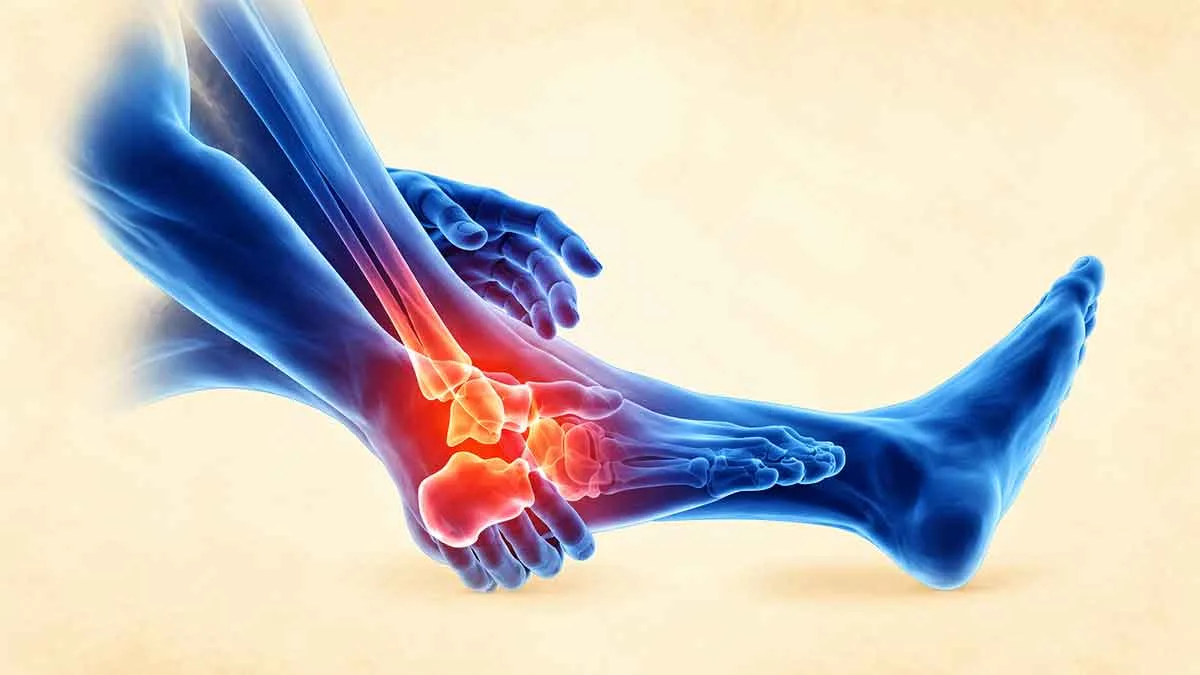
An arthritis flare is a sudden spike in joint pain, stiffness, and swelling. Flares are rarely accidental and are often triggered by pushing a joint past its physical limit, getting poor sleep, or experiencing high mental stress.
Managing a flare simply means taking back control with a prepared, calming plan. It is about recognizing the very first warning signs of a flare before it reaches its peak. Rather than panicking or forcing the joint to behave normally, management involves understanding that a flare is a temporary state of heightened inflammation.
It also means recognising personal patterns to prevent future pain and knowing the difference between a normal flare and a more serious problem. Ultimately, flare management is about working patiently with your body during its most sensitive times and trusting that it can be guided back to its normal manageable baseline.
Common Patterns And Triggers
Flares rarely happen accidentally. There is almost always a hidden reason or trigger that may be causing flare-ups in your joints. By learning to recognize these common patterns, you can take the right step towards preventing them in the future:
- Pushing yourself more than your limit: Doing intense physical activity without enough rest can quickly drain your joints’ tolerance and cause severe swelling.
- Poor sleep habits: Your body needs deep rest to repair itself. Without enough sleep, the nervous system stays on high alert, making joints extra sensitive.
- High mental stress: Stress releases chemicals in your body that can directly increase inflammation and cause your muscles to tighten painfully around your joints.
- Changes in the weather: Sudden drops in temperature, cold dampness, or rapid shifts in air pressure can physically change the pressure inside your joints, leading to deep stiffness.
- Unhealthy food choices: Eating highly processed foods, sugary items, or certain inflammatory fats can increase the overall level of swelling flowing through the body.
- Common infections: Getting sick with a cold or flu forces your system to work harder, which can accidentally cam trigger more inflammation in your joints.
- Missing your treatments: Skipping recommended treatments or failing to follow your normal management routine gives inflammation a chance to return quickly.
Patient Success Stories
Other Possible Explanations
When your joints suddenly hurt more than usual, it is easy to assume it is just another arthritis flare. However, there can be other possible reasons for this sudden discomfort. Your pain might actually come from a small, unnoticed injury to a nearby muscle or tendon, rather than the joint itself. In other cases, a common viral illness or a general body infection can cause temporary inflammation that makes your joints ache deeply. This specific type of pain usually fades away completely once the illness leaves your system. Understanding that your discomfort might be coming from an outside source helps ensure you apply the right kind of care without unnecessary worry.
What You Can Do To Manage an Arthritis Flare
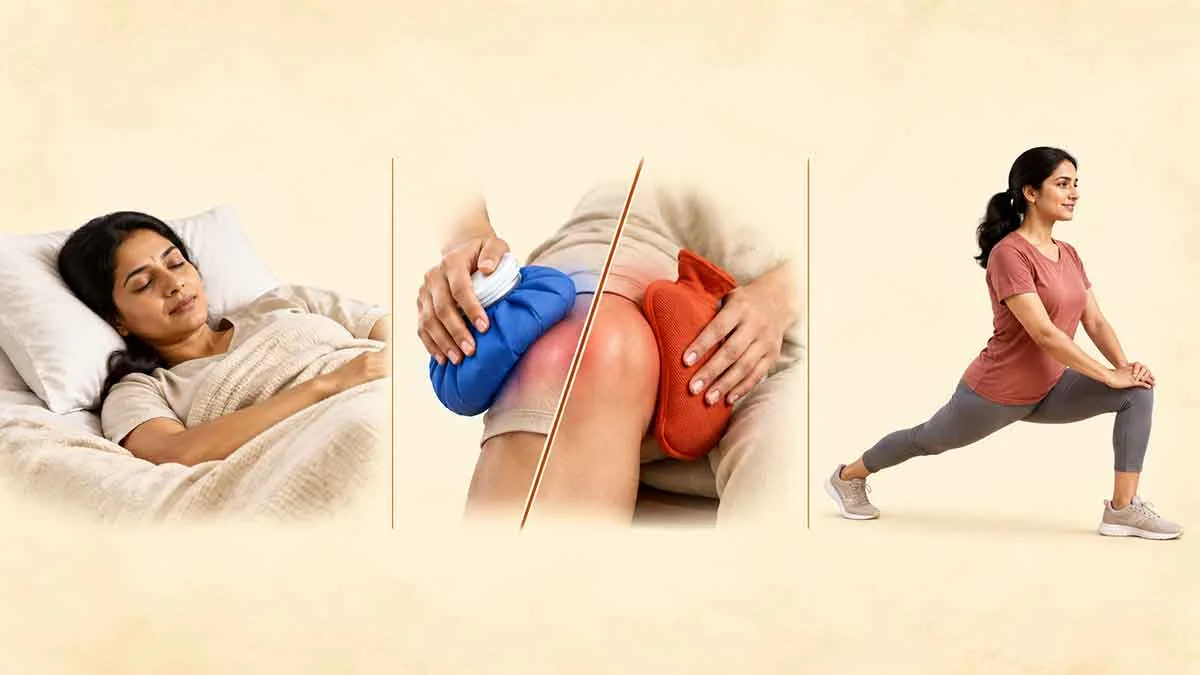
When a sudden flare comes up, your main goal must be to calm the joint pain and stop the irritation. Trying to push yourself through discomfort will only make the swelling or the pain more severe. Here are the immediate steps you can take:
- Take a full rest: If you face a flare-up, then give yourself a break and take a full day of rest. Remove all heavy weight and strain from your joint. Plan your day accordingly, and ask your family members to help you out with chores.
- Apply heat or cold: Match the treatment according to how your joints feel. If your joints feel hot, red, or swollen, then apply an ice pack to numb the sharp pain. If it feels deeply stiff or dry, then use a warm heating pad to relax the muscles.
- Move gently: Rest is indeed important, but do not just sit still on the sofa all day. It will only trigger the pain more. Try to do a bit of exercise or walk to keep yourself and your joints active.
- Elevate the area: If possible, prop the joint up slightly on a comfortable pillow to prevent heavy inflammatory fluid from pooling in the area.
How Is It Assessed?
If your flare-up does not improve with rest, then the doctor will carefully assess the joint to check what exactly is happening. They will ask you a few questions related to when the pain started and what movement makes it feel worse. They will gently press around the area to check for trapped heat, extra fluid, or tender spots along the bone. They will also ask you to straighten and bend the joint to check how much your natural movement is blocked by the swelling. Sometimes, they will ask you to do a blood test to check overall inflammation in the body and rule out any hidden problem.
When To Seek Medical Care
While most flare-ups can be easily managed at home with rest, there are some clear warning signs that require urgent medical attention:
- If your joint becomes bright red or hot to the touch.
- If you have a fever or chills along with joint pain.
- If you experience sudden or complete loss of movement.
- If your joints lock entirely into one position and refuse to bend.
- If your legs give up and cannot bear your body weight.
Do not try to mix this at home; see your doctor and seek medical help to ease the pain.
Related Jiva Guides
To understand your overall joint health and build a much stronger defense against future painful flares, explore these simple, related Jiva guides. Each guide is designed to give you easy, everyday steps to protect your body and manage your energy.
- Inflammatory Eating: A very simple look at fresh foods, healing herbs, and warm spices that naturally cool down your body and reduce deep internal swelling.
- Daily Routine: Balancing your daily chores and also taking deep rest to protect your physical energy and prevent a painful crash the next day.
- Gentle Movement: Safe, weightless stretches and slow motions are recommended to keep your joints naturally lubricated and smoothly gliding without causing any extra strain.
- Joint Protection: Easy ways to change how you lift, push, and carry daily objects so you can shift heavy burdens away from your small, fragile joints onto your stronger muscles.
- Calming Stress: Gentle breathing and relaxation exercises help reduce mental worry from physically tightening your muscles and anxiety triggering more joint pain.
- Restful Sleep: Simple nighttime habits to calm the nervous system, allowing your body to deeply repair itself and wake up with far less morning stiffness.
References
Insights Into the Concept of Rheumatoid Arthritis Flare - PMC
FAQs
A flare can last anywhere from a single day to a few weeks. The exact time depends heavily on how quickly you stop your heavy activities and start resting.
You should stop all heavy chores and intense exercise, but do not freeze completely. Keep doing very gentle, slow movements simply to stop your joint fluid from locking up entirely.
Your body uses a massive amount of internal energy to fight off sudden swelling. Feeling deeply tired is a completely normal part of the process, so you should rest without guilt.
Yes. Sudden drops in temperature, cold wind, or damp weather can physically change the pressure inside your joint space, making it feel instantly tight and painful.
It depends entirely on how the joint feels. Use a soft ice pack if the joint feels hot and swollen. Use a warm heating pad if the joint feels deep, tight, and glued shut.
Yes. High emotional stress forces your muscles to tighten painfully around your fragile joints and releases chemicals in your body that directly increase overall inflammation.
Never. Ignoring a flare and trying to push through the pain will only cause more damage and make the heavy swelling last much longer. Always stop and rest immediately.
While there is no instant magic cure, the fastest way to stop the pain from growing is to sit down, remove all weight from the joint, and apply temperature therapy right away.
Consult Experienced Ayurveda Doctors for Arthritis Flare Management









Our Happy Patients
-
 Sunita Malik - Knee Pain
 -
 Abhishek Mal - Diabetes
 -
 Vidit Aggarwal - Psoriasis
 -
 Shanti - Sleeping Disorder
 -
 Ranjana - Arthritis
 -
 Jyoti - Migraine
 -
 Renu Lamba - Diabetes
 -
 Kamla Singh - Bulging Disc
 -
 Rajesh Kumar - Psoriasis
 -
 Dhruv Dutta - Diabetes
 -
 Atharva - Respiratory Disease
 -
 Amey - Skin Problem
 -
 Asha - Joint Problem
 -
 Sanjeeta - Joint Pain
 -
 A B Mukherjee - Acidity
 -
 Deepak Sharma - Lower Back Pain
 -
 Vyjayanti - Pcod
 -
 Sunil Singh - Thyroid
 -
 Sarla Gupta - Post Surgery Challenges
 -
 Syed Masood Ahmed - Osteoarthritis & Bp
Diagnostic Marker
Blogs
- 3 Benefits of Golden Milk in Arthritis
- Jiva?s Ayunique Treatment for Osteoarthritis
- Early Diagnosis - The Key to Treating Arthritis
- Natural Options That You Must Try For Arthritis
- Panchakarma to Get Relief from Arthritis Pain
- How to Control Osteoarthritis in Old Age
- Relieving Osteoarthritis with the power of Ayurveda
- Simple home remedies for Rheumatoid Arthritis (Ama vata)
- Uses of Ginger to Get Relief from Arthritis
- Benefits of Turmeric in Controlling Arthritis
Home Remedies
Related Disease
- Ayurvedic Treatment for Ankylosing Spondylitis
- Ayurvedic Treatment For Cervical Spondylosis
- Ayurvedic Treatment For Arthritis
- Ayurvedic Treatment for Osteoarthritis
- Ayurvedic treatment for Gout
- Ayurvedic Treatment for Sciatica
- Ayurvedic Treatment for Rheumatoid Arthritis
- Ayurvedic Treatment for Frozen Shoulder
- Ayurvedic Treatment for Deep Vein Thrombosis (DVT)
- Ayurvedic Treatment for Achilles Tendon Disorders
- Ayurvedic Treatment for Rickets
- Ayurvedic Treatment for Ganglion Cyst
- Ayurvedic Treatment for Osteoporosis
- Get Ayurvedic Treatment for AVN Avascular Necrosis
- Get Ayurvedic Treatment For Osteomyelitis
- Cerebral Palsy Treatment in Ayurveda
Latest Blogs
- बच्चों में weekend sleep timing बदलना Monday mood को कैसे प्रभावित कर सकता है
- Is Fasted Intense Exercise a Good Idea for Every Woman
- Health Tracking Every Hour: Helpful Awareness Or Another Source Of Stress?
- फोन देखते हुए चलना सिर्फ accident risk नहीं—posture और breathing पर क्या असर पड़ता है
- Bloating Before a Period: Why Lifestyle Can Change How It Feels
- बहुत जल्दी खाना खाने से पेट भरने का signal देर से क्यों मिलता है
- ‘No Added Sugar’ Doesn’t Automatically Mean Low Sugar—Here’s Why
- Online meetings के बीच zero movement दिन के अंत में stiffness क्यों बढ़ाता है?
- Screen brightness और late-night work sleep readiness को कैसे बदलते हैं
- Warm Vs Cold Foods: How To Discuss The Ayurvedic Idea Without Turning It Into A Myth
- Noise-cancelling headphones घंटों पहनना mental fatigue को कम करता है या बढ़ा सकता है?
- Sugar-Free Biscuits: Better Choice Or A Health Halo?
- Why a Long Afternoon Nap Can Make Bedtime Surprisingly Difficult
- Scrolling While Eating: The Habit That Makes Meals Harder to Remember
- The Forward-Head Posture You Don’t Notice Until Evening
- Are Seed Mixes Useful—Or Just Easy To Overeat?
- Laptop on the Sofa: Why Neck and Hip Stiffness Show Up Later
- Why Your Eyes Feel Tired Even When Screen Brightness Seems Fine
- Is A Standing Desk A Complete Fix For Too Much Sitting?
- Why a Damp Bathroom Can Affect More Than Just the Walls
Ayurvedic Doctor In Top Cities
- Ayurvedic Doctors in Bangalore
- Ayurvedic Doctors in Pune
- Ayurvedic Doctors in Delhi
- Ayurvedic Doctors in Hyderabad
- Ayurvedic Doctors in Indore
- Ayurvedic Doctors in Mumbai
- Ayurvedic Doctors in Lucknow
- Ayurvedic Doctors in Kolkata
- Ayurvedic Doctors in Patna
- Ayurvedic Doctors in Vadodara
- Ayurvedic Doctors in Ahmedabad
- Ayurvedic Doctors in Chandigarh
- Ayurvedic Doctors in Gurugaon
- Ayurvedic Doctors in Jaipur
- Ayurvedic Doctors in Kanpur
- Ayurvedic Doctors in Noida
- Ayurvedic Doctors in Ranchi
- Ayurvedic Doctors in Bhopal
- Ayurvedic Doctors in Ludhiana
- Ayurvedic Doctors in Dehradun