Diabetes, arthritis, skin disorders & more! Get a free consultation with Top Ayurveda doctors - +91 9266714040 | No travel, No waiting – Consult Jiva’s doctors from home via video call! | Get up to 10% OFF! On Authentic Ayurveda Products! Best Prices only on the brand store. Visit : www.store.jiva.com
If you are dealing with that sharp, shooting pain down your leg or constantly waking up with a tight lower back, these movements can help you. They work well for anyone ready to safely rebuild strength and flexibility after a nerve flare-up without making things worse. Maybe you just spent a few days resting and finally feel ready to start gently moving again. Or, you want to strengthen your core and hips so the pain stops returning every time you sit at your desk for too long. Just keep in mind, these exercises are meant for natural recovery, not medical emergencies. If you suddenly cannot lift your foot, lose your balance, or feel entirely numb, skip the exercise and see the doctor.
Why The Problem Occurs
Sciatica happens when the longest nerve in your body gets physically squeezed, trapped, or irritated. Most of the time, this starts in the lower back when a slipped disc bulges out and crushes the nerve root, or when the deep muscles in your hips cramp up tightly around it. Everyday habits like sitting still for hours, lifting heavy items without bending your knees, or just the natural wear and tear of ageing slowly build up this pressure.
In Ayurveda, this sharp pain is the classic sign of aggravated Vata dosha in the body. When your body experiences too much movement, your lower back loses its natural lubrication. This causes the surrounding muscles and spine joints to become dry and stiff, eventually creating a tight, freezing knot that chokes the delicate nerves and sends that electric shock down your leg.
I was suffering from sciatica since 2025 and Doctors prescribed me for surgery but I believe in ayurveda and came here to consult with Dr Bhawna , she advised me 14 days panchakarma treatment. After 14 days panchakarma. I stayed here for 14 days and got 90% relief in my symptoms. I thankful to Dr Bhawna and team to cure me.
Thank you Lalita, Preeti, Naina and Tanuja who give me thefalies and personal care.
Reception staff was also very coperative.
Immediate practical modifications
When your nerve is acting up, you do not have to stop moving completely, but you must change how you move. Making a few simple adjustments keeps your body active while deeply protecting your sensitive back from sudden pain.
Here are the most practical ways to instantly modify your daily routine to stay safe:
Wear good shoes: If you have sciatica, then the first thing you must do is wear good, comfortable shoes with a nice arch and shock absorption, as they can help reduce the spinal impact that increases sciatica pain.
Always warm up: This is the most important step that one must do before doing any exercises. Warming up before exercise helps prevent further irritation to the sciatic nerve by increasing blood flow and reducing stiffness in the body.
Use the floor: If you are not able to exercise while standing because of the discomfort, then it is completely right to use the floor. Use a good, thick mat, and you can then do some exercises while lying on the floor.
These practical modifications can help in making the healing journey more gentle and easier for you.
Exercises To Do When You Have Sciatica
Well, sciatica is a condition in which a person suffers a lot because of the pain caused by the sciatic nerve. With medication and therapies, doctors also suggest gentle exercises that a person can do for a better healing journey.
Below are some of the exercises that can help:
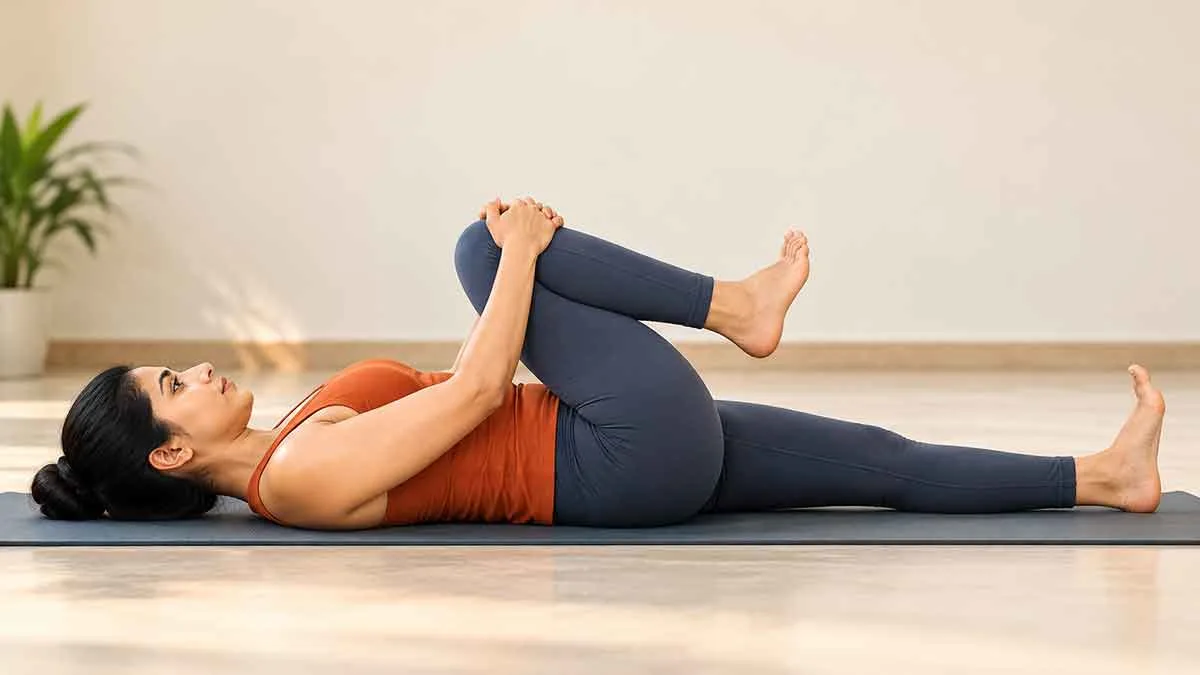
Knee to Chest Stretch
Lie on your back with both knees bent and feet flat. Slowly pull one knee towards your chest using your hands. Hold this comfortable position for thirty seconds to safely stretch your lower back and relieve pressure on the trapped nerve. Lower it gently and switch legs.
Figure Four Stretch
Lie on the floor with your knees bent. Cross your painful leg over the other, resting your ankle on the opposite knee. Gently pull your uncrossed leg towards your chest. This quickly releases the tight muscle knot deep in your hip that often squeezes the sciatic nerve.
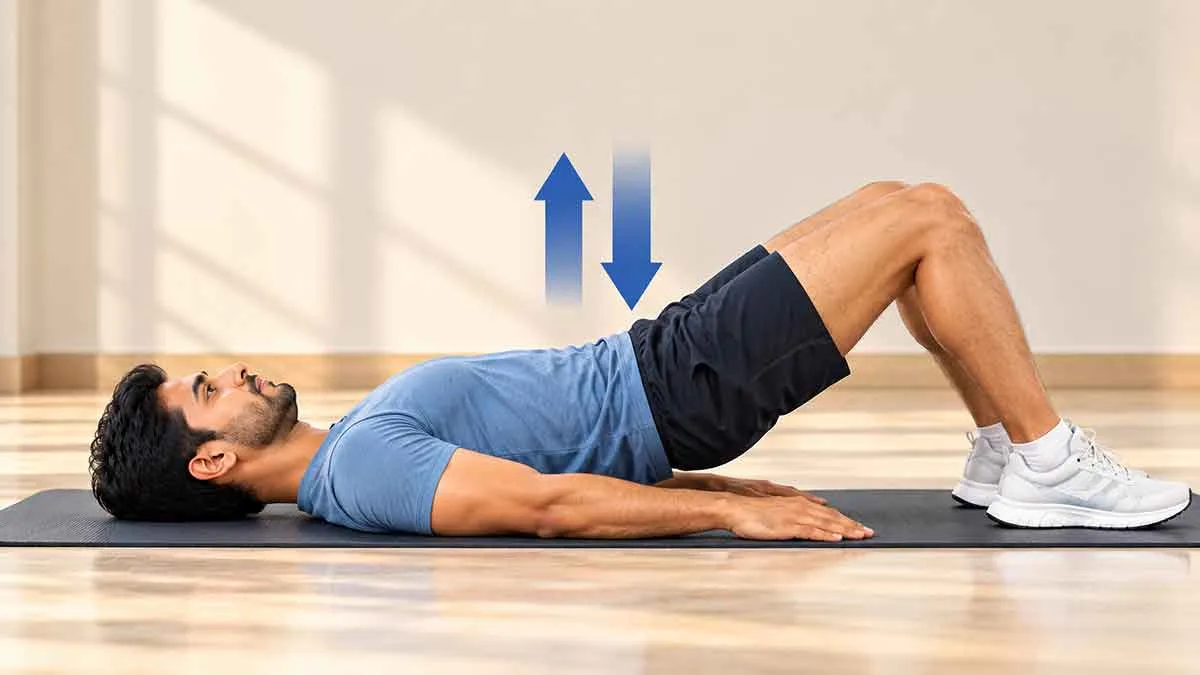
Pelvic Tilt
Lie flat on your back with your knees bent and feet on the floor. Flatten your lower back tightly against the ground by gently tightening your stomach muscles. Hold this squeeze for ten seconds, then relax. This safely builds core strength to support your spine without moving your back.
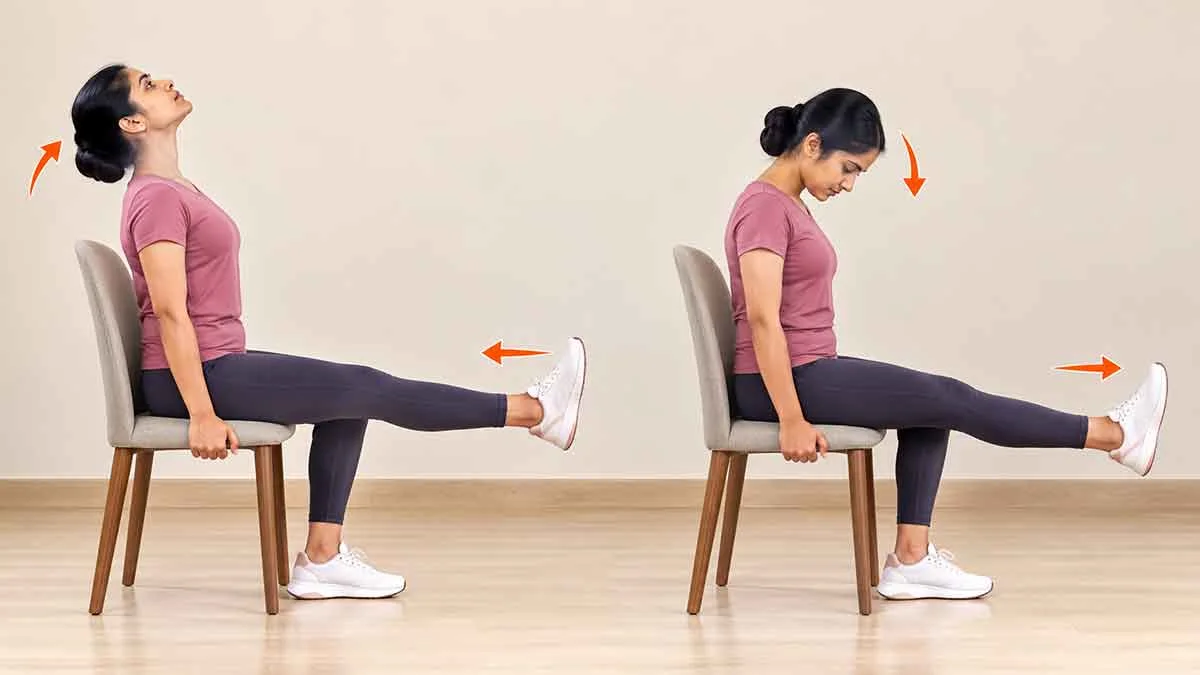
Seated Nerve Glide
Sit upright in a firm chair. Slowly straighten your painful leg out in front of you while looking up at the ceiling. Then, bend your knee back down while tucking it to your chest. Moving slowly like this gently freezes the trapped nerve without aggressively stretching it.
Progression And Pacing
When pacing your exercise routine, the most important rule is to start small. Begin with just five to ten minutes of light movement, like a short walk or simple floor stretches. Once you finish, wait a full day to see how your back and legs react. If you wake up the next morning feeling fine, without any sharp shocks or lingering tightness, you can safely add a few more minutes to your next session. Focus entirely on building a steady, pain-free daily habit. Rushing to move faster or lift heavier items will instantly recreate the physical pressure that trapped your healing nerve in the first place.
What To Avoid
While exercising with sciatica, knowing what to skip is just as important as knowing what to do. Certain movements instantly squeeze the spine or aggressively pull the sensitive nerve, which can quickly turn a mild ache into a severe flare-up. To keep your lower back safe and give the nerve room to heal, you must completely avoid these specific actions:
Pushing yourself in pain: If you have constant pain or you get a flare-up while working out, ignoring it might result in severe damage to the sciatic nerve. So never push yourself beyond your capacity.
Twisting your spine: If you are dealing with sciatica, exercises that involve twisting the spine too much can cause pain. So avoid all the movements that involve your spine.
High-impact exercises: Jogging, running, or heavy cardio can pull your nerve, causing intense, shooting pain in the lower back. Avoid such heavy workouts for better healing.
For better recovery and relief, one must avoid the things that can only trigger the pain more and make the sciatica problem worse.
Stop Signs And Medical Review
While gentle movement is absolutely fine for your lower back, there are certain warning signs that shouldn't be ignored:
If you experience severe muscle weakness.
If your legs feel completely numb.
If your sciatica symptoms become worse and you don't feel any relief even after rest.
If you experience sudden loss of bladder or bowels.
If you feel pain in your groin area.
The above signs must not be neglected and need urgent medical attention.
Start with the gentle Knee-to-Chest stretch while lying flat on your back. It safely opens your lower spine and instantly relieves pressure on the trapped nerve without any strain.
Never. If any movement causes a sharp, electric shock to shoot down your leg, stop immediately. Sciatica exercises should only ever feel like a mild, comfortable stretch.
Yes, short and slow walks are excellent. Walking pumps fresh blood to your injured nerves and stops your supporting back muscles from becoming stiff and completely frozen.
No. Heavy lifting puts a crushing, downward weight directly on your injured spinal discs. Avoid these exercises completely until your back is fully healed.
Doing just ten minutes of slow stretching every day is much better than one long, exhausting workout. Daily consistency naturally keeps your tight Vata energy calm.
Your joints rest and dry out overnight, increasing cold stiffness. Taking a warm shower before your morning stretches helps safely melt away this tension.
If your leg feels deeply numb or rapidly loses strength after exercising, the nerve is severely trapped. Stop moving immediately and get professional help. Check our diagnosis page for more details.
Find Jiva Ayurveda Clinics for Sciatica Treatment Near You

 Published on 01 Oct, 2026
 Updated on 21 Oct, 2026