Diabetes, arthritis, skin disorders & more! Get a free consultation with Top Ayurveda doctors - +91 9266714040 | No travel, No waiting – Consult Jiva’s doctors from home via video call! | Get up to 10% OFF! On Authentic Ayurveda Products! Best Prices only on the brand store. Visit : www.store.jiva.com
Managing diabetes within an indian dietary context requires balancing a traditionally carbohydrate-heavy food culture with the metabolic need for blood sugar stability. An effective diabetes diet is not about severe deprivation or abandoning Traditional meals: it is about strategic combinations, controlled portions, and modifying the quality of ingredients. The primary objective is to maintain steady blood glucose levels throughout the day while ensuring adequate nutrition, energy, and digestive health.
Diet Goals And Plate Structure
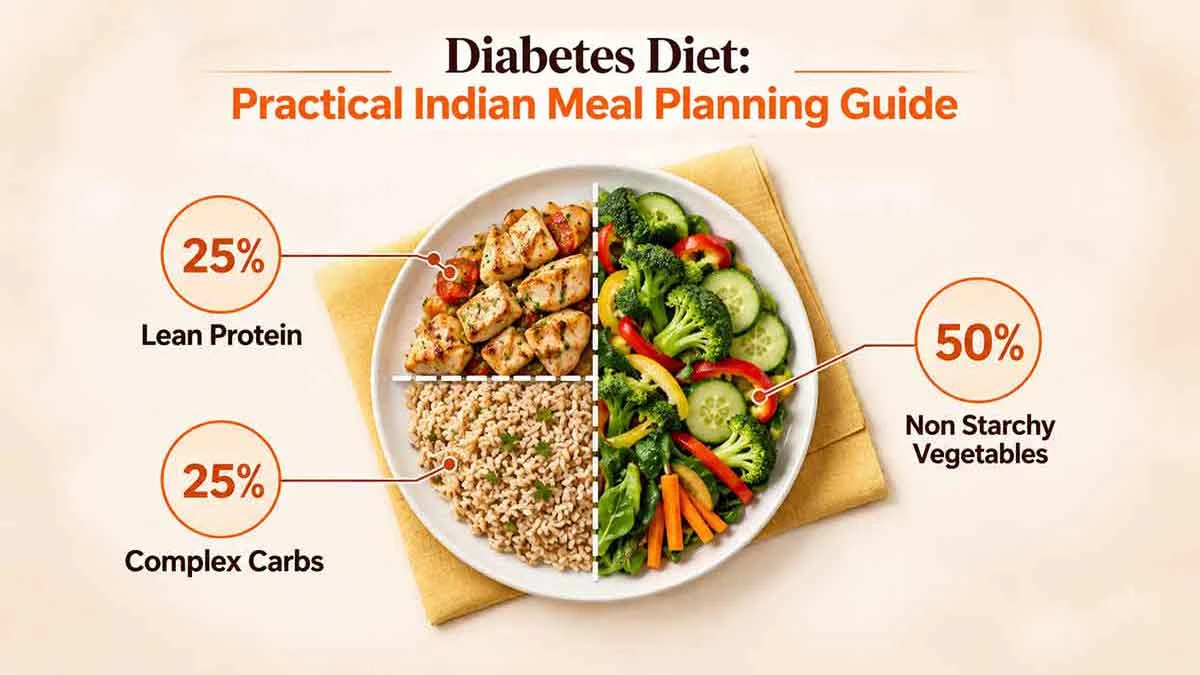
A useful meal plan accounts for your food preferences, portions, medicines and individual blood glucose response. The core goals are to prevent post-meal hyperglycemia (sugar spikes) and avoid hypoglycemia (drop in sugar). The easiest way to achieve these goals without obsessively counting calories is the plate method:
50% Non-Starchy Vegetables: Half of your plate should consist of fiber-rich vegetables like bhindi (okra),lauki (bottlegourd), karela (bittergourd), palak (spinach), and cabbage, etc. These provide essential micronutrients and bulk without significantly raising blood sugar.
25% Complex Carbohydrates: 25% of the plate must have high-fibre grains. This includes whole wheat, millets (jowar, bajra, and ragi), brown rice, and oats.
25% Lean Protein: the final quarter must include protein, which helps stabilize blood sugar and promotes satiety. Options include whole dals, rajma, chana, paneer, tofu, etc
Carbohydrate Quality, Fibre, Protein And Fat
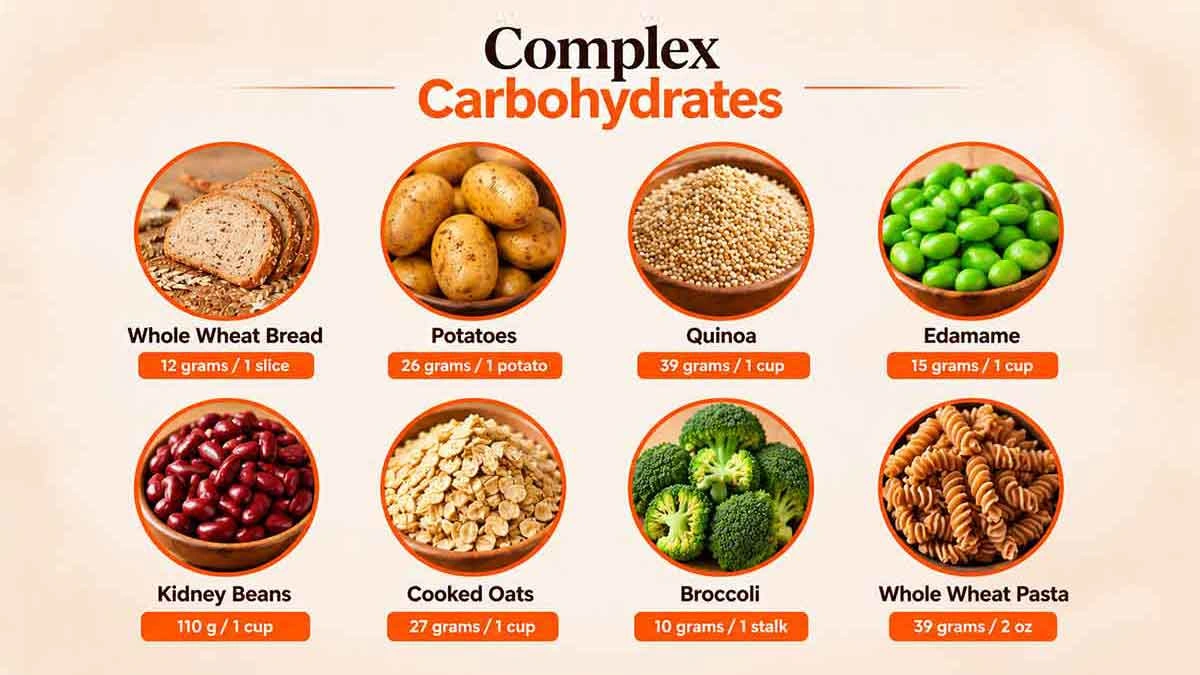
Carbohydrates have the most immediate impact on blood glucose. The focus must shift from refined, simple carbohydrates (maida, white sugar, polished white rice) to complex carbohydrates. Complex carbs have a lower glycemic index (GI), meaning they break down more slowly.
Fibre
It is the most critical component here. Aim for whole grains, vegetables with their skins, and whole legumes.
Protein
Protein is the anchor of a diabetic diet. Unlike carbohydrates, protein has a minimal and highly delayed effect on blood sugar. More importantly, eating protein alongside a carbohydrate blunts the expected glucose spike. Protein also triggers satiety hormones, keeping you full and preventing overeating; Including protein with meals can help make them more satisfying. Whether you need a snack and what it should contain depends on your routine, hunger and diabetes medicines.
Healthy fats
Fats slow down gastric emptying, which further delays the rate at which carbohydrates are converted into glucose. However, the type and quantity of fat matter. Opt for monounsaturated and polyunsaturated fats found in mustard oil, olive oil, almonds, walnuts, and seeds (flax, chia, pumpkin). Ghee is beneficial for digestion and joint health in Ayurveda but must be used in strict moderation (1,2 teaspoon a day) due to its caloric density. Avoid trans fats found in reused frying oils and packaged bakery items entirely.
Portion And Meal-Timing Principles
When you eat and what you eat both are important as what you eat. Erratic eating schedules confuse the body’s insulin response and disrupt the natural digestive rhythms (Agni).
Maintain a consistent schedule, eating meals at roughly the same time every day.
If you use insulin or medicines that can cause low blood glucose, discuss meal timing with your diabetes care team. For others, a meal schedule should fit their appetite, treatment and daily routine. Use the Indian katori (bowl) system for built-in portion control. Instead of serving food directly onto a large thali, measure your rice, dal, and sabzi in standard-sized katoris.
Ayurveda encourages mindful eating and avoiding uncomfortable fullness. Your meal size and timing should also account for your medicines, activity and blood glucose patterns.
Indian breakfast, lunch, dinner and snack framework
Structuring your day requires a balance of tradition and nutritional science. Focus on combining food groups rather than eating carbohydrates in isolation.
Breakfast for Diabetes
Indian breakfasts like upma, poha, and parathas are often carbohydrate-heavy and cause rapid morning sugar spikes. Adding protein and fibre to your first meal is critical for setting your blood sugar stability for the entire day.
Lunch and Dinner
Apply the plate method strictly here. Start your meal with a portion of raw salad dressed with lemon juice. Including salad or other non-starchy vegetables can add fibre and help you build a balanced meal. Follow the salad with your protein (dal or paneer) and cooked vegetables, and eat your carbohydrates (roti, rice) last. Keep dinner lighter than lunch, as the body’s metabolism naturally slows down in the evening.
Snacks For Diabetes
Bridging the gap between major meals prevents severe drops in blood glucose and carb overeating at dinner. However, traditional indian snacks are often deep-fried or unhealthy; skip packaged namkeen and biscuits (including those labeled sugar-free, multigrain, or digestive). Instead, choose snacks that pair protein with fiber. Excellent options include a small bowl of roasted makhana (fox nuts) tossed in half a teaspoon of ghee and black pepper, roasted chana (chickpeas), a handful of unsalted almonds and walnuts, or a sprout chaat made from boiled green moong and onions and tomatoes. Even with healthy snacks, portion control is vital; a snack should fit into the palm of one hand.
I have had diabetes for the last 10 years and was on allopathic medicines, but my sugar levels kept increasing day by day. For the last 6 months, I had no energy at all.
Then I heard about Jiva Ayurveda from a friend. I consulted them over the phone and started their medicines, diet chart, and yoga therapy. Within a week, I started feeling more energetic, and after 2 months of treatment, I feel full of energy again at the age of 62.
Thank you to the entire team for the timely guidance, patiently solving my queries, and for the good behaviour and support throughout the treatment.
I would like to express my deepest gratitude to the Jiva Ayurveda team for their exceptional care and guidance throughout my Diabetes Care Plan journey.
My sincere thanks to Dr. Pushpendra Shukla for his expert diagnosis, thoughtful treatment approach, and the confidence he instilled in me from day one. I’m equally grateful to Health Coach Swati and Nutritionist Mansi, whose constant motivation, personalized attention, and practical lifestyle advice made a world of difference. Their guidance kept me consistent, positive, and fully committed to the process.
Thanks to their collective efforts, my sugar levels are now stable, and my overall health and energy have improved tremendously. I feel healthier, lighter, and more in tune with my body than ever before.
This program has been a truly transformative experience — not just physically, but mentally and emotionally as well. I deeply appreciate the compassion, professionalism, and dedication shown by the entire team.
Thank you, Jiva Ayurveda, for helping me rediscover balance and wellbeing through the power of Ayurveda.
Warm regards,
Kuldeep Bhardwaj
Firstly, I am thankful for jiva greater noida clinic.
i have diabetes, severe pain in left shoulder and acidity problem since 2 years. i have taken lots of allopathic medicines but no relief, then i visit jiva greater noida clinic, where i have consult with Dr. Sikandar, i have taken 5 months medicines and follow diet chart as per directed by the doctor. Currently, i am almost cured, but i have taken one month extra medicine for complete relief.
thank you all staff for reminding me to followup with doctor time to time, also impressed with your management system.
Foods To Choose More Often And Limit
A meal plan focuses on abundance rather than just restriction. Emphasize foods that stabilize energy and limit items that cause metabolic stress. Choose more often:
Vegetables
Bitter gourd (kerela), bottle gourd (lauki), ridge gourd(toral), spinach, fenugreek (meethi), broccoli and green beans.
Whole Pulses
Green moong, black chana, rajma and whole masoor dal. Pulses with their skins intact offer vastly superior fibre profiles compared to split polished dals.
Millets
Millets such as jowar, bajra and ragi can add variety to your diet. Their effect on blood glucose depends on the type, processing, portion and other foods in the meal.
Roti vs Rice for Diabetes
The debate between roti and white rice is extremely common in indian households. Both impact your blood glucose, but their fibre content and glycemic index differ significantly depending on the grain’s processing and how they are prepared, and what they are eaten with. To understand which is better for your sugar levels, talk to our specialist.
Fruits for Diabetes
You do not have to give up fruit if you have diabetes. However, the portion size, the type of fruit, and the time of consumption directly relate to how your blood sugar responds. Some fruits have a much higher glycemic index and require strict moderation. For a full list of safe options, exact portion sizes, and specific fruits you should limit, visit our guide (Fruits for Diabetes guide).
Reading Labels And Managing Cravings
Navigating modern food environments requires vigilance. Food packaging can be highly deceptive. Treat claims such as ‘no added sugar’ or ‘diabetic-friendly’ as a prompt to check the nutrition information and ingredients. Compare the stated serving size, total carbohydrate and fibre rather than relying on the claim alone.
Sweet And Sugar Cravings
Cravings are rarely just a lack of willpower; they often indicate fluctuating blood sugar levels, inadequate protein at the previous meal, and chronic stress or dehydration. When a severe craving hits, drink a large glass of warm water or eat a small protein-rich snack (like a few almonds ) and wait fifteen minutes.
If you choose to have a sweet, keep the portion modest and account for its carbohydrate content as part of your meal plan. Eating it with a balanced meal may affect your glucose response differently from eating it alone, but it does not cancel out the sugar.
Sample Day With Customization Warning
Managing diabetes through an indian diet requires focusing on portion control and a low glycemic index (GI) to stabilize blood sugar levels. Traditional Indian meals are often carbohydrate-heavy, but with strategic planning, you can balance macros effectively while enjoying familiar regional flavors.
No single diet plan works for everyone; your ideal meal plan depends heavily on your age, physical activity levels, medication, insulin schedule, and current HbA1c levels.
Medication Timing: If you take insulin or certain oral medications, skipping meals or drastically cutting carbohydrates can cause a dangerous drop in blood sugar (hypoglycemia).
Personalized Spikes: Different bodies react differently to carbohydrates. For example, some individuals experience sharp blood sugar spikes from ragi or brown rice, while others manage them well.
Next Step: Always consult a Registered Dietitian or Endocrinologist to tailor this framework to your metabolic baseline.

 Published on 12 Sep, 2026
 Updated on 28 Sep, 2026