
Successful Treatments
Clinics
Doctors
Lifestyle Management for Diabetes: Walking, Sleep and Stress
 Published on 21 Sep, 2026
 Updated on 01 Oct, 2026

Explore Lifestyle Management for Diabetes
- Home / Diseases & Ayurveda / Endocrine System / Ayurvedic Treatment for Diabetes / Lifestyle Management for Diabetes: Walking, Sleep and Stress
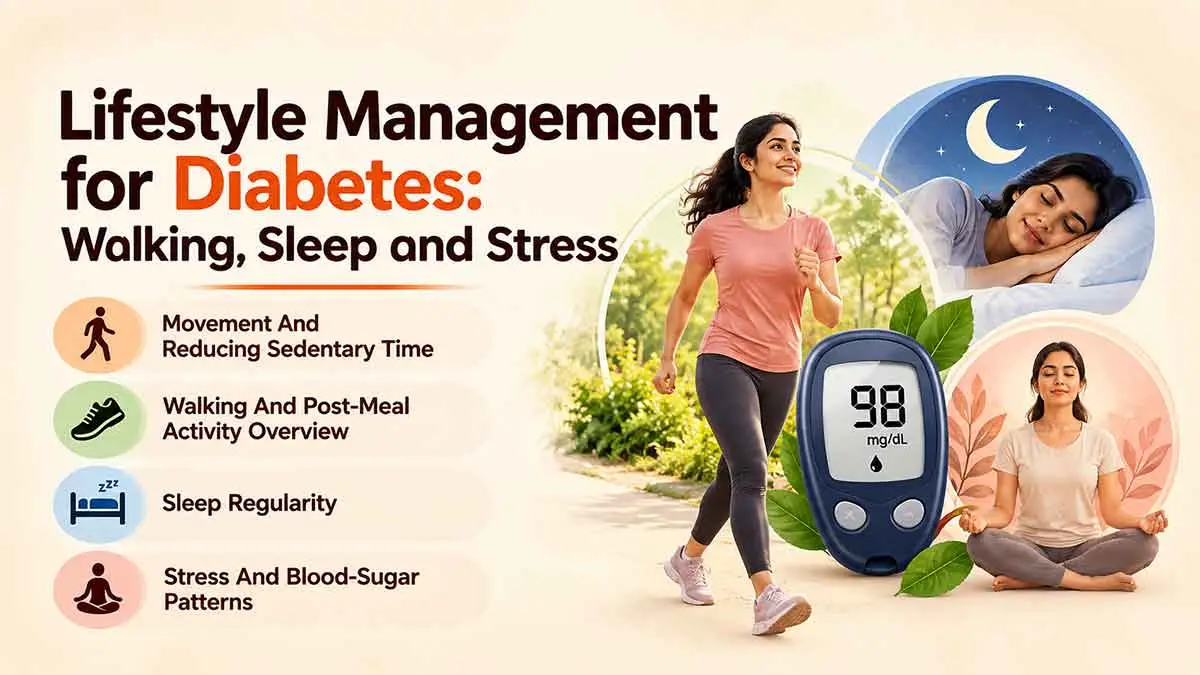
Movement And Reducing Sedentary Time
Sitting for an extended period of time is the most serious health risk factor of modern life when it comes to metabolic disease. The longer your muscles remain inactive, the less their need for glucose, hence an excess amount of sugar flowing through the bloodstream. The lack of activity makes you prone to insulin resistance and causes difficulties in glucose absorption by your body's cells.
In Ayurveda, living a sedentary life is considered one of the main reasons behind the development of premeha. Sitting all day increases the kapha dosha and causes an increase in the formation of Ama and Meda dhatu that block the body's subtle channels (strotas). Cutting down on the time you spend sitting is more effective than doing one session of intense physical activity followed by many hours of sitting.
Walking And Post-Meal Activity Overview
It is universally accepted that walking is among the safest and most effective ways to exercise and stay healthy for diabetes patients. Walking does not require any gear, poses no risks for injuries, and reduces blood sugar levels as it enables muscles to utilize the sugar without the need for insulin. Post-meal walking is given more significance in Ayurveda and is called shatavali; however, modern-day exercise culture prefers morning or evening exercise rather than post-meal walking.
Morning Brisk Walking
A 30 to 45-minute brisk walk in the morning aligns with the kapha time of day (6 am to 10 am). Vigorous movement during this window helps clear sluggishness, improves circulation, and sets a positive metabolic tone for the rest of the day.
Post-Meal Walking (Shatapavali)
Please wait for 10 to 15 minutes after having your main meals, namely lunch and dinner.
Take a stroll for 10 to 15 minutes. Do not take a brisk walk as it diverts the blood from the alimentary canal and reduces the activity of agni (digestive fire).
Sleep Regularity
Sleep is a primary pillar of health (upastanbha) in Ayurveda and is referred to as Nidra. Sleep regulation affects your hormone regulation, nervous system, and metabolic performance. If you lack enough sleep and do not regulate your sleeping schedule, your body will consider this situation as one of stress. In response, the body secretes a stress hormone known as cortisol, which increases the blood sugar level in an effort to energize the body.
Ayurveda warns especially against Divaswapna (daytime sleeping ), which heavily aggravates the kapha dosha, slows down metabolism, and worsens diabetes symtoms. The exception is only during peak summer or for the very elderly or debilitated.
To support metabolic health through sleep:
- Maintain consistent timings
- Prioritize night sleep
- Wind down ( disconnect from digital screens 60 to 90 min before bed )
Stress And Blood-Sugar Patterns
Stress affects blood sugar levels in a very significant manner. Both acute and chronic stress cause the adrenal glands to secrete adrenaline and cortisol. These hormones cause the liver to release stored glucose into the bloodstream in preparation for a fight or flight mechanism. In the case of diabetics, this will cause the person’s blood sugar levels to rise unexpectedly even if his diet and medication are perfect.
In Ayurveda, mental stress caused by excess thoughtfulness (chinta), sorrow (shoka), and anxiety causes vitiation of the Vata dosha. The imbalance of Vata will affect the functioning of the nervous system, causing erratic digestive fire (vishamagni) and fluctuating blood sugar levels.
Dealing with stress is not an option; it is a must.
Pranayama (Breathwork)
Yoga exercises such as Anulom Vilom (Alternate Nostril Breathing) and Bhramari (Bee Breath) actively activate the parasympathetic nervous system, reduce cortisol, and calm Vata.
Mindfulness and Meditation
Even 10 minutes of daily mindfulness can improve emotional resilience and prevent stress-induced glucose spikes.
Digital Boundaries
Constant consumption of news and social media acts as a low-grade chronic stressor. Setting boundaries around information consumption protects your mental peace (Sattva).
Weight, Tobacco, And Alcohol Context
Excess body weight, particularly visceral fat around the abdomen, is a massive driver of insulin resistance. Ayurveda approaches weight management through the balancing of meda dhatu (fat tissue). The goal is not rapid, extreme weight loss but steady, sustainable reduction through corrected digestion and lifestyle.
Tobacco
Smoking and tobacco use constrict blood vessels and severely damage the srotas (micro-channels). For diabetics, who are already at high risk for cardiovascular disease and neuropathy, tobacco acts as a direct catalyst for complications, reducing blood flow to the extremities and eyes.
Alcohol
Alcohol is very hard on the liver, which is the organ that maintains the blood sugar level when you do not have food in your system. Alcohol causes inflammation because it increases the levels of pitta dosha inside the body. Additionally, alcohol consumption, especially without eating or with drugs, can result in low blood sugar.
Building A Sustainable Weekly Routine
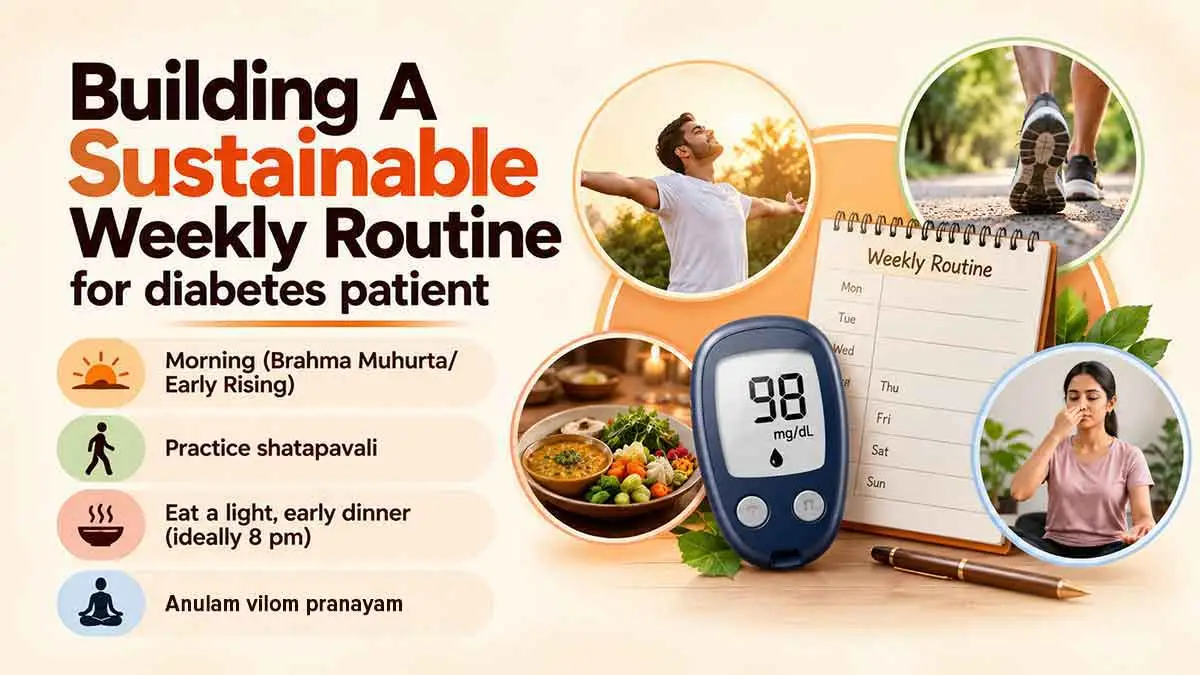
The key to managing one’s lifestyle is to maintain steadiness instead of being intense. The philosophy of Ayurveda endorses the idea of dinachraya (daily routine), where you match your daily schedule with the rhythm of the day. A sporadic routine results in a sporadic metabolism. An example of a supporting daily routine for diabetics would be:
Morning (Brahma Muhurta/Early Rising)
Get up at 6 AM sharp. Have some warm water to promote digestion. Walk for 30 – 40 minutes briskly or do yoga asanas.
Mid Day
Take 2 minutes of active breaks every 45 minutes if working at a desk.
After Meals
Practice shatapavali (10-15 minutes of gentle walking ) after lunch and dinner.
Evening
Eat a light, early dinner (ideally 8 pm) to allow the body to process the meal before sleep.
Night
Begin a digital wind down at 9 pm. Practice 5 minutes of anulom vilom pranayam in bed to ensure deep, restorative sleep.
Safety And Personalization
There is no one-size-fits-all approach to physical activity and lifestyle management in diabetes. An exercise routine that benefits one patient could be harmful to another, which is why Ayurveda insists on prakriti- and vikriti-based personalization.
Cardiovascular Safety
If you have had long-standing diabetes, are over 40, or have a history of heart issues, you must obtain medical clearance before beginning any vigorous exercise program.
Neuropathy And Foot Care
Patients experiencing numbness or tingling in their feet (diabetic neuropathy) must take special care. High-impact exercises may cause undetected injuries. Proper, well-fitted footwear is non-negotiable, and daily foot inspections are mandatory.
Hypoglycemia Risk
Should you take insulin-stimulating medication, physical activity may bring down your blood glucose levels below the normal range. It is advised to have a quick source of energy (such as glucose tablets) with you whenever you exercise and get to know how your body reacts to various kinds of exercises. Lifestyle changes may prove effective, but they should be introduced with caution into your existing treatment plan. Do not change your medications in any way without consulting your doctor.
At Jiva, our doctors suggest root cause-based personalised treatment to each individual, which comprises the best Ayurvedic treatment for diabetes, customised diet and lifestyle, yoga and pranayama, and panchakarma therapies. They not only help rejuvenate the body from within but also prevent the progression & complications of the disease. Gradually, the treatment will help reduce the dependency on insulin and diabetic pills while improving the overall quality of life.
References
Lifestyle and the Prevention of Type 2 Diabetes: A Status Report - PMC
Lifestyle Management for People with Diabetes – What You Need to Know From the ADA Standards of Care
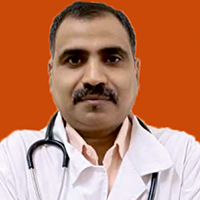
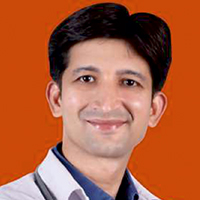
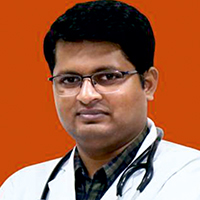
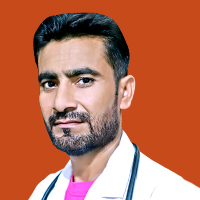
Consult Experienced Ayurveda Doctors for diabetes


Our Happy Patients
-
 Sunita Malik - Knee Pain
 -
 Abhishek Mal - Diabetes
 -
 Vidit Aggarwal - Psoriasis
 -
 Shanti - Sleeping Disorder
 -
 Ranjana - Arthritis
 -
 Jyoti - Migraine
 -
 Renu Lamba - Diabetes
 -
 Kamla Singh - Bulging Disc
 -
 Rajesh Kumar - Psoriasis
 -
 Dhruv Dutta - Diabetes
 -
 Atharva - Respiratory Disease
 -
 Amey - Skin Problem
 -
 Asha - Joint Problem
 -
 Sanjeeta - Joint Pain
 -
 A B Mukherjee - Acidity
 -
 Deepak Sharma - Lower Back Pain
 -
 Vyjayanti - Pcod
 -
 Sunil Singh - Thyroid
 -
 Sarla Gupta - Post Surgery Challenges
 -
 Syed Masood Ahmed - Osteoarthritis & Bp
Diagnostic Marker
- CRP and Heart Disease Risk: How Ayurveda Supports Heart Health
- High CRP Levels: Ayurvedic Causes, Meaning, and Natural Treatment Approach
- ESR Levels High: What It Indicates and How Ayurveda Helps Manage Inflammation
- HS-CRP High? Ayurvedic Ways to Reduce Chronic Inflammation Naturally
- Fasting Blood Sugar vs PP Sugar
- HbA1c Levels Explained: Ayurvedic Management for Long-Term Blood Sugar Control
- High Insulin Levels and Insulin Resistance: Ayurvedic Perspective and Care
- Homocysteine Levels High: Ayurvedic Ways to Reduce Heart Disease Risk
- TSH Levels High or Low: Ayurvedic Treatment for Thyroid Imbalance
- T3, T4, and TSH Report Explained Through Ayurveda
Blogs
- This World Diabetes Day ? Pledge to Fight Diabetes at the Root
- Five Early Signs of Diabetes
- 5 Foods That You Should Never Take in Diabetes
- Home-Remedies for Diabetes
- Simple Tips to Prevent Diabetes
- Adopt Ayurveda to Deal with Type 1 and 2 Diabetes
- Food Habits that Ayurveda recommends to diabetes patients
- Do?s and Don?ts to Manage Diabetes in Ayurvedic Lifestyle
- Managing Diabetes with Ayurveda
- Early Diabetes Symptom You Should Never Ignore
Home Remedies
Related Disease
- Ayurvedic Treatment for Obesity
- Thyroid Treatment In Ayurveda
- Ayurvedic Treatment for Diabetes
- Ayurvedic Treatment For Type 1 Diabetes
- Ayurvedic Treatment for Hypoglycemia
- Ayurvedic Treatment for Hyperglycemia
- Get Ayurvedic Treatment For Prediabetes
- Ayurvedic Treatment for Diabetic Neuropathy
- Ayurvedic Treatment for Gynecomastia
- Ayurvedic Treatment for Hernia
- Ayurvedic Treatment for Gangrene
- Ayurvedic Treatment for Weight Loss
Latest Blogs
- बच्चों में weekend sleep timing बदलना Monday mood को कैसे प्रभावित कर सकता है
- Is Fasted Intense Exercise a Good Idea for Every Woman
- Health Tracking Every Hour: Helpful Awareness Or Another Source Of Stress?
- फोन देखते हुए चलना सिर्फ accident risk नहीं—posture और breathing पर क्या असर पड़ता है
- Bloating Before a Period: Why Lifestyle Can Change How It Feels
- बहुत जल्दी खाना खाने से पेट भरने का signal देर से क्यों मिलता है
- ‘No Added Sugar’ Doesn’t Automatically Mean Low Sugar—Here’s Why
- Online meetings के बीच zero movement दिन के अंत में stiffness क्यों बढ़ाता है?
- Screen brightness और late-night work sleep readiness को कैसे बदलते हैं
- Warm Vs Cold Foods: How To Discuss The Ayurvedic Idea Without Turning It Into A Myth
- Noise-cancelling headphones घंटों पहनना mental fatigue को कम करता है या बढ़ा सकता है?
- Sugar-Free Biscuits: Better Choice Or A Health Halo?
- Why a Long Afternoon Nap Can Make Bedtime Surprisingly Difficult
- Scrolling While Eating: The Habit That Makes Meals Harder to Remember
- The Forward-Head Posture You Don’t Notice Until Evening
- Are Seed Mixes Useful—Or Just Easy To Overeat?
- Laptop on the Sofa: Why Neck and Hip Stiffness Show Up Later
- Why Your Eyes Feel Tired Even When Screen Brightness Seems Fine
- Is A Standing Desk A Complete Fix For Too Much Sitting?
- Why a Damp Bathroom Can Affect More Than Just the Walls
Ayurvedic Doctor In Top Cities
- Ayurvedic Doctors in Bangalore
- Ayurvedic Doctors in Pune
- Ayurvedic Doctors in Delhi
- Ayurvedic Doctors in Hyderabad
- Ayurvedic Doctors in Indore
- Ayurvedic Doctors in Mumbai
- Ayurvedic Doctors in Lucknow
- Ayurvedic Doctors in Kolkata
- Ayurvedic Doctors in Patna
- Ayurvedic Doctors in Vadodara
- Ayurvedic Doctors in Ahmedabad
- Ayurvedic Doctors in Chandigarh
- Ayurvedic Doctors in Gurugaon
- Ayurvedic Doctors in Jaipur
- Ayurvedic Doctors in Kanpur
- Ayurvedic Doctors in Noida
- Ayurvedic Doctors in Ranchi
- Ayurvedic Doctors in Bhopal
- Ayurvedic Doctors in Ludhiana
- Ayurvedic Doctors in Dehradun