Diabetes, arthritis, skin disorders & more! Get a free consultation with Top Ayurveda doctors - +91 9266714040 | No travel, No waiting – Consult Jiva’s doctors from home via video call! | Get up to 10% OFF! On Authentic Ayurveda Products! Best Prices only on the brand store. Visit : www.store.jiva.com
Diabetes complications primarily arise from chronic hyperglycemia, prolonged periods of elevated blood sugar levels .overtime, excess glucose acts as a toxin to the body’s vascular system, damaging both the microscopic blood vessels (microvascular) and the larger arteries (macrovascular). This systemic vessel damage restricts blood flow, starving tissues of vital oxygen and nutrients. Additionally, high blood sugar directly damages nerve fibers, disrupting communication between the brain and extremities. The longer blood sugar remains uncontrolled, the higher the risk of these cascading metabolic and structural changes throughout the body.
Nerve And Foot Complications
Diabetic Neuropathy
Prolonged high blood sugar levels can damage the nerve fibers throughout your body, a condition known as diabetic neuropathy. This most commonly affects the nerves in your legs and feet. Patients often experience tingling, numbness, and a burning sensation or sharp pains that worsen at night. Because compromised nerves cannot effectively transmit pain signals, minor injuries can easily go unnoticed. Early screening and blood sugar management are crucial to prevent progressive nerve damage and presence sensation.
Diabetic foot complications arise from a dangerous combination of poor blood circulation and nerve damage. When sensation is reduced, simple blisters or cuts can go unnoticed. Combined with restricted blood flow, these minor injuries heal very slowly and are highly susceptible to severe infections or ulcers. Daily foot inspection, proper footwear, and routine podiatric checkups are essential preventive measures. Immediate medical attention is required for any open sores or changes in skin color. For more related, check out Diabetic Foot Page.
Kidney, Eye, And Cardiovascular Risks
Diabetes And Kidney Problems (Nephropathy)
The kidneys contain millions of blood vessel clusters that filter waste from your blood. Chronic high blood sugar overworks and damages these delicate filtering systems, leading to diabetic nephropathy in early stages; this condition is often silent with no noticeable symptoms. As it progresses, problems begin to leak into the urine and the kidneys' filtering ability declines. Regular urine tests for microalbumin and blood tests for kidney function are vital for early detection. Check out the related guide Diabetes And Kidney Problems for more information.
Diabetes and Eye Problems (Retinopathy)
Diabetes increases the risk of several eye conditions, the most common being diabetic retinopathy. This occurs when elevated blood glucose damages the tiny blood vessels in the retina, causing them to leak fluid or bleed. Early stages may present with no symptoms, but progressive damage can lead to blurry vision and floaters and eventually vision loss. Annual comprehensive dilated eye exams are critical, as early intervention can effectively manage the condition and preserve your eyesight.
Diabetes is a major independent risk factor for cardiovascular disease. The same mechanism that damages microvessels also accelerates atherosclerosis, the hardening and narrowing of major arteries supplying the heart and brain. This significantly increases the risk of hypertension, angina, heart attacks, and strokes. Managing blood pressure and cholesterol levels, and blood sugar in tandem, is required to mitigate these macrovascular risks.
I have had diabetes for the last 10 years and was on allopathic medicines, but my sugar levels kept increasing day by day. For the last 6 months, I had no energy at all.
Then I heard about Jiva Ayurveda from a friend. I consulted them over the phone and started their medicines, diet chart, and yoga therapy. Within a week, I started feeling more energetic, and after 2 months of treatment, I feel full of energy again at the age of 62.
Thank you to the entire team for the timely guidance, patiently solving my queries, and for the good behaviour and support throughout the treatment.
I would like to express my deepest gratitude to the Jiva Ayurveda team for their exceptional care and guidance throughout my Diabetes Care Plan journey.
My sincere thanks to Dr. Pushpendra Shukla for his expert diagnosis, thoughtful treatment approach, and the confidence he instilled in me from day one. I’m equally grateful to Health Coach Swati and Nutritionist Mansi, whose constant motivation, personalized attention, and practical lifestyle advice made a world of difference. Their guidance kept me consistent, positive, and fully committed to the process.
Thanks to their collective efforts, my sugar levels are now stable, and my overall health and energy have improved tremendously. I feel healthier, lighter, and more in tune with my body than ever before.
This program has been a truly transformative experience — not just physically, but mentally and emotionally as well. I deeply appreciate the compassion, professionalism, and dedication shown by the entire team.
Thank you, Jiva Ayurveda, for helping me rediscover balance and wellbeing through the power of Ayurveda.
Warm regards,
Kuldeep Bhardwaj
Firstly, I am thankful for jiva greater noida clinic.
i have diabetes, severe pain in left shoulder and acidity problem since 2 years. i have taken lots of allopathic medicines but no relief, then i visit jiva greater noida clinic, where i have consult with Dr. Sikandar, i have taken 5 months medicines and follow diet chart as per directed by the doctor. Currently, i am almost cured, but i have taken one month extra medicine for complete relief.
thank you all staff for reminding me to followup with doctor time to time, also impressed with your management system.
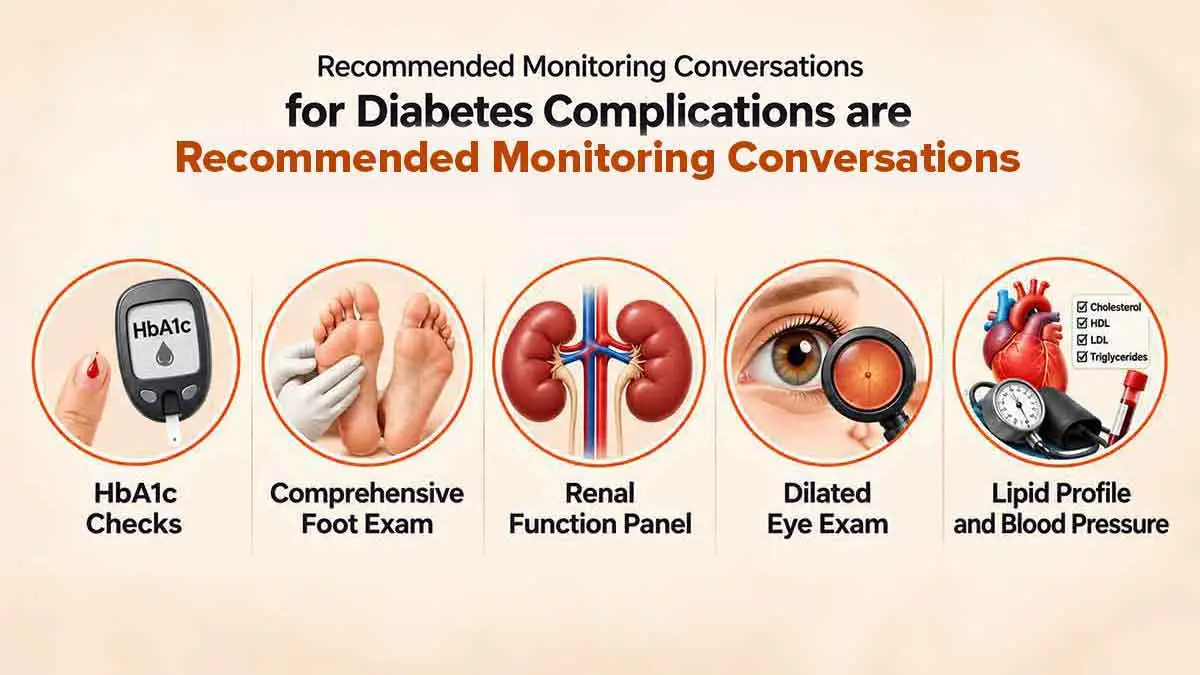
Recommended Monitoring Conversations
Routine screening is the most effective way to catch complications before irreversible damage occurs. Discuss a comprehensive monitoring schedule with your healthcare provider, which should typically include :
HbA1c Checks
Every 3 to 6 months to assess long-term glucose control.
Comprehensive Foot Exam
At least annually by a physician, checking for pulses, sensation, and structural abnormalities.
Renal Function Panel
Annual eGFR (estimated glomerular filtration rate ) and urine albumin-to-creatinine ratio to monitor kidney health.
Dilated Eye Exam
Yearly screening by an ophthalmologist or optometrist to detect retinal changes.
Lipid Profile and Blood Pressure
Regular monitoring to assess cardiovascular risk factors.
Prevention Through Control And Routine Care
Preventing diabetes complications requires a proactive, multifaceted approach centered on metabolic control, consisting of maintaining blood sugar levels within your target range is the single most effective preventive measure. This is achieved through a combination of prescribed medication adherence, an individualized Ayurvedic or clinical diet, and consistent physical activity; beyond glucose control, maintaining healthy blood pressure and cholesterol levels, quitting smoking, and attending all scheduled preventive screenings create a robust defense against long-term diabetic damage.
Symptoms That Need Prompt Assessment
Do not wait for your next scheduled appointment if you are experiencing any of the following red flag symptoms; seek medical assessment immediately:
Chest Pain, shortness of breath, or unexplained fatigue
Sudden blurred vision, floating spots, or partial vision loss.
A cut, blister, or sore on the foot that is not healing, feels warm, or shows signs of infection (pus, redness).
Sudden numbness, weakness, or severe sharp pain in the extremities.
Unexplained swelling in the hands, feet, or face (edema).
Explore Each Complication Page
For deep dives into specific conditions and symptoms targeted at Ayurvedic and medical management strategies, explore our dedicated guides

 Published on 15 Sep, 2026
 Updated on 13 Oct, 2026
.webp)