
Successful Treatments
Clinics
Doctors
Yoga for Arthritis
 Published on 17 Sep, 2026
 Updated on 03 Oct, 2026

Explore Exercise
- Home / Diseases & Ayurveda / Joint & Muscle Pain / Ayurvedic Treatment For Arthritis / Exercise for Arthritis: Strength, Mobility, Walking and Yoga / Yoga for Arthritis
Who This Yoga For Arthritis Guide Is For
Hearing the word yoga might scare you when you have arthritis. You might picture very flexible people doing yoga and think your stiff joints cannot do that. This guide is for you if you want to stretch safely but worry about hurting your wrists, hips, or knees. Maybe you tried a normal class before, but pushing on hard caused sharp pain in your joints. You do not need a tough, tiring workout to feel better. You just want a very safe way to melt your morning stiffness, relax your mind, and warm up your aching joints without a single painful movement. So this guide is exactly for those people who struggle while doing yoga.
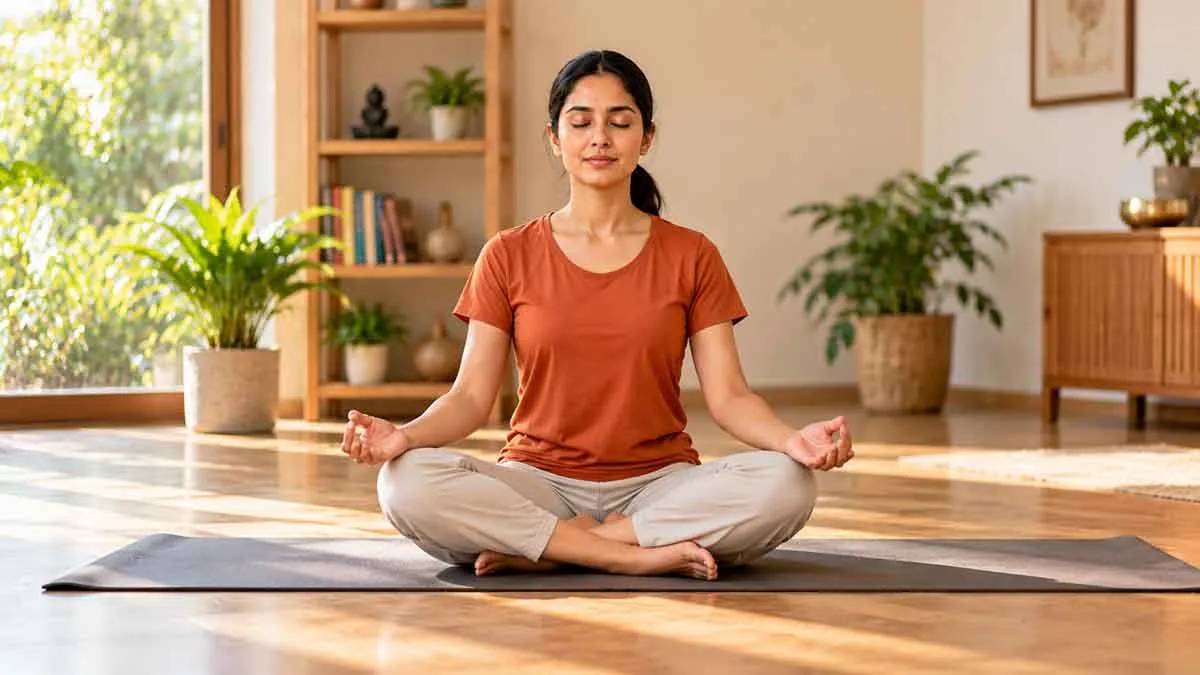
Importance of Yoga in Ayurveda
In Ayurveda, it is not just a physical workout; it is considered the ultimate non-medical tool that can help in the management of arthritis. Ayurveda and yoga are the sister sciences that are designed to work perfectly together. Ayurveda heals your body from the inside by using daily routines, herbs, therapies, and diet. Yoga heals you from the outside through gentle movements and focused breathing. When you do yoga, you do more than just stretch muscles. You actively calm down your nervous system and balance your body's natural energy doshas. The deep, slow breathing pulls fresh life force, prana, into every cell. At the same time, the gentle physical massages shape your internal organs to keep your digestive fire, Agni, burning strong and bright. This movement helps your body naturally flush out the heavy, sticky waste that causes joint pain and swelling. Ayurveda teaches that a peaceful mind and a moving body are the true foundations of lasting health.
Patient Success Stories
Immediate Practical Modifications
You don't need difficult yoga poses to keep your body and joints active and calm. You can make a few immediate changes today that will instantly take the heavy pressure off your joints:
- Practise on a thick yoga mat: A thin, standard yoga mat on a hard tile floor offers zero protection for sensitive bones. Always place a thick folded blanket or a soft towel directly under your knees, wrists, or spine whenever a pose requires you to press into the floor.
- Keep your breath smooth: If you find yourself holding your breath while doing a difficult yoga pose, then you are only stressing your nervous system. While doing yoga, make sure that you breathe properly.
- Warm up first: Don't just start doing yoga with cold and stiff joints; first do some warm-up so that your body and joints get warm and don't get stressed.
Yoga Poses For People Dealing With Arthritis
Below are some yoga poses that can help in managing arthritis pain, reduce stiffness, and keep your body active.
.webp)
Cat-Cow Pose (Marjaryasana-Bitilasana)
Start on your hands and knees, then stack your wrists under your shoulders and your hips under your hips. Keep your spine flat and neutral. For cow pose, start by inhaling deeply, drop your belly towards the mat, then lift your chin and chest towards the ceiling and let your tailbone flare upward. For cat pose, exhale slowly and then round your spine up towards the ceiling, tuck your chin into your chest, and drop your belly button inwards towards your spine. Then move slowly between cat and cow, and repeat it for 10-12 rounds.
.webp)
Bridge Pose (Setu Bandhasana)
Start by lying flat on a mat, then bend your knees and place your feet flat on the floor, hip-width apart. Keep your feet close to your glutes so your fingertips can almost touch your heels. Place your arms flat by your sides with your palms facing down. Inhale deeply, press your arms and feet on the floor. Then lift your hips towards the ceiling until your thighs are parallel to the floor. Then roll your shoulder under and braid your fingers beneath your back for support if you want a deeper stretch. Hold the pose for 10-15 seconds and then slowly get down and relax..webp)
Child’s Pose (Balasana)
Start by kneeling on the bed or floor with your big toes touching and sit back on your heels. Open your knees as wide as your hips, then slowly bend forward, laying your torso down between your thighs. Then slowly lower your forehead towards the floor according to your comfort. Reach your arms forward with palms on the floor, breathe deeply and slowly. Do this for 10-15 seconds.
Progression And Pacing
When you start practicing yoga, the biggest mistake you make is to ace it on the first day. Your true goal is gentle healing, not twisting yourself into a perfect shape. To progress safely, you must become a master of pacing. Start small; begin your practice with just five to ten minutes of deep breathing and very easy, fully supported stretches. Do not worry if this feels too short. You are simply teaching your nervous system how to relax and reminding your joints how to move without fear. Once that short routine feels pain-free for the whole week, add two to three minutes more to your time. If you feel actively throbbing pain for more than two hours after you finish your yoga, then rest or see the doctor for help.
What To Avoid While Doing Yoga?
Yoga is a beautiful, healing practice for people with arthritis, but not every traditional pose is safe for worn-out knees. To protect your joints and keep your dry and brittle Vata energy perfectly calm, here is what you should avoid during your daily practice:
- Bearing heavy weight on small joints: Completely avoid poses that force your body weight on your small joints. If any yoga pose puts a lot of pressure on these fragile joints, then try not to stress them more.
- Overbending & tightly folding: Avoid any pose that forces any joint to its absolute limit, whether it is sitting cross-legged, bending your legs, or deeply twisting your back. Forcing a joint completely closed pinches the joint space and puts massive, heavy pressure on the cartilage.
- Forcing the "perfect" shape: Yoga is about internal healing, not competing to look exactly like a picture in a book. If you ever feel a sharp, pinching, or burning pain inside any joint, gently back out of the pose immediately. You want to feel a warm, gentle muscle stretch, never a sharp, grinding bone pain.
When To Seek Medical Care?
While mild yoga is highly recommended for patients who have arthritis, certain warning signs shouldn't be ignored:
If you feel sharp and grinding pain in your joints while doing yoga.
- If your joints become red, hot, swollen, and warm.
- If you feel numbness and tingling in your joints.
- If you start gasping, shaking, or feeling completely out of breath, then you should stop.
- If you experience pain or increased soreness in the joint the next day after doing yoga.
References
Yoga for Arthritis: A Scoping Review - PMC
Yoga for Treating Rheumatoid Arthritis: A Systematic Review and Meta-Analysis - PMC
Yoga as an adjunctive therapy for rheumatoid arthritis - PMC
FAQs
Yes, yoga is generally good for joint pain because it improves flexibility, builds supportive muscle strength, and increases range of motion without putting high impact on the joints.
Gentle, low-impact styles of yoga are best for arthritis because they focus on slow movements, proper alignment, and joint safety.
Surya Namaskar (Sun Salutation) can be good for osteoarthritis only if practiced gently and with proper modifications, but a standard or fast-paced routine may strain vulnerable joints.
Gentle yoga poses like Cat-Cow, Child's Pose, and Bridge Pose help ease joint stiffness and build supportive strength without causing harm.
While yoga is generally safe, people with specific medical conditions, injuries, or recent surgeries should avoid certain poses or consult a doctor before practicing.
After three months of consistent yoga practice, you can expect noticeable improvements in flexibility, core strength, stress levels, and overall body posture.
Consult Experienced Ayurveda Doctors for Yoga for Arthritis













Our Happy Patients
-
 Sunita Malik - Knee Pain
 -
 Abhishek Mal - Diabetes
 -
 Vidit Aggarwal - Psoriasis
 -
 Shanti - Sleeping Disorder
 -
 Ranjana - Arthritis
 -
 Jyoti - Migraine
 -
 Renu Lamba - Diabetes
 -
 Kamla Singh - Bulging Disc
 -
 Rajesh Kumar - Psoriasis
 -
 Dhruv Dutta - Diabetes
 -
 Atharva - Respiratory Disease
 -
 Amey - Skin Problem
 -
 Asha - Joint Problem
 -
 Sanjeeta - Joint Pain
 -
 A B Mukherjee - Acidity
 -
 Deepak Sharma - Lower Back Pain
 -
 Vyjayanti - Pcod
 -
 Sunil Singh - Thyroid
 -
 Sarla Gupta - Post Surgery Challenges
 -
 Syed Masood Ahmed - Osteoarthritis & Bp
Diagnostic Marker
Blogs
- 3 Benefits of Golden Milk in Arthritis
- Jiva?s Ayunique Treatment for Osteoarthritis
- Early Diagnosis - The Key to Treating Arthritis
- Natural Options That You Must Try For Arthritis
- Panchakarma to Get Relief from Arthritis Pain
- How to Control Osteoarthritis in Old Age
- Relieving Osteoarthritis with the power of Ayurveda
- Simple home remedies for Rheumatoid Arthritis (Ama vata)
- Uses of Ginger to Get Relief from Arthritis
- Benefits of Turmeric in Controlling Arthritis
Home Remedies
Related Disease
- Ayurvedic Treatment for Ankylosing Spondylitis
- Ayurvedic Treatment For Cervical Spondylosis
- Ayurvedic Treatment For Arthritis
- Ayurvedic Treatment for Osteoarthritis
- Ayurvedic treatment for Gout
- Ayurvedic Treatment for Sciatica
- Ayurvedic Treatment for Rheumatoid Arthritis
- Ayurvedic Treatment for Frozen Shoulder
- Ayurvedic Treatment for Deep Vein Thrombosis (DVT)
- Ayurvedic Treatment for Achilles Tendon Disorders
- Ayurvedic Treatment for Rickets
- Ayurvedic Treatment for Ganglion Cyst
- Ayurvedic Treatment for Osteoporosis
- Get Ayurvedic Treatment for AVN Avascular Necrosis
- Get Ayurvedic Treatment For Osteomyelitis
- Cerebral Palsy Treatment in Ayurveda
Latest Blogs
- बच्चों में weekend sleep timing बदलना Monday mood को कैसे प्रभावित कर सकता है
- Is Fasted Intense Exercise a Good Idea for Every Woman
- Health Tracking Every Hour: Helpful Awareness Or Another Source Of Stress?
- फोन देखते हुए चलना सिर्फ accident risk नहीं—posture और breathing पर क्या असर पड़ता है
- Bloating Before a Period: Why Lifestyle Can Change How It Feels
- बहुत जल्दी खाना खाने से पेट भरने का signal देर से क्यों मिलता है
- ‘No Added Sugar’ Doesn’t Automatically Mean Low Sugar—Here’s Why
- Online meetings के बीच zero movement दिन के अंत में stiffness क्यों बढ़ाता है?
- Screen brightness और late-night work sleep readiness को कैसे बदलते हैं
- Warm Vs Cold Foods: How To Discuss The Ayurvedic Idea Without Turning It Into A Myth
- Noise-cancelling headphones घंटों पहनना mental fatigue को कम करता है या बढ़ा सकता है?
- Sugar-Free Biscuits: Better Choice Or A Health Halo?
- Why a Long Afternoon Nap Can Make Bedtime Surprisingly Difficult
- Scrolling While Eating: The Habit That Makes Meals Harder to Remember
- The Forward-Head Posture You Don’t Notice Until Evening
- Are Seed Mixes Useful—Or Just Easy To Overeat?
- Laptop on the Sofa: Why Neck and Hip Stiffness Show Up Later
- Why Your Eyes Feel Tired Even When Screen Brightness Seems Fine
- Is A Standing Desk A Complete Fix For Too Much Sitting?
- Why a Damp Bathroom Can Affect More Than Just the Walls
Ayurvedic Doctor In Top Cities
- Ayurvedic Doctors in Bangalore
- Ayurvedic Doctors in Pune
- Ayurvedic Doctors in Delhi
- Ayurvedic Doctors in Hyderabad
- Ayurvedic Doctors in Indore
- Ayurvedic Doctors in Mumbai
- Ayurvedic Doctors in Lucknow
- Ayurvedic Doctors in Kolkata
- Ayurvedic Doctors in Patna
- Ayurvedic Doctors in Vadodara
- Ayurvedic Doctors in Ahmedabad
- Ayurvedic Doctors in Chandigarh
- Ayurvedic Doctors in Gurugaon
- Ayurvedic Doctors in Jaipur
- Ayurvedic Doctors in Kanpur
- Ayurvedic Doctors in Noida
- Ayurvedic Doctors in Ranchi
- Ayurvedic Doctors in Bhopal
- Ayurvedic Doctors in Ludhiana
- Ayurvedic Doctors in Dehradun