Jiva Ayurveda helps people with type 2 diabetes and prediabetes control their blood sugar with personalised Ayurvedic medicines, an Indian diet plan and simple daily routine changes, used alongside your current diabetes medicines, not in place of them.
Free doctor consultation80+ clinics and video consultPersonalised plan
How Jiva Ayurveda Treats Diabetes
Your doctor first checks your sugar reports, current medicines, diet and daily routine. Then your plan is built on four parts:
1
Ayurvedic medicines
Chosen for your condition. May include herbs like Gudmar, Karela, Jamun and Methi.
2
Indian diet plan
Portions, meal timings and swaps that work with home food.
3
Walking and yoga
A simple daily routine for sugar, weight and stress.
4
Panchakarma, if needed
Only for some patients. Not needed by everyone.
!
Safe with your current medicines? Some herbs can lower sugar further when taken with diabetes tablets, so your Jiva doctor plans around what you already take. Never stop or reduce your medicines or insulin on your own.
Ayurvedic Medicines for Diabetes
Ayurvedic medicine for diabetes means herbs and classical formulations that a doctor chooses for your sugar levels, body type and other health problems. They are taken alongside your prescribed diabetes medicines, not in place of them.
Which is the best Ayurvedic medicine for diabetes?
There is no single best medicine for everyone. The right choice depends on your HbA1c, how long you have had diabetes, the tablets or insulin you already take, and problems like weight gain, tingling feet or kidney issues. That is why Jiva doctors prescribe after checking your reports instead of giving one fixed product.
Herbs commonly used for high blood sugar
Gudmar
Gymnema
Often called the sugar destroyer. It dulls the taste of sweets, which helps reduce cravings, and studies suggest it may support insulin release.
Vijaysar
Indian kino tree
The heartwood is used in classical texts for Prameha (diabetes). Traditionally given as powder or as water kept overnight in a Vijaysar tumbler.
Jamun seed
Black plum
Seed powder is one of the most common home and clinical herbs for high sugar, used to support after-meal sugar control.
Karela
Bitter gourd
Used as juice or powder. Its bitter compounds are studied for a sugar-lowering effect similar to a mild insulin-like action.
Methi
Fenugreek
Seeds are rich in soluble fibre, which slows how fast sugar from food enters the blood.
Giloy and Amla
Guduchi and Indian gooseberry
Used to support metabolism, immunity and liver health, which are often weak in long-term diabetes.
Classical Ayurvedic formulations for diabetes
Nisha AmalakiTurmeric and amla churna
One of the most used classical combinations for Prameha. Supports sugar control and metabolism.
Chandraprabha VatiClassical tablet
Used for Prameha with urinary complaints such as frequent urination and weakness.
JambvasavaFermented jamun preparation
A classical liquid made from jamun, used to support blood sugar balance.
Vasant Kusumakar RasClassical mineral preparation
Used for long-standing diabetes and complications. Contains processed minerals and metals, so it must only be taken under a qualified Ayurvedic doctor.
How a Jiva doctor chooses your medicine
1
Reads your reports
Fasting sugar, after-meal sugar, HbA1c, kidney and liver tests.
2
Checks your current medicines
Tablets and insulin, so the herbs do not push your sugar too low.
3
Looks at your body type and habits
Prakriti, digestion, weight, sleep and stress.
4
Prescribes and reviews
Medicines with diet and routine advice, then adjusts them at follow-ups.
!
Use Ayurvedic medicines safely
- Herbs like Gudmar, Karela and Jamun can lower sugar further when taken with metformin, other tablets or insulin. Check your sugar more often in the first weeks.
- Never stop or cut down your diabetes tablets or insulin on your own. Only your doctor should change them.
- If you have kidney or liver disease, are pregnant or breastfeeding, tell the doctor before starting any herb.
- Avoid mineral and metal preparations unless an Ayurvedic doctor prescribes and monitors them.
- Buy medicines from a licensed pharmacy or brand. Avoid loose powders with no label or batch number.
How soon do they work?
Daily sugar readings may start to change within a few weeks when medicines are taken with the right diet and routine. HbA1c shows the average of about 3 months, so it is usually rechecked after that. Results differ from person to person.
Information only. Please consult a qualified doctor before starting any Ayurvedic medicine for diabetes.
Who Can Benefit from Ayurvedic Treatment for Diabetes?
Type 2 diabetes
support with food, activity and weight alongside your treatment.
Prediabetes
sugar above normal but not yet diabetes. Timely changes can lower your risk.
Sugar that goes up and down
fasting looks fine but after-meal sugar stays high.
Diabetes with belly fat
extra fat makes insulin work less well.
Diabetes with fatty liver
the two often come together and need the same diet and activity focus.
Diabetes for many years
when regular eye, kidney, foot and heart checks become more important.
Diabetes Case Studies: HbA1c Results of Jiva Patients
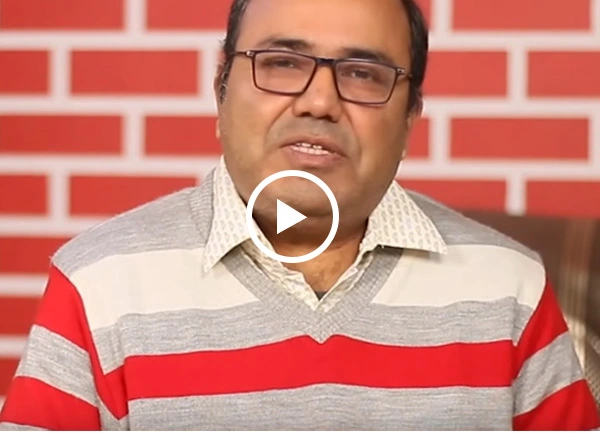
HbA1c shows your average blood sugar over about 3 months. These are real Jiva patients, before and after treatment.
10.6 to 6.7
average HbA1c
9 of 12
reached HbA1c below 7
Came with
- High blood sugar
- Body swelling and pain
- Lethargy, weakness
After treatment
- Sugar reduced
- No swelling or pain
- More energy
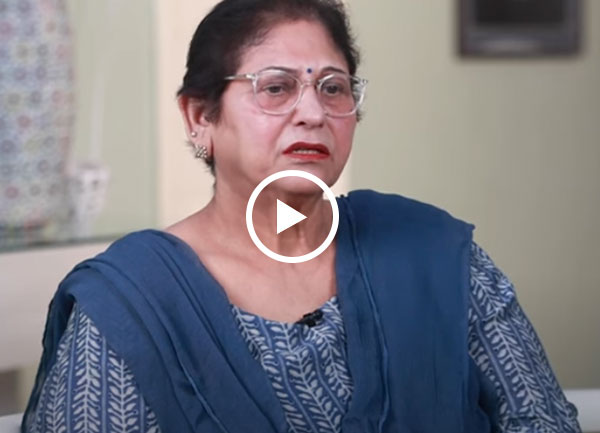
R.K.
Malviya Nagar, Delhi
5.1 points lower
Came with
- High blood sugar
- Tingling, numbness
- Repeated fungal infections
After treatment
- Sugar reduced
- No tingling
- Infection cleared
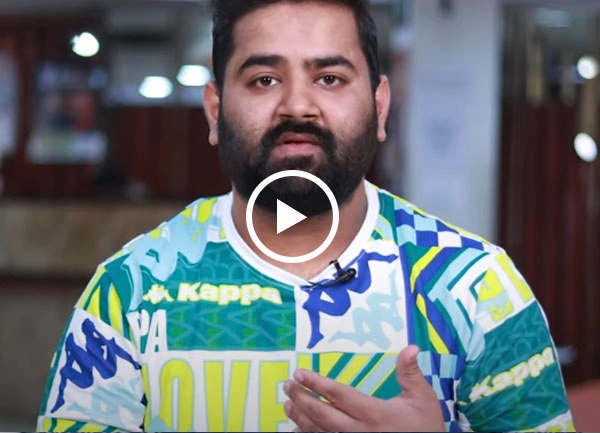
Fasting 198 to 168 | After-meal 270 to 177 mg/dL | Weight 84 to 79 kg
Came with
- Tingling, numbness
- Bloating
- Weakness
After treatment
- No tingling
- No bloating
- Feels energetic
More patient results
PatientHbA1c before > after
S.K.S. MRC clinic
12.8 > 6.5
No headache or nausea, Insulin stopped under doctor supervision
Cholesterol reduced, No leg pain
G.S. Chandigarh
11.3 > 6.7
Feels energetic
P.T. Shahdara, Delhi
10 > 6.4
Better digestion, Sound sleep
K.K.S. Jabalpur, MP
9.4 > 5.8
No heaviness
U.K.G. Gomti Nagar, Lucknow
9.7 > 6.6
Acidity rare, Regular motions
No bloating, Regular motions
No heaviness, Regular motions
R.L. Kalkaji, Delhi
8.4 > 6.4
Urination, thirst near normal, No dry mouth
Individual results. Outcomes depend on diabetes type, duration, other conditions and how closely the plan is followed. Names shortened to initials for privacy.
How to Start Diabetes Treatment at Jiva
1
Talk to a Jiva doctor
Visit one of 80+ clinics or book a video consultation.
2
Share your sugar reports
Fasting sugar, after-meal sugar, HbA1c and your current medicine names.
3
Get your personal plan
Ayurvedic medicines, diet, exercise and routine, made for you.
4
Follow the plan and track sugar
Check sugar as advised and keep a simple record.
5
Review progress
Regular follow-ups to check reports and adjust your plan.
Why Choose Jiva Ayurveda for Diabetes?
Plans built on your reports
and the medicines you already take.
Diet advice for Indian food
not foreign diet charts.
Regular follow-ups
to track sugar and adjust treatment.
80+ clinics and video consults
supporting 8,000+ patients every day.
Know Your Diabetes
Quick answers to the questions patients ask most.
Types of diabetes
- Type 1: the body makes little or no insulin. Insulin is always needed.
- Type 2: the most common type in adults. The body does not use insulin well.
- Gestational: high sugar during pregnancy. It raises the later risk of type 2 for the mother.
- Prediabetes: sugar above normal but below the diabetes range.
Read more on prediabetes
Symptoms and when to get tested
- Thirst and frequent urination
- Tiredness, blurred vision
- Unexplained weight loss or constant hunger
- Slow-healing cuts, frequent infections
- Tingling or numbness in hands or feet
Many people have no symptoms. Get tested if you are over 30, overweight, or have a parent or sibling with diabetes.
See all early and warning signs
Diagnosis: sugar levels and key tests
HbA1c (percent)
Prediabetes: 5.7 to 6.4Diabetes: 6.5 or more
Fasting sugar (mg/dL)
Prediabetes: 100 to 125Diabetes: 126 or more
2-hour glucose test (mg/dL)
Prediabetes: 140 to 199Diabetes: 200 or more
Random sugar (mg/dL)
Prediabetes: not usedDiabetes: 200 or more, with symptoms
During treatment, your doctor may check: fasting and after-meal sugar, HbA1c every 3 months, cholesterol, kidney function, urine albumin and BP, plus a yearly eye and foot check.
Complications and how to prevent them
- Heart: higher risk of heart attack and stroke
- Kidneys: slow loss of kidney function
- Nerves: tingling, burning or numb feet
- Eyes: damage to the retina
- Feet: wounds that heal slowly
Keeping sugar, BP and cholesterol in range, not smoking and yearly check-ups lower the risk.
How to keep blood sugar under control
Diet and lifestyle basics
- Half the plate vegetables, a quarter grains, a quarter protein
- Whole fruit in small portions, not juice
- Fixed meal times, with an early, light dinner
- 30 minutes of walking most days, plus yoga
- 7 to 8 hours of sleep and less stress
Indian diet plan for diabetes
!
When to Seek Urgent Care
Get emergency help if a person with diabetes has:
- Confusion, extreme weakness, fainting or drowsiness
- Vomiting or severe dehydration
- Very high sugar with these symptoms
- Low sugar that does not improve after treatment
- A serious foot wound or infection that is spreading fast
If the person is unconscious or very confused, do not give food or drink by mouth.
Explore More on Diabetes
References
- Use of Ayurveda in the Treatment of Type 2 Diabetes Mellitus (PMC)
- Effective Ayurvedic management of Madhumeha: A Case Study (JAIMS)
- Symptoms and Causes of Diabetes (NIDDK)
- Diabetes fact sheet (WHO)
- Symptoms of Diabetes (CDC)

 Published on 06 Dec, 2019
 Updated on 27 Nov, 2026