Diabetes, arthritis, skin disorders & more! Get a free consultation with Top Ayurveda doctors - +91 9266714040 | No travel, No waiting – Consult Jiva’s doctors from home via video call! | Get up to 10% OFF! On Authentic Ayurveda Products! Best Prices only on the brand store. Visit : www.store.jiva.com
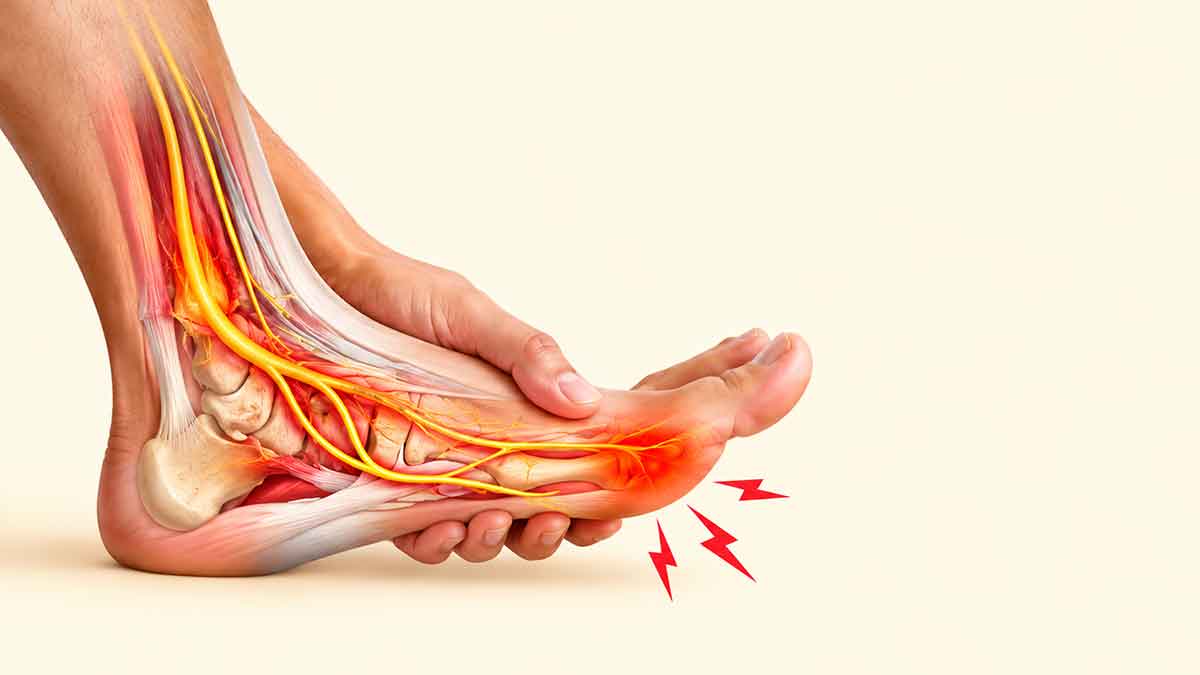
Sciatica is caused by a physical pinch of one large nerve in your lower back or buttock, which usually sends a sharp, electric pain shooting down just one of your legs. Diabetic neuropathy is completely different; it happens when years of high blood sugar slowly damage the delicate nerves at the farthest ends of your body. While sciatica feels like a sudden lightning bolt in one leg due to a trapped nerve, diabetic neuropathy usually causes a slow, creeping numbness, burning, or tingling feeling in both of your feet and toes at the exact same time. Simply put, sciatica is a physical pain in one spot, while diabetic neuropathy is widespread chemical nerve damage from diabetes.
I was suffering from sciatica since 2025 and Doctors prescribed me for surgery but I believe in ayurveda and came here to consult with Dr Bhawna , she advised me 14 days panchakarma treatment. After 14 days panchakarma. I stayed here for 14 days and got 90% relief in my symptoms. I thankful to Dr Bhawna and team to cure me.
Thank you Lalita, Preeti, Naina and Tanuja who give me thefalies and personal care.
Reception staff was also very coperative.
Symptom & Pain Pattern
Sciatica
Diabetic Neuropathy
Where you feel it
It usually affects only one leg or foot at a time,
It usually affects both feet and toes at the same time.
Where it starts
It starts deep in your lower back or hip, then shoots downward.
It starts at the very tips of your toes and slowly creeps up your feet and legs over time.
How the pain feels
It feels like sharp, electric shocks, or sudden shooting lines of pain.
It feels like a constant burning, slow tingling, complete numbness, or feeling like you are wearing tight socks.
Hw movement changes it
When you lean forward, sit, or stand, the pain usually changes.
If you change the way you stand or move, your back does not change the foot pain at all.
When it hurts the most
When you start walking, or standing straight, or sitting for long hours
It often feels much worse at night when you are resting in bed.
The Ayurvedic View
A sudden blockage of Vata dosha caused by a physical bone or muscle knot.
Ama builds up slowly and blocks the tiny energy channels in your feet over many years.
Causes And Risk Factors
Diabetic neuropathy happens when years of high blood sugar slowly damages the delicate nerves at the ends of your body. Understanding the main causes and everyday habits that put you at risk is the first step to protect your feet:
Constant high blood sugar: When you have high blood pressure for years, it acts like a slow chemical burn, destroying the tiny nerves ending in your toes
Poor blood circulation: When you sit still for long hours or smoke a lot, it narrows your blood vessels, starving the farthest nerves of he vital oxygen they need to survive.
Sugary diets: Regularly eating highly processed carbs, refined sugars, and sugary drinks creates massive blood sugar spikes that speed up nerve damage.
Toxin build-up (The Ayurvedic view): Eating too many heavy, deep-fried, or excessively sweet foods creates toxins(Ama)i in the body. It later blocks the channels in the food, causing poor blood circulation.
Missing nutrients: A daily diet that lacks essential nerve-healing vitamins leaves your nerve coatings weak and unable to repair themselves.
How Diagnosis Is Confirmed
A doctor will ask about your medical history and symptom pattern, when the pain happens, when it occurs, and the duration of the pain. He will also ask for certain imaging tests for sciatica, X-rays, MRI, ultrasound, or other tests to get the bigger picture of the bones. For diabetes, he may ask you about the reports related to fasting glucose, A1C levels, and kidney function tests as well.
In Ayurveda, this problem usually happens because of an imbalance in the Vata energy, which is cold, dry, and rough in nature. The doctor will do your Nadi Pariksha, pulse diagnosis, to see if this energy is imbalanced in your body or not. The Ayurvedic chiktsak will also ask you questions related to your digestion, your bowel movements, eating habits, or if you have any stomach-related issues or not.
How Management Differs
Managing Diabetic Neuropathy
It focuses entirely on stopping the chemical nerve damage from the inside out and protecting your feet from unseen injuries. Because this is not a physical pinch, you cannot simply stretch or massage the pain away:
Strict sugar control: Changing your daily diet and taking prescribed medications to stop high blood sugar from chemically burning more nerves
Daily foot checks: Carefully inspecting your feet every single day for cuts, sores, or blisters. Because of the heavy numbness, you might step on something sharp and not even feel it.
Nutritional support: Adding essential nerve-healing vitamins to help your body slowly strengthen and repair the damaged nerve.
Ayurvedic care: Focusing on deep internal detoxing by using herbs and strict dietary changes to clear out the sticky, heavy sugar toxins ama and restore healthy, warm blood flow to your toes.
Managing Sciatica
Managing sciatica is all about opening up the tight space in your back to give the pinched nerve room to breathe. To find relief from sciatica, use medication and proper care; changing your posture, like frequent sitting breaks or leaning forward, is recommended for quick relief. Gentle back stretches and applying heat help to relax the muscles. In Ayurveda, warm herbal oils are applied directly to the lower back to deeply nourish the dry, tight muscles.
When Self-Diagnosis Is Unsafe
Seek immediate medical attention if you experience the symptoms mentioned below: Infection, ulcers, or wounds in the feet that won't heal.
Sudden weakness or numbness in both legs.
Severe pain that doesn't go away even after rest and medicines.

 Published on 28 Sep, 2026
 Updated on 15 Oct, 2026