Diabetes, arthritis, skin disorders & more! Get a free consultation with Top Ayurveda doctors - +91 9266714040 | No travel, No waiting – Consult Jiva’s doctors from home via video call! | Get up to 10% OFF! On Authentic Ayurveda Products! Best Prices only on the brand store. Visit : www.store.jiva.com
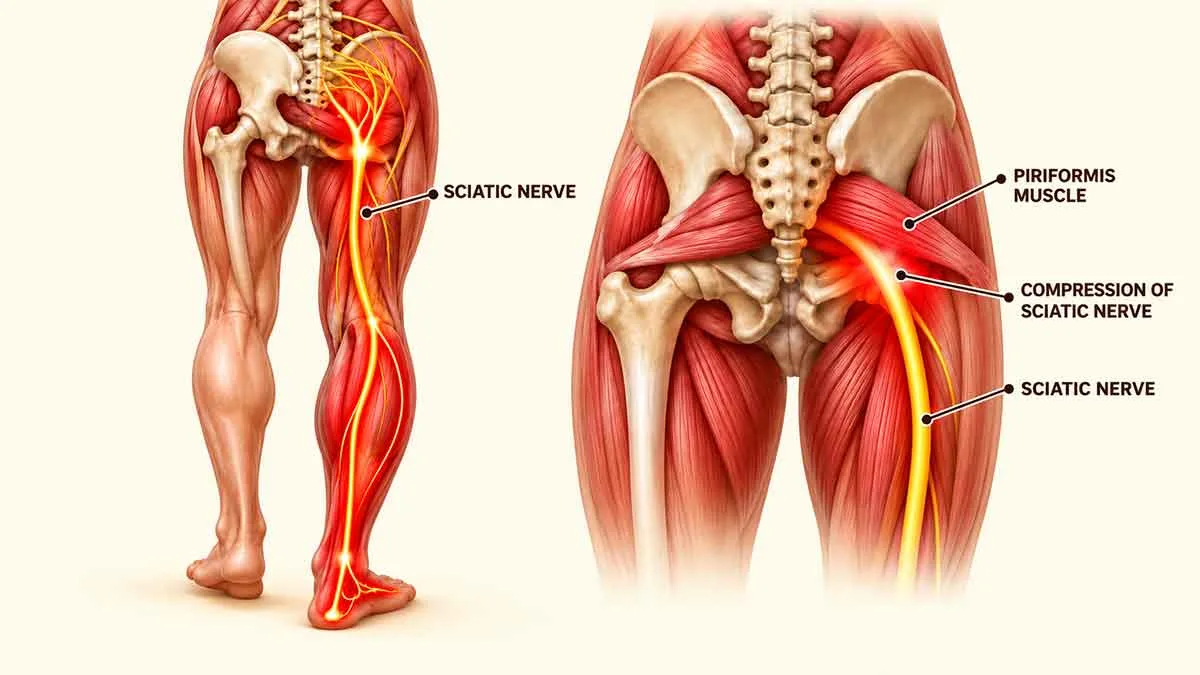
Sciatica is a medical term for the sharp, shooting pain that travels down your leg when your main nerve gets pinched. It is not a condition itself, but a painful symptom usually caused by a bone or disc problem deep up in your lower back.
Piriformis syndrome is one specific reason why you might feel that exact pain. Deep inside your buttock, there is a small muscle called the piriformis. If this muscle gets tight, spasms, or swells from too much sitting, it directly crushes the sciatic nerve running right underneath it. While typical sciatica starts from a spine problem in your back, piriformis syndrome starts from a tight muscle in your backside.
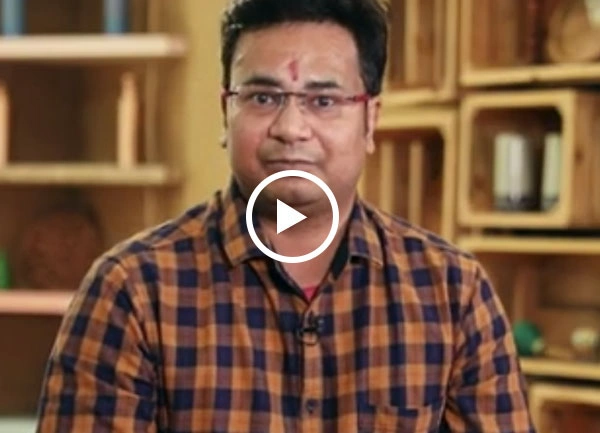
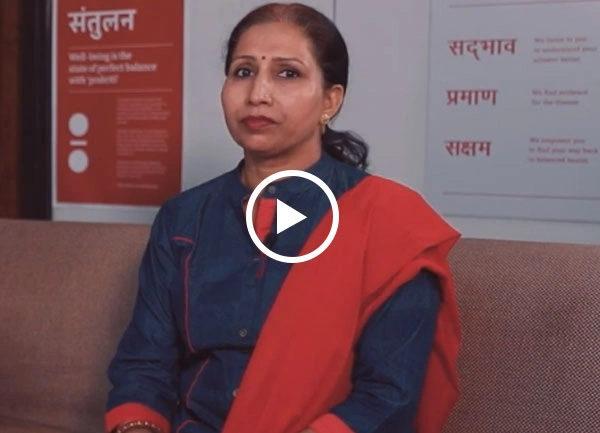
I was suffering from sciatica since 2025 and Doctors prescribed me for surgery but I believe in ayurveda and came here to consult with Dr Bhawna , she advised me 14 days panchakarma treatment. After 14 days panchakarma. I stayed here for 14 days and got 90% relief in my symptoms. I thankful to Dr Bhawna and team to cure me.
Thank you Lalita, Preeti, Naina and Tanuja who give me thefalies and personal care.
Reception staff was also very coperative.
Symptom & Pain Pattern
Sciatica Pain
Piriformis Syndrome
Where the pain starts
It begins high up, deep inside your lower back where the spine bones are tight, and then travels downward.
It begins lower down, right in the middle of your buttock cheek where the tight muscles are trapping the nerve.
How far the pain shoots
Because the nerve is pinched at the very top of its root, the pain travels the entire length of the nerve, shootng past your knee and all the way down into your calf, foot, or toes.
Because the nerve is pinched lower down in the buttock, the pain usually only travels halfway. It stays in the back of your thigh and rarely goes past your knee.
How the pain feels
It feels like a sharp electricity, burning, or a heavy pins-and-needles numbness shooting straight down your leg.
It feels like a very deep, stubborn muscle cramp or a heavy, throbbing ache right inside your hip that radiates downward.
Physical touch pattern
Massgaing or using deep pressure on your buttock cheek will not change the shooting pain, because the actual pinch is hidden higher up in your spine.
If you press your fingers deep into the middle of your buttock, it will feel extremely sore, tender, and might even trigger the pain to shoot down your leg.
Causes And Risk Factors
Piriformis syndrome happens when the small muscle deep in your buttock becomes tight and spasms, physically crushing the nerve underneath it. In Ayurveda, this happens when cold, dry Vata energy gets trapped and freezes the muscle tissues.
Here are the most common reasons why it happens:
Sitting too much: Sitting for long periods, especially on hard chairs or unpadded seats, puts your entire body weight right on top of the muscle.
Keeping things in the back pocket: Sitting with a phone or wallet in your back pockets acts like a rock digging deeply into your stomach.
Sudden exercises: Going for a long run, hiking, or climbing a lot of stairs when your body is not used to it can shock the muscle into a tight cramp.
Weak hips: If your main leg muscles are weak from a lack of daily movement. This tiny buttock muscle has to work too hard just to keep you balanced, which makes it cramp easily.
How Diagnosis Is Confirmed
To find the real problem, a doctor will simply pull your knee towards your chest, twist your leg, and press deep into your buttocks. If this instantly triggers your shooting leg pain, then the muscle is the problem. The doctor will ask for an MRI scan and X-rays to see hard bones and discs. In Ayurveda, this is diagnosed as cold, dry Vata energy getting stuck directly in our muscle. An expert does Nadi parishka, checking your pulse, and gently feels your hip for cold, tight knots to see exactly where the cramp is blocking the natural flow.
How Management Differs
Piriformis Syndrome
Managing piriformis syndrome is all about relaxing your tight muscles so it finally lets go of the trapped nerve.
Do Stretching: Do gentle hip and buttocks stretches daily to slowly untie the stubborn muscle knot.
Change how you sit: Stop sitting for long hours, especially on hard chairs. Always take your wallet or phone out of your back pocket to avoid pressing directly on the muscle like a hard rock.
Take standing breaks: Whenever your hip starts to throb, stand up and walk around for a few minutes to take your heavy weight off the nerve.
Warm Ayurvedic Oils (Snehana): Massaging thick warm sesame or castor oil directly into your buttock deeply moisturizes the dry, cramped muscle and safely calms the trapped Vata energy.
Herbal Steam (Sedana): Applying warm herbal steam tight after oil massage helps push the healing warmth deep inside and helps calm muscle tightness or stiffness.
Sciatica
Managing sciatica is all about opening up the tight space in your back to give the pinched nerve room to breathe. To find relief from sciatica, use medication and proper care; changing your posture, like frequent sitting breaks or leaning forward, is recommended for quick relief. Gentle back stretches and applying heat help to relax the muscles. In Ayurveda, warm herbal oils are applied directly to the lower back to deeply nourish the dry, tight muscles.
When Self-Diagnosis Is Unsafe
While most shooting leg pain can be safely managed with treatment and simple adjustments. but it can sometimes signal a severe medical emergency. You should stop self-treating and contact a doctor immediately if you notice any of these signs:
If you are not able to control your bladder or bowels.
If your pain gets steadily worse or does not improve after a few weeks of self-care.
If you have unexplained weight loss, fever, night sweats, or chills, as it signals a severe infection.
If you suddenly lose all feeling in your inner thigh or groin area.
If your legs become numb, you cannot lift them in front of your feet.
They share the same pain, but the pinch happens in a completely different place. True sciatica is caused by a spine issue, like a slipped disc in your lower back. Piriformis syndrome happens lower down, when a tight muscle deep in your buttock cramps and traps the sciatic nerve.
It is a small, band-like muscle located deep inside your buttocks that helps your hips and legs rotate outward. The sciatic nerve happens to run right underneath it, and in some people, directly through it.
The biggest clue is your lower back. If your lower back hurts alongside the leg pain, it is likely true spinal sciatica. If your back feels completely fine, but sitting on a hard chair makes your buttock and leg scream in pain, it is usually piriformis syndrome.
Sitting for long hours, especially on a hard surface or with a thick wallet in your back pocket, is a major cause. It can also happen if you suddenly start running or lifting without properly warming up your hips.
Yes. Because it is the exact same sciatic nerve being squeezed, both conditions will cause that familiar sharp, electric shock or shooting pain down the back of your leg.
Usually, yes. Because it is a tight muscle knot rather than a spine or disc injury, targeted hip stretches (like the "figure-four" stretch) and deep massage can release the muscle and unpinch the nerve much faster.
Both conditions trap your dry, sensitive Vata energy. However, piriformis syndrome is seen as a localized muscle knot. Vigorously massaging the hips with warm, heavy sesame or herbal oils (Abhyanga) quickly melts the cold muscle cramp and frees the trapped nerve.
Find Jiva Ayurveda Clinics for Sciatica Treatment Near You

 Published on 28 Sep, 2026
 Updated on 17 Oct, 2026