Diabetes, arthritis, skin disorders & more! Get a free consultation with Top Ayurveda doctors - +91 9266714040 | No travel, No waiting – Consult Jiva’s doctors from home via video call! | Get up to 10% OFF! On Authentic Ayurveda Products! Best Prices only on the brand store. Visit : www.store.jiva.com
Dandruff is a common problem of the scalp that occurs in the form of white and yellowish flakes along with itching and irritation. It is not a serious problem in itself, but if dandruff persists for a long time, it affects an individual’s confidence level and the health of their hair. Ayurvedic treatment of dandruff focuses on treating the underlying cause of the problem, balancing the doshas, nourishing the scalp, and promoting healthy hair.
Who Can Consider Ayurvedic Treatment for Dandruff?
Do you constantly scratch your head in public? Are you tired of white flakes falling on your dark clothes? Does your scalp feel completely dry, tight, and irritated?
At Jiva Ayurveda, doctors look at your digestion, stress levels, and overall scalp health, not just the visible flakes, before creating a personalized plan for you. You should consider an Ayurvedic consultation if you fall into these categories:
1. People with constant, severe scalp itching
If you constantly feel an intense, uncontrollable urge to scratch your scalp, even immediately after washing your hair, it indicates a deep fungal infection or severe dryness. Ayurveda helps naturally soothe the inflammation and stop the itch at its root.
2. People dealing with heavy, crusty white flakes
If you notice thick, sticky, or crusty flakes that do not go away with regular anti-dandruff shampoos, your scalp is heavily blocked. An Ayurvedic treatment plan safely melts these stubborn flakes and deeply cleanses your hair roots without using harsh chemicals.
3. People experiencing sudden, heavy hair fall with dandruff
If you are losing a lot of hair every time you comb or wash, and your scalp is covered in dandruff, the infection is directly damaging your hair follicles. Early Ayurvedic care clears the blockage and nourishes the roots to stop the hair fall.
4. People with a dry, tight, or red scalp
If your scalp constantly feels rough, tight, or visibly red and irritated, your natural oils are completely depleted. Ayurvedic therapies deeply lubricate and repair the damaged scalp tissue, restoring its natural moisture balance.
Your doctor will carefully assess your current symptoms, daily routine, and hair care habits before recommending a natural, root-cause healing plan.
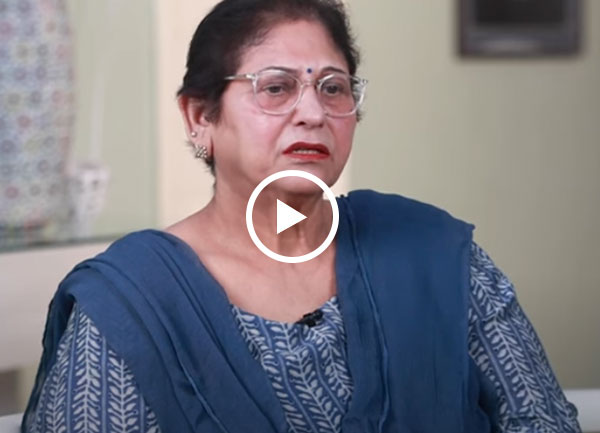
My hair was falling a lot. I had white dandruff in my hair and it used to itch a lot. It had become like a fungal infection.
I came to know about Jiva through Facebook. I went near Lajpat Nagar and met Dr. Sarika Rawat.
She gave me some medicines and advised me to apply Neem shampoo and Bhringraj oil. I took the medicines and used the oil and shampoo for 3 months, and I got a lot of relief.
My hair fall stopped and the itching also went away. I am very happy.
Thanks, Jiva Ayurveda Lajpat Nagar
Symptoms
Flaking
Flaking: The most telling sign when dandruff is present is the accumulation of white and yellow flakes on the scalp, in the hair and especially on the shoulders.
Itching
Itching: There may be some itching in the scalp, which may sometimes get worse in dry conditions.
Dry or Greasy Scalp
Dry or Greasy Scalp: Depending upon the type, the scalp can be really flaky or really oily.
Redness
Redness: In certain areas, the scalp may become red or swollen.
Sensitivity
Sensitivity: It may feel like that the affected areas are sensitive or tender.
How Dandruff Assessment Is Done At Jiva Ayurveda
At Jiva Ayurveda, the assessment focuses on identifying the root cause rather than just symptoms. The assessment includes:
Nadi Pariksha: Doctors at Jiva Ayurveda check your pulse to detect imbalance and assess organ health.
Prakriti Analysis: Every person has their unique physical and psychological pattern, so prakriti analysis helps in knowing the problem better for lasting health.
Samprapti Ghatak: The practitioners investigate the progression of dandruff by examining your dietary, lifestyle, and mental health factors.
How Does Jiva Ayurveda Help in Managing Dandruff?
In Ayurveda, dandruff is put in the category of Kshudra Rog and is most commonly identified as Darunak. It happens due to an imbalance in the internal energies of the body: Vata and Kapha Dosha. If Vata dosha is out of balance, then the scalp becomes dry and starts to flake. If Kapha dosha is out of balance, then oil develops in the scalp. There are certain other factors, such as poor digestion, stress, or a bad lifestyle.
At Jiva Ayurveda, scalp care focuses on understanding the root causes and recommending a personalised, inside-out healing plan.
Understanding Your Scalp & Daily Routine
Before recommending a treatment, the Jiva Ayurveda doctor will ask detailed questions to understand your specific condition:
How long have you been experiencing severe dandruff or constant scalp itching?
Are the flakes small, dry, and powdery, or thick, sticky, and crusty?
Does the itching increase when you sweat or step out in the hot sun?
What kind of shampoos, oils, or chemical hair products do you currently use?
What do you normally eat for breakfast, lunch, and dinner?
Do you suffer from high stress, heavy hair fall, constipation, or irregular sleep?
The doctor will also deeply assess your Prakriti (body constitution) and digestive fire (Agni). This helps create a care plan suited entirely to your specific health needs.
Ayurvedic Medicines Based on Your Health Condition
Ayurveda traditionally uses powerful cooling and anti-fungal herbs such as Neem, Bhringraj, Amla, and Triphala in dandruff-related care. However, not every herb or oil is suitable for every patient. A Jiva Ayurveda doctor will recommend specific internal medicines and external applications (like herbal oils or scalp masks) after reviewing your medical history and checking whether your dandruff is caused by severe dryness or a heavy fungal infection.
These medicines aim to soothe inflammation, repair damaged scalp tissue, and clear out the internal toxins blocking your hair roots, but they must always be taken under expert medical guidance.
A Scalp-Friendly Indian Diet
Managing dandruff requires eating foods that nourish the skin and do not create excessive heat or sticky mucus inside the body. Your doctor will recommend simple changes such as:
Including fresh, cooling, and hydrating foods to naturally moisturize a dry scalp from within.
Avoiding highly processed junk food, refined sugar, and deep-fried items that directly trigger fungal growth.
Limiting overly spicy, sour, or fermented foods (like heavy pickles and excessive curd), which increase heat and inflammation.
Eating more warm, easy-to-digest meals and drinking plenty of water to keep your digestion strong and easily flush out toxins.
Ensuring regular meal timings and avoiding eating heavy meals right before bedtime.
The right diet depends entirely on your scalp condition, stress levels, and body type.
Better Hair Care and Lifestyle Habits
Your scalp is delicate, and the wrong hair care routine can cause severe damage. Your doctor may suggest:
Avoiding strong, chemical-loaded anti-dandruff shampoos that completely strip away your scalp's natural moisture.
Washing your hair with lukewarm or room-temperature water instead of extremely hot water, which burns and dries out the roots.
Applying prescribed Ayurvedic oils with a gentle massage to lubricate dry roots but avoiding heavy, overnight oiling if you have sticky, wet dandruff.
Protecting your head from direct harsh sun, cold winter winds, and heavy dust pollution.
Practicing stress-relief techniques like meditation, as anxiety and mental exhaustion are major triggers for sudden dandruff breakouts.
Regular Doctor Follow-ups
Chronic dandruff is a stubborn condition that requires continuous, monitored care. Your doctor will regularly review your scalp health, hair fall rate, diet, and overall progress during follow-up consultations. As your internal system cleanses and your scalp heals, your personalized supportive care plan will be carefully adjusted to ensure long-lasting relief.
Looking for personalized Ayurvedic support for dandruff and hair fall?
Book a consultation with a Jiva Ayurveda doctor to discuss your symptoms, current hair care routine, and start your journey toward a clean, healthy, itch-free scalp.
Ayurvedic Therapies to Treat Dandruff
Ayurveda has certain therapies to treat dandruff that are used to address the underlying imbalances in the body that may contribute to dandruff:
Shiro Abhyanga (Oil Therapy): It is a traditional Ayurvedic oil therapy where certain herbal oils are used to massage the scalp. This therapy helps improve blood circulation in the scalp and reduces dryness and flaking caused by dandruff.
Shirodhara: It is a gentle and relaxing therapy in Ayurveda. It is a slow stream of warm oil flowing onto the center of the forehead. It helps in improving blood flow and strength in the hair root, and also helps in growing new hair.
Shiro Lepa: It involves the application of medicated herbal pastes directly to the scalp. It helps in te soothing the scalp and reducing the itching caused by dandruff.
Virechana: It is a detoxification process in Ayurveda that involves balancing doshas and removing toxins from the body.
Swedana: It is a herbal steam therapy that involves the application of herbal steam to the scalp, which can help open the pores, improve circulation, and promote a healthy scalp.
Your Scalp Care Journey at Jiva Ayurveda
Step 1: Speak to a Jiva Ayurveda Doctor
Book a clinic or video consultation by calling +91 9266714040, depending on availability and your medical needs. Tell the doctor about your dandruff history, symptoms, and current treatment.
Step 2: Share Your Medical Reports
Share all the medical reports of your condition. Also share the names of the medicines you are taking.
Step 3: Get a Personalised Care Plan
Your doctor may suggest suitable Ayurvedic support, dietary changes, exercise, and lifestyle recommendations according to your health condition.
Step 4: Follow the Plan and Monitor Your Sugar
Follow the recommended routine and keep a simple record of your progress to discuss during the next consultation.
Step 5: Review Your Progress
During follow-ups, your doctor can review your reports, discuss any difficulties, and make suitable changes to your supportive care plan.
Dandruff management is a long-term process, and regular monitoring remains important.
What Improvements Can You Work Towards During Dandruff Management?
Dandruff treatment is not just about removing the flakes for a few days. Long-term management also focuses on treating the issues from the root so that it never recurs again:
Less Flaking: As Ayurvedic herbs or oils gently remove the fungal buildup and dead skin cells, you will see a visible drop in those embarrassing white flakes falling on your shoulders and dark clothes.
Reduced Itching: Healing herbal oils deeply penetrate your roots to instantly soothe severe dryness and inflammation on the scalp. Ayurvedic care helps calm the constant itching caused by dandruff.
Less Hair Fall: Severe dandruff damages your hair follicles and blocks healthy growth. By clearing this heavy scalp blockage and rousing the roots, your hair becomes much stronger, naturally reducing daily hair fall.
Reduces redness & Sensitivity: Due to itching, certain areas of the scalp may become red or swollen, which may feel like the affected areas are sensitive or tender. Gentle Ayurvedic therapies help reduce the redness and sensitivity on the scalp.
Better Hair Texture: When there is no dandruff on the scalp, the roots are naturally strong, which gives better hair texture and nourishment to the hair.
Which Tests and Reports Should You Bring for Dandruff Consultation?
The doctors generally don't ask you for any type of imaging or blood test. They may do some of the following tests to know if it is really dandruff or something else:
Dermatoscopy
It is a quick, painless skin check. Your doctor uses a special handheld magnifying tool with a bright light to look deep into your moles and spots. Thi help them easily spot hidde sign sof skin.
Fungal Testing
A fungal test is generally not needed, but in extreme cases, to know what is really causing the shiny flakes off your shoulder, a sample is taken, and then it is tested in the laboratory.
Visual Inspection
A deep visual analysis of the scalp is done by the doctor to check the symptoms of dandruff or other possible diseases.
You do not need to get every test done before consulting a doctor. Your healthcare professional will recommend investigations according to your symptoms and examination.
How To Manage Dandruff In Daily Life?
Following small changes to your everyday activities can help reduce dandruff and give you a clean scalp:
Wash Regularly: The biggest mistake that people make is not washing their hair regularly. Your hair gets dirty because of daily environmental exposure. Wash your hair twice a week to ensure your scalp remains clean.
Gentle Massage the Scalp: Another important thing is never to massage your scalp aggressively. When you oil or wash your scalp, your roots become wet, and massaging them roughly can cause hair breakage.
Do Oiling Properly: People usually skip this step. Oiling is very important for your scalp; if it is not done properly, it can make the scalp dry, which can cause dandruff. Always oil your hair before washing it.
Minimize Heat Styling Products: Completely avoid or minimize the use of heat styling products, as they directly affect your scalp and hair, which causes more hair breakage and dandruff.
Red Flags To Watch Out For
You need to seek a doctor’s care if you experience the following red flags:
If you experience severe itching and redness in the scalp.
If you have excessive hair fall.
If you find thick, yellow, and greasy scales on your scalp.
If you notice your dandruff keeps on coming back despite proper home care.
If over-the-counter options don't work.
Estimated Cost of Treatment for Dandruff at Jiva Ayurveda
Knowing how much your treatment will cost is important. At Jiva Ayurveda, we keep our pricing clear and upfront so you can choose the right plan for your health according to your needs.
Treatment Cost
If you are looking for regular, ongoing support, the starting cost for your medicines and doctor's consultation is usually between Rs 3000 and Rs 3500/Month. Just keep in mind that this is just the baseline cost; the real cost may vary depending on the severity of the disease.
Protocol
For a deeper step-by-step approach, we offer specific healing packages that last for 3 to 4 months. You make a one-time payment ranging from Rs 15000 to Rs 40000 for the entire period.
The package includes:
All medicines and doctor visits
Hands-on physical therapy
Customised diet plans, yoga and meditation therapies
Mental well-being support sessions
Why Should You Choose Jiva Ayurveda?
Jiva Ayurveda provides customised and root-based Ayurvedic treatment that is primarily focused on providing health and wellness solutions for specific patients.
Patient-specific treatment: Jiva’s therapies and treatments are structured by professional doctors according to each patient’s unique prakriti, diet, and lifestyle.
Root-based treatment: Jiva focuses on the specific root cause of the health condition or disease rather than focusing only on medicines, with an emphasis on addressing underlying factors.
Authentic Ayurvedic medicines: Jiva provides authentic Ayurvedic medicines; we follow strict quality parameters to ensure safety and effectiveness.
Protocol-based analysis: We follow research-backed clinical methods to provide structured assistance to our patients.
Assist 8000+ patients every day: Jiva's doctors are specialised in a wide range of Ayurvedic healthcare, and every single day, we assist more than 8000 people.
While it can be managed effectively with consistent care and lifestyle changes, factors like genetics and environmental triggers may cause it to reoccur.
Foods high in sugar, processed foods, and dairy can sometimes exacerbate dandruff. A balanced diet rich in vitamins and minerals is advisable.
Yes, severe dandruff can weaken hair follicles, leading to hair fall over time.
No, dandruff is not contagious and cannot be spread from person to person.
Stress can worsen dandruff by triggering or aggravating scalp conditions due to hormonal changes and weakened immunity.
Persistent dandruff can contribute to conditions like seborrheic dermatitis or even eczema on the scalp.
No, oiling with the right type of oils (like Neem or Coconut) can actually help in managing dandruff by keeping the scalp moisturized.
Washing hair 2-3 times a week with a mild herbal shampoo is recommended to keep the scalp clean and flake-free.
Maintaining a balanced diet, managing stress, keeping the scalp clean, and using gentle hair care products can significantly help in controlling dandruff.
Find Jiva Ayurveda Clinics for Dandruff Treatment Near You

 Published on 01 Jan, 1970
 Updated on 30 Oct, 2026