Diabetes, arthritis, skin disorders & more! Get a free consultation with Top Ayurveda doctors - +91 9266714040 | No travel, No waiting – Consult Jiva’s doctors from home via video call! | Get up to 10% OFF! On Authentic Ayurveda Products! Best Prices only on the brand store. Visit : www.store.jiva.com
Recognizing a flare early is the best way to stop it from taking over. A flare simply means that your psoriasis has suddenly woken up. You ight notice your skin might feel unusually tight, hot, or much itchier than normal. Spots that were finally fading can quickly turn bright red and start building thick, dry scales all over again. You might even start seeing new dots popping up on skin that was totally clear just yesterday. Paying close attention to these everyday changes is huge. Catching this angry shift right away means you immediately step up your treatment and heavy moisturizers before things get out of control.
Check For Recent Triggers
A sudden psoriasis flare-up does not usually happen for no reason; it is almost always linked to a specific recent event that unexpectedly triggered your immune system.
High stress: A difficult week at work, a lack of sleep, or a tough emotional event can flood your body with stress hormones and quickly trigger skin inflammation.
Physical skin injuries: Getting a bad sunburn, a deep scrape, a new tattoo, or even a simple bug bite can cause thick new patches to form exactly where the skin was damaged.
Recent illness: Catching a common cold, an ear infection, or strep throat forces your immune system into overdrive, which often causes your skin to violently flare a few weeks later.
Harsh weather changes: A sudden drop in outside temperature or constantly running dry indoor heating quickly strips natural, protective moisture away from the skin barrier.
New medications: Starting certain new prescription pills such as specific blood pressure medicines or lithium can unexpectedly cause your skin to worsen.
Lifestyle shifts: A recent increase in smoking or drinking significantly more alcohol than usual heavily drives up your internal body inflammation.
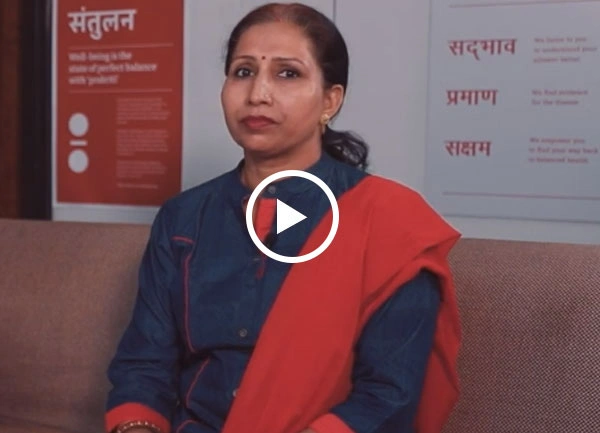
My name is Sonika…I m struggling with Psoriasis last 8-9 month. Someone tell me about jiva ayurveda..In jiva ayurveda I met dr. Jayshree mam.she is so humble to everyone ..I was very worried about this disease but thanks to Dr. Jayshree she helped me to recover this.A big thanks to her❤️
My Name is Murari kumar Sahni
I have been struggling with Psoriasis for several years, dealing with constant itching, redness, and silver scales that affected my confidence. After trying various treatments with little success, I finally found significant relief at Jiva Ayurveda.
The approach to my condition was very professional and empathetic. Sikander took the time to explain the root cause and provided a personalized treatment plan. Within a few months, I noticed a visible reduction in inflammation and the frequency of flare-ups has decreased remarkably.
Thanks Jiva ayurveda.
I am taking treatment from jiva ayurveda for Psoriasis and now I am in better condition
Improvement in my patches
Good experience with Jiva
And best ayurvedic treatment
Patient Success Stories
Continue Prescribed Treatment As Directed
The most important step for managing or treating your condition is to continue your prescribed treatment as directed by your doctor. People usually stop taking medicines after their skin clears up, but doing this can lead to symptoms flaring up. Consistent application or dosing keeps your inflammation or itching controlled. For better results, note your progress, how your skin looks, and any side effects you notice. Do not just adjust your dose or skip them without consulting your doctor.
Moisturising And Bathing
A good bathing and moisturizing routine can help to calm inflammation, redness, and sudden flare-ups. Here are some rules you have to keep in mind while doing both:
Water temperature: Use warm water, not hot, or you risk skin irritation or inflammation.
Wash gently: Do not use loofahs, gloves, brushes, or sponges. Rub with your hands or soft cloths.
Don’t use harsh soaps or products: Avoid using body soaps, body shower gels, or harsh detergents, as they contain high amounts of chemicals.
Use moisturizer: Follow the advice of your doctor and use a good moisturizer within 3-4 minutes of bathing.
Reduce Scratching And Skin Injury
When your skin gets inflamed, you constantly get an urge to scratch, which is hard to ignore. However, scratching is the worst thing that you can do because tearing the skin can actually trigger your immune system, as it will create more psoriasis patches. To protect yourself, keep your fingernails trimmed and filed properly for less damage. Instead of digging in with your nails, try gently patting or lightly taping the itchy area. You can also press a clean, ice-cold cloth directly against the skin to quickly numb the burning sensation. Finally, keeping the rough patches heavily moisturized stops the dry, tight feeling that makes you want to scratch in the first place.
Track Body Area And Symptoms
To track psoriasis, you need to monitor where your patches appear on the body and record how the symptoms get more severe day by day:
Scalp and Ears: Check your hairline and area behind the ears for thick scales, redness, or flaking.
Elbows and knees: Keep track of the knees and elbows; this is the area where classic plaque psoriasis frequently begins.
Hands and feet: Look at your palms and soles for plaques or any pus-filled bumps.
Nails: Check your fingernails and toenails for pitting, discoloration, or nails lifting up from the nail bed.
Trunk or limbs: Look for drop-shaped spots or broad plaques on the back, chest, arms, and legs.
Joints: Look for stiffness, swelling, or pain as well, which could be a sign of psoriatic arthritis.
When To Call The Dermatologist?
See a dermatologist if you notice any of the following:
Red, inflamed areas of skin with silvery-white scaling or plaques.
Persistent itching, burning, and dry, cracked skin that may bleed.
Thick or ridged fingernails.
Pain and stiffness in joints.
Daily life made difficult by ongoing flare-ups.
Urgent Signs: Widespread Redness, Pustules, Fever, Or Illness
Some of the signs quoted are serious and need urgent medical help, and if ignored, can result in a serious infection:
Rapid Spreading: The raw, red patches suddenly grow and are very tender to touch.
Pus-filled bumps: Tiny white or yellow blisters form around the inflamed skin.
Fever or chills: You get physically sick and very ill all of a sudden, and your body temperature goes up.
Unbearable pain: The pain or soreness becomes so intense that you cannot walk or sit down comfortably, or sleep.
You can stop or prevent a psoriasis flare-up by following proper treatment and recommended medicines. You should apply thick, fragrance-free moisturizers, take lukewarm baths, and use herbal oils and lotion.
A psoriasis flare-up typically lasts anywhere from a few weeks to several months, depending on the severity of the flare and how quickly treatment begins.
Yes, covering your psoriasis at night after applying a thick moisturizer or prescribed ointment can help lock in hydration and soften scales.
Your psoriasis is suddenly itchier because an increase in skin inflammation is activating nerve pathways in your plaques.
No, an itchy psoriasis patch generally means the condition is active or flaring rather than healing.
Scratching the skin is widely considered one of the worst things you can do when you have psoriasis, as it causes physical trauma that triggers new flare-ups.
Find Jiva Ayurveda Clinics for Psoriasis Treatment Near You

 Published on 09 Oct, 2026
 Updated on 09 Oct, 2026